Paris
Paris has high-quality infrastructure, especially in transportation and digital connectivity, but faces challenges with congestion, suburban transit coverage, and housing supply.
2.12.1 M+
Population
105105 km²
Area
20,75520,755 /km²
Density
Growth Trends
70.1K
2,180,000
Working-Age Population
61.35%
80% of EU population aged 20-64 is economically active, with 75.3% employed as of 2023.
Employment Rates
Key industries include finance, energy, and technology with major corporations like BNP Paribas, TotalEnergies, and Capgemini playing significant roles.
Educational Attainment
Tertiary attainment among young adults aged 25-34 in OECD countries increased from 45% in 2019 to 48% in 2024, placing them among the top nations.
Foreign Residents
The average income for foreign residents in Paris is about 11 million yen, with 50% earning less.
Ethnic Composition
Foreign residents in Paris surpassed 2.1 million in 2019 making up about 17.9% of the region population with largest groups from Algeria, Morocco, Portugal.
Commuting
The Paris metropolitan area has extensive commuting patterns with over 8.3 million public transport passengers daily, primarily using rail from suburbs into the central city.
Migration Patterns
Paris continues to attract residents from other regions with a net inflow of people in 2024.
Average Income
54K
The average annual income in Paris is about 7.3 million yen though more than half earn less than this amount.
Transportation & Logistics Overview
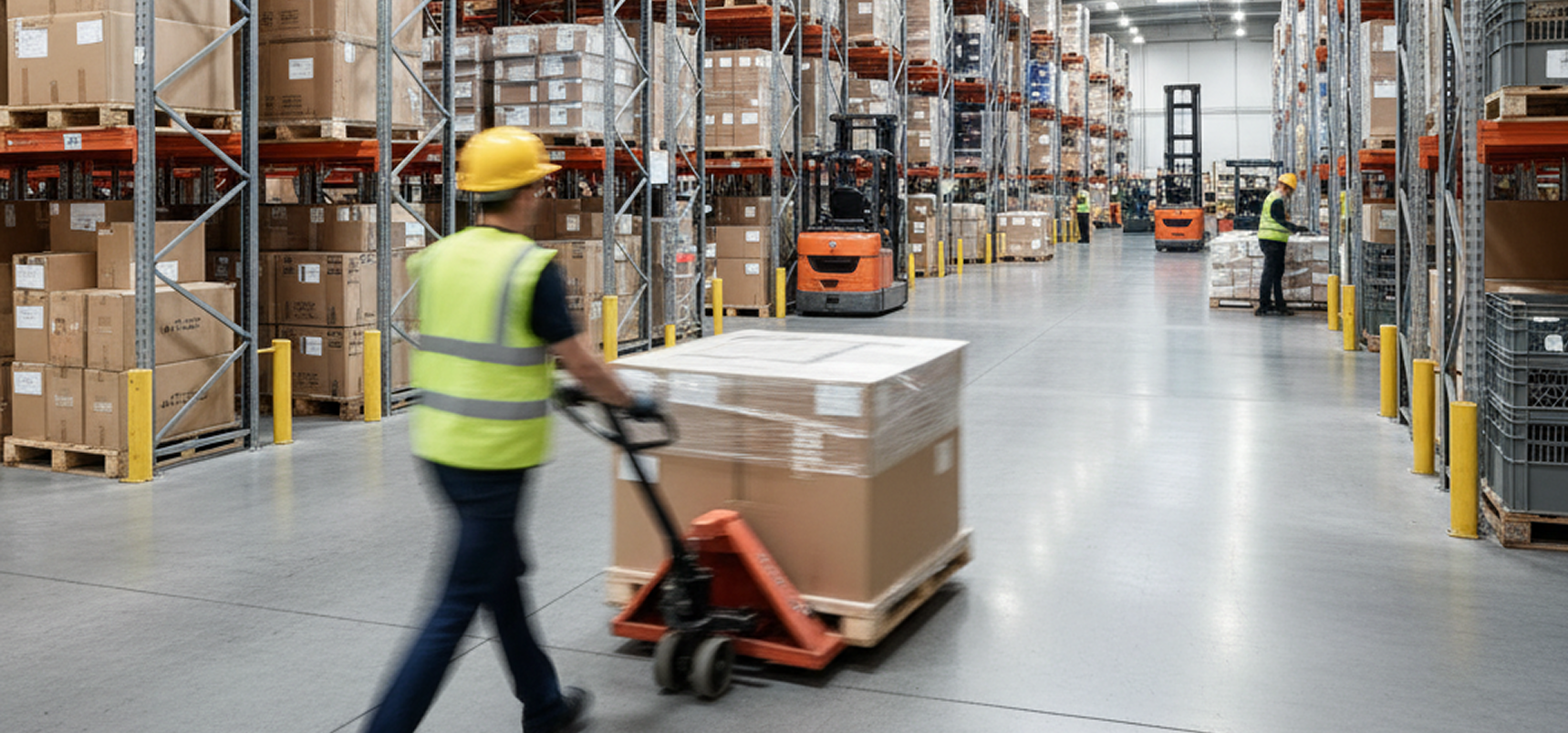
Warehousing & Fulfillment Landscape
Space and Vacancy Rates
2.2%
Lease Rates and Warehouse Classes
Warehouse lease rates in Paris are around 75 euros per square meter annually for prime properties, with these being the highest quality and best-located warehouses.
Major Warehouse Districts
The major warehouse and logistics districts in Paris include the 18th district where GEODIS operates a logistics hub, and areas like Moissy-Cramayel and Tremblay-en-France, which host significant logistics facilities.
Last-Mile Delivery Infrastructure
Paris’s last-mile delivery infrastructure features urban micro-warehouses, electric and cargo bike fleets, real-time delivery space monitoring, and ongoing experiments with autonomous vehicles and clean energy solutions to meet high e-commerce demand in dense city centers.
Automation and Technology Adoption
Paris is hosting SITL 2025, a major supply chain exhibition showcasing warehouse digitization, AI integration, and automated storage systems from April 1-3 at Paris Expo Porte de Versailles.
Cold Storage and Specialty Warehousing
Cold storage and specialty warehousing facilities in Paris provide temperature-controlled environments for preserving food, pharmaceuticals, and other sensitive products, with options ranging from chilled rooms (−5°C to 15°C) to deep freezers (down to −40°C) for various industries including food, logistics, and medicine.
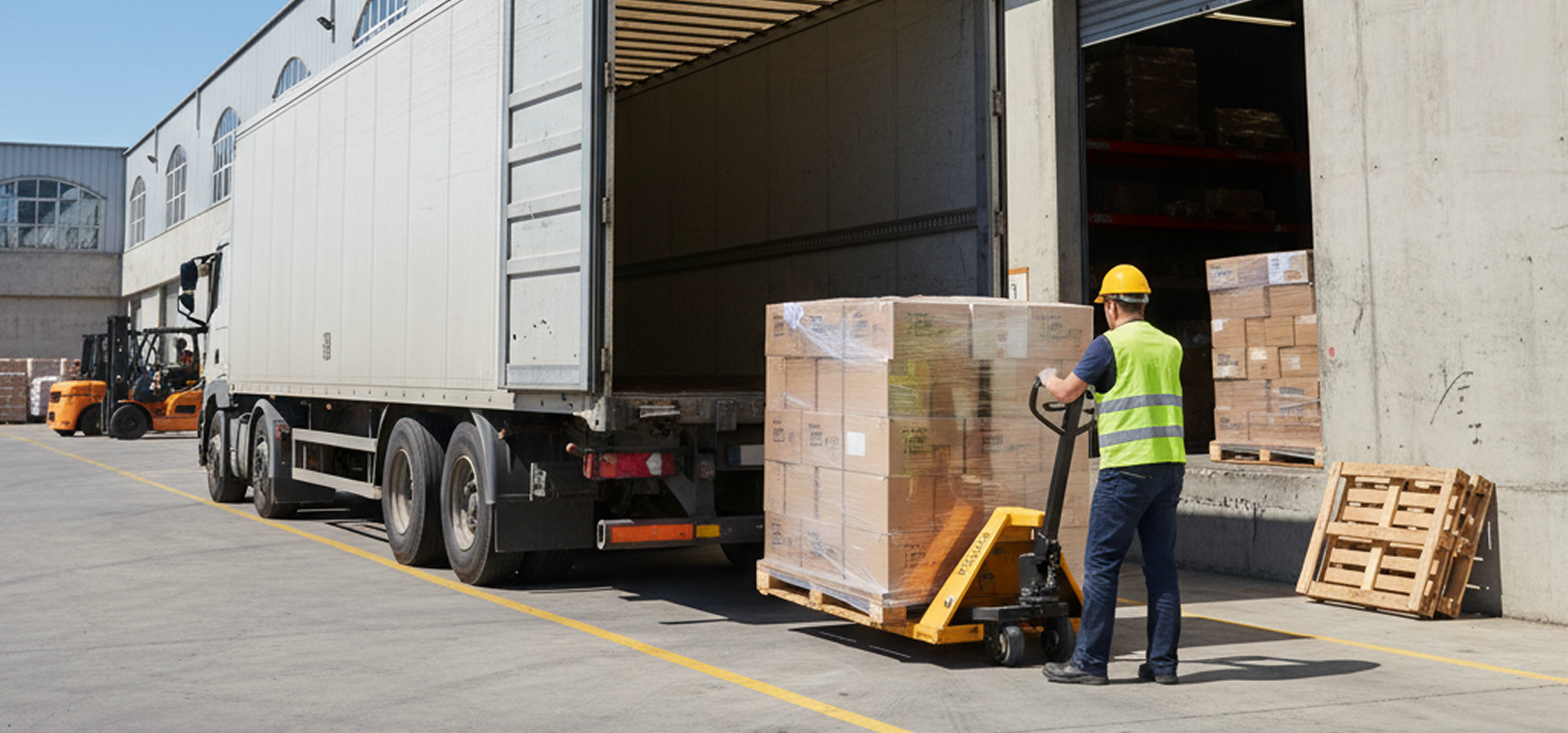
Supply Chain Analysis
Key Industries
Key industries and economic sectors in Paris include finance and banking, business services, commerce, tourism, information technology, aerospace and defense, automotive, luxury goods, cosmetics, creative industries, research and development, and eco-technology.
Major Logistics Providers
GEODIS, DHL, DB Schenker, Kuehne + Nagel, UPS, Hapag-Lloyd, GSG Transport Express, Veolog, Dimotrans Group, Traker, ShipBob, byrd, Fulfillment-Box, SEKO Logistics, Shippeo, SHIPHYPE Fulfillment, eShipper, AMZ Prep, Metis, SCALLOG, QuickBox.
Import/Export Volumes and Trading Partners
Paris, as part of France, imports around €57.7 billion monthly, mainly machinery, transport equipment, chemicals, and agri-food, with top partners Germany, China, Italy, Belgium, the US, Spain, the UK, and the Netherlands.
Supply Chain Resilience
Supply chain resilience in Paris faces risks from geopolitical and economic volatility, climate disruptions, and logistical challenges, requiring enhanced visibility and adaptability to mitigate these factors.
Local Manufacturing Capabilities
Paris has a diverse manufacturing base focused on luxury craftsmanship (fashion, jewelry, design), graphic design and printing, and advanced machinery for aerospace, automotive, and industrial sectors, supported by specialized facilities and a tradition of innovation.
Industry Clusters
Finance and insurance, digital content and services, health and life sciences, automotive, energy, and complex systems (IT, software, infrastructure).
Competitive Advantages
Paris offers a strategic geographic location, state-of-the-art multimodal infrastructure, extensive logistics real estate at competitive costs, strong connectivity to global markets, and a large, innovative consumer base.
Infrastructure Assessment
Detailed evaluation of Paris's infrastructure quality, investment projects, utility systems, and environmental considerations for strategic planning.
Quality and Capacity
Paris has strong metro and cycling infrastructure with ongoing Grand Paris Express expansion, but faces challenges with EV charging infrastructure and noise pollution from traffic congestion.
Planned Investments
Paris is witnessing significant infrastructure investments, including the Grand Paris Express, a €35-40 billion metro expansion project, and major data center investments, such as the establishment of Europe's largest AI campus and substantial investments by Brookfield and Digital Realty.
Utilities Reliability and Costs
Paris relies on a modernized underground electricity network, extensive water and sewage systems, and widespread high-speed internet infrastructure, all managed by specialized public and private operators.
Environmental Factors
Environmental factors affecting logistics in Paris include air pollution from vehicles, particularly diesel-fueled ones, and initiatives to promote electric vehicles and sustainable delivery methods.
