Qingdao
Qingdao has modern, high-quality infrastructure with extensive recent upgrades in transportation, digital systems, and urban development.
6.26.2 M+
Population
1,1021,102 km²
Area
673673 /km²
Density
Growth Trends
113,370
The projected net population growth in Qingdao for 2024 is 70,000.
Working-Age Population
69.7%
67% of the population in Emerging Asia, India, Latin America, the Caribbean, and the Middle East and North Africa is of working age today.
Employment Rates
Key industries include electronics, petrochemicals, and shipbuilding, with major corporations like Haier, Hisense, and Qingdao Port Group playing significant roles.
Educational Attainment
Tertiary attainment among young adults aged 25-34 in Japan increased from 62% in 2019 to 66% in 2024, placing it among top OECD nations.
Foreign Residents
The average income for foreign residents in Qingdao is about 1.7 million yen, with 50% earning less.
Ethnic Composition
Foreign residents in Qingdao surpassed 0.09 million in 2024, making up about 0.9% of the city population, with largest groups from South Korea, Japan, and Germany.
Commuting
Over 15 percent of Qingdao commuters—hundreds of thousands daily—travel more than 60 minutes, primarily by rail, from suburban districts to the city center for work.
Migration Patterns
Qingdao continues to attract residents from other regions with a net inflow of 113,370 people in 2024.
Average Income
$36.8K
The average annual income in Qingdao is about 260,000 yen, though more than half earn less than this amount.
Transportation & Logistics Overview
Warehousing & Fulfillment Landscape
Space and Vacancy Rates
17.3
Lease Rates and Warehouse Classes
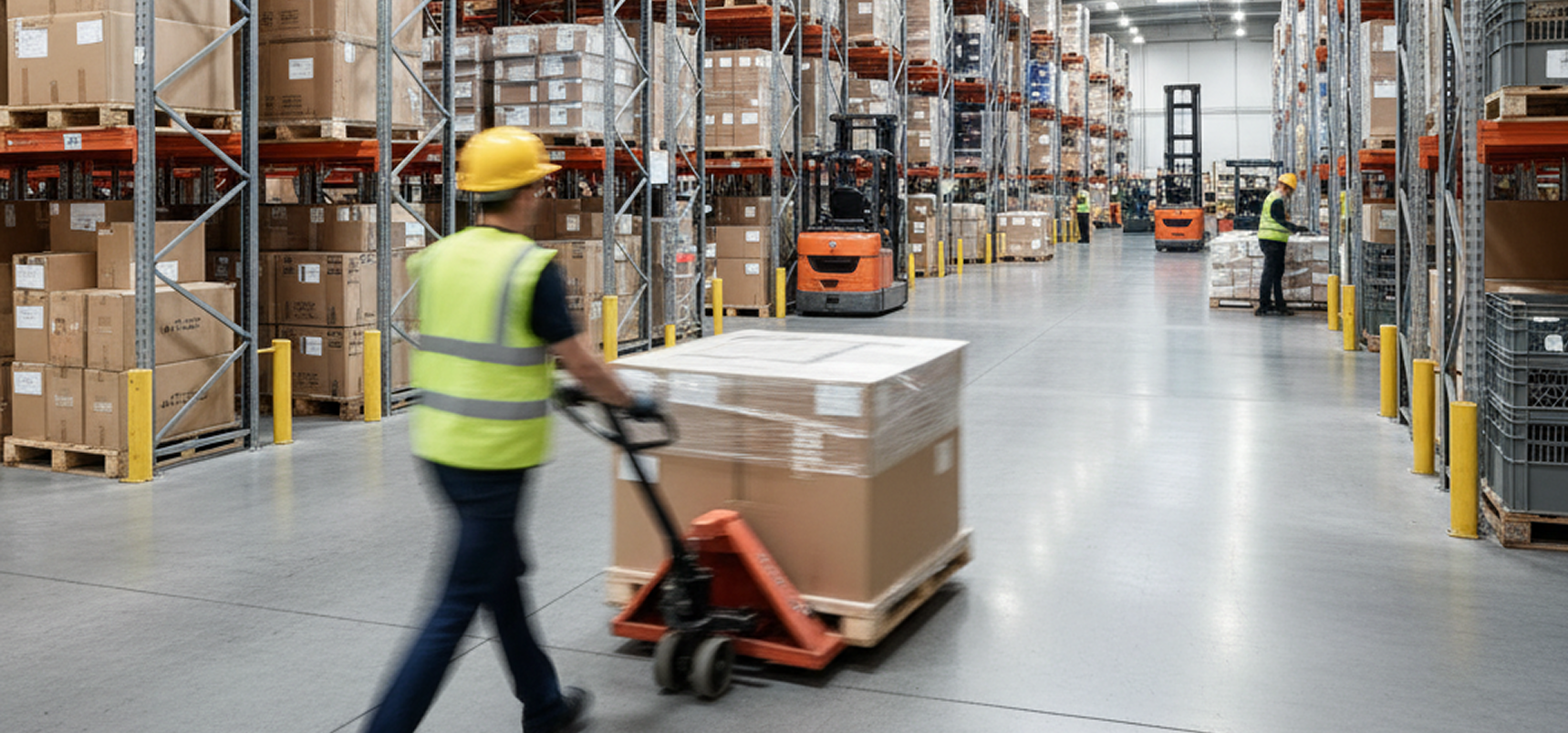
Warehouse lease rates in Qingdao typically range from ¥11–27 per square meter per month, with modern Class A facilities concentrated near key logistics hubs.
Major Warehouse Districts
Qingdao Bonded Logistics Park (Qianwan Free Trade Port), Qingdao Free Trade Zone, Huangdao District (including Qianwangang Road area), and areas near Qingdao Port.
Last-Mile Delivery Infrastructure
Qingdao’s last-mile delivery infrastructure features advanced warehousing, automated fulfillment centers, real-time tracking, and integration with major e-commerce platforms to enable efficient, scalable, and cost-effective urban logistics.
Automation and Technology Adoption
Warehouse automation in Qingdao is rapidly advancing, with increasing adoption of robotics, AI-driven inventory management, and cloud-based warehouse management systems to boost efficiency, safety, and sustainability.
Cold Storage and Specialty Warehousing
Qingdao features large-scale cold storage and specialty warehousing facilities—including bonded, ultra-low temperature, and hazardous goods storage—serving pharmaceuticals, perishable foods, and cross-border e-commerce with advanced logistics and proximity to Qingdao Port.
Supply Chain Analysis
Key Industries
Electronics, petrochemicals, automobiles, machinery, metallurgy, building materials, biopharmaceuticals, textiles and garments, food and beverage processing, marine biomedicine, seawater desalination, finance, logistics, tourism, business services, e-commerce, energy conservation, environmental protection.
Major Logistics Providers
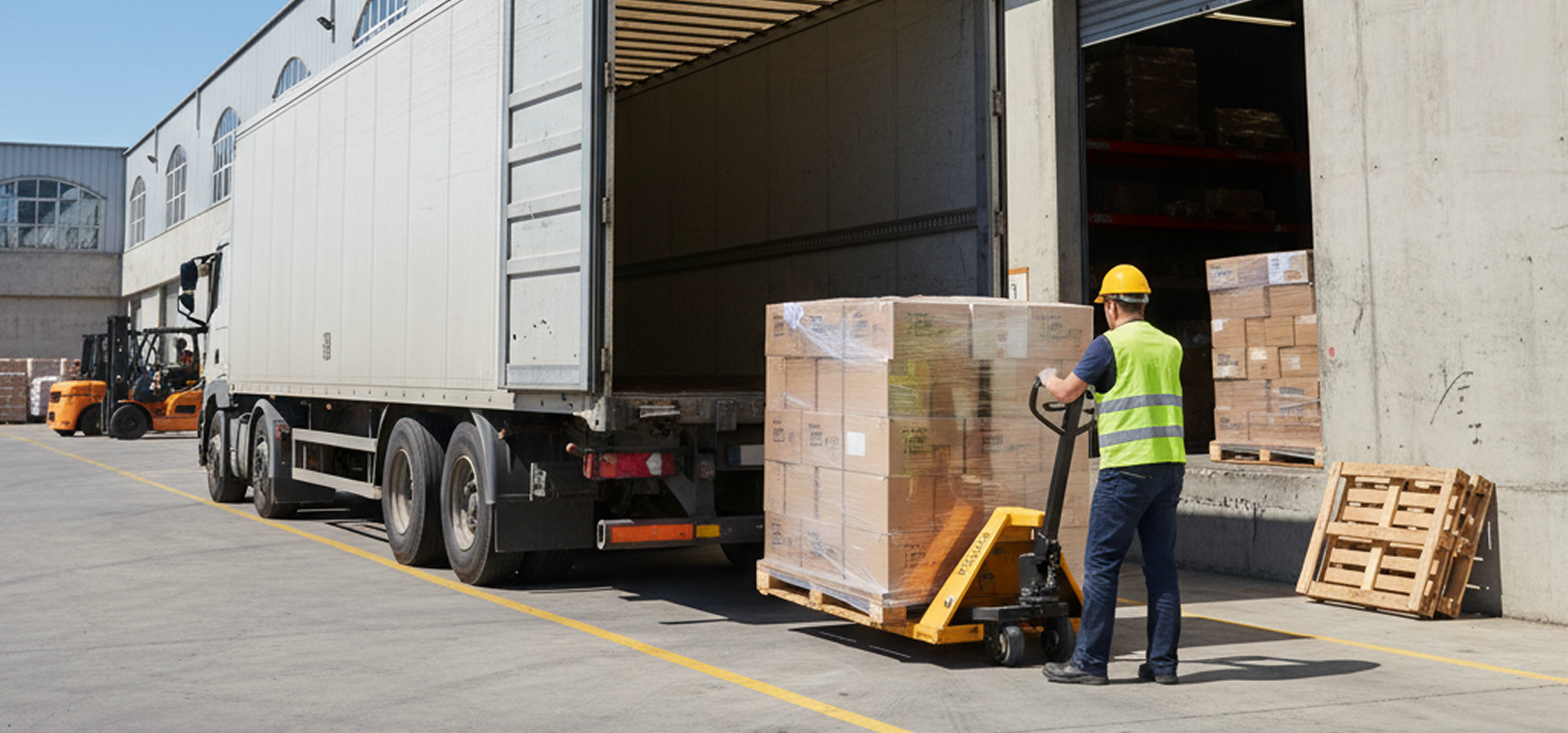
Logistics Plus, SITC Logistics, Shanghai Liyuan International Logistics, Crane Worldwide Logistics, Qingdao ETS SCM, China Master Logistics, Qingdao Port International Logistics, Qingdao Ririshun Supply Chain, Bondex Logistics, Qingdao Qianwan Container Terminal.
Import/Export Volumes and Trading Partners
Qingdao's import and export volumes are substantial, with key trading partners including the United States, Japan, South Korea, ASEAN countries, and the EU, and major exports such as vehicles, machinery, and electronics.
Supply Chain Resilience
Qingdao’s supply chain resilience in 2025 is challenged by external risks such as geopolitical tensions, shipping disruptions, cost fluctuations, and inadequate collaboration, with transportation and procurement processes being especially vulnerable.
Local Manufacturing Capabilities
Qingdao has a robust and innovative manufacturing sector with strengths in home appliances, automotive, rubber, electronics, and emerging high-tech industries, supported by advanced R&D, industrial internet platforms, and a growing focus on value-added and intelligent manufacturing.
Industry Clusters
Qingdao’s main industry clusters include modern marine, smart home appliances, rail transit equipment, automotive, finance, logistics, tourism, business services, health and aged care, new generation information technology, biomedicine, high-end equipment, energy conservation and environmental protection, cultural and creative industries, food and beverages, textiles, machinery, rubber and chemicals, and modern agriculture.
Competitive Advantages
Strategic location with sea, land, air, and rail connectivity, world-class port infrastructure, advanced digital logistics solutions, low logistics costs, and strong integration with Belt and Road and international trade routes.
Infrastructure Assessment
Detailed evaluation of Qingdao's infrastructure quality, investment projects, utility systems, and environmental considerations for strategic planning.
Quality and Capacity
Qingdao's infrastructure quality and capacity are enhanced by advanced technologies like the 3D Real Scene platform, which supports efficient urban management and development, though specific metrics on capacity are not detailed.
Planned Investments
Qingdao’s planned infrastructure investments focus on large-scale projects in transportation, manufacturing, and urban utilities, including smart manufacturing upgrades and improvements to logistics and underground infrastructure.
Utilities Reliability and Costs
Qingdao features modern utility infrastructure with reliable power (including low-carbon district energy), advanced water supply projects, and comprehensive high-speed internet coverage through all-optical fiber networks.
Environmental Factors
Key environmental factors affecting logistics in Qingdao include climate change, pollution control, energy conservation, green port initiatives, and the need for sustainable infrastructure and technology.
