Rio de Janeiro
Infrastructure quality in Rio de Janeiro is challenged by issues such as inadequate water supply, outdated infrastructure, and significant disparities in service access, while recent improvements in transportation infrastructure have enhanced mobility and accessibility.
6.76.7 M+
Population
1,1821,182 km²
Area
5,3775,377 /km²
Density
Growth Trends
N/A
The projected net population growth in Rio de Janeiro for 2024 is zero.
Working-Age Population
69.1%
67% of Emerging Asia's population is of working age.
Employment Rates
Key industries include oil and gas, tourism, and technology with major corporations like Petrobras, Shell, and Chevron playing significant roles.
Educational Attainment
Tertiary attainment among young adults aged 25-34 in OECD countries increased from 45% in 2019 to 48% in 2024 placing it among top OECD nations.
Foreign Residents
The average income for foreign residents in Rio de Janeiro is about 1.2 million yen with 50% earning less.
Ethnic Composition
Foreign residents in Rio de Janeiro surpassed 0.2 million in 2024, making up about 3% of the city population, with the largest groups from Portugal, Italy, Spain, and Argentina.
Commuting
Rio de Janeiro’s metropolitan area, home to 12 million, sees millions commute daily, with 258 km of rail lines connecting suburbs to the city center, supported by a 48 km subway system.
Migration Patterns
Migration pattern data not available
Average Income
BRL 50,400
The average annual income in Rio de Janeiro is about 5.04 million yen though more than half earn less than this amount.
Transportation & Logistics Overview
Warehousing & Fulfillment Landscape
Space and Vacancy Rates
10.2%
Lease Rates and Warehouse Classes
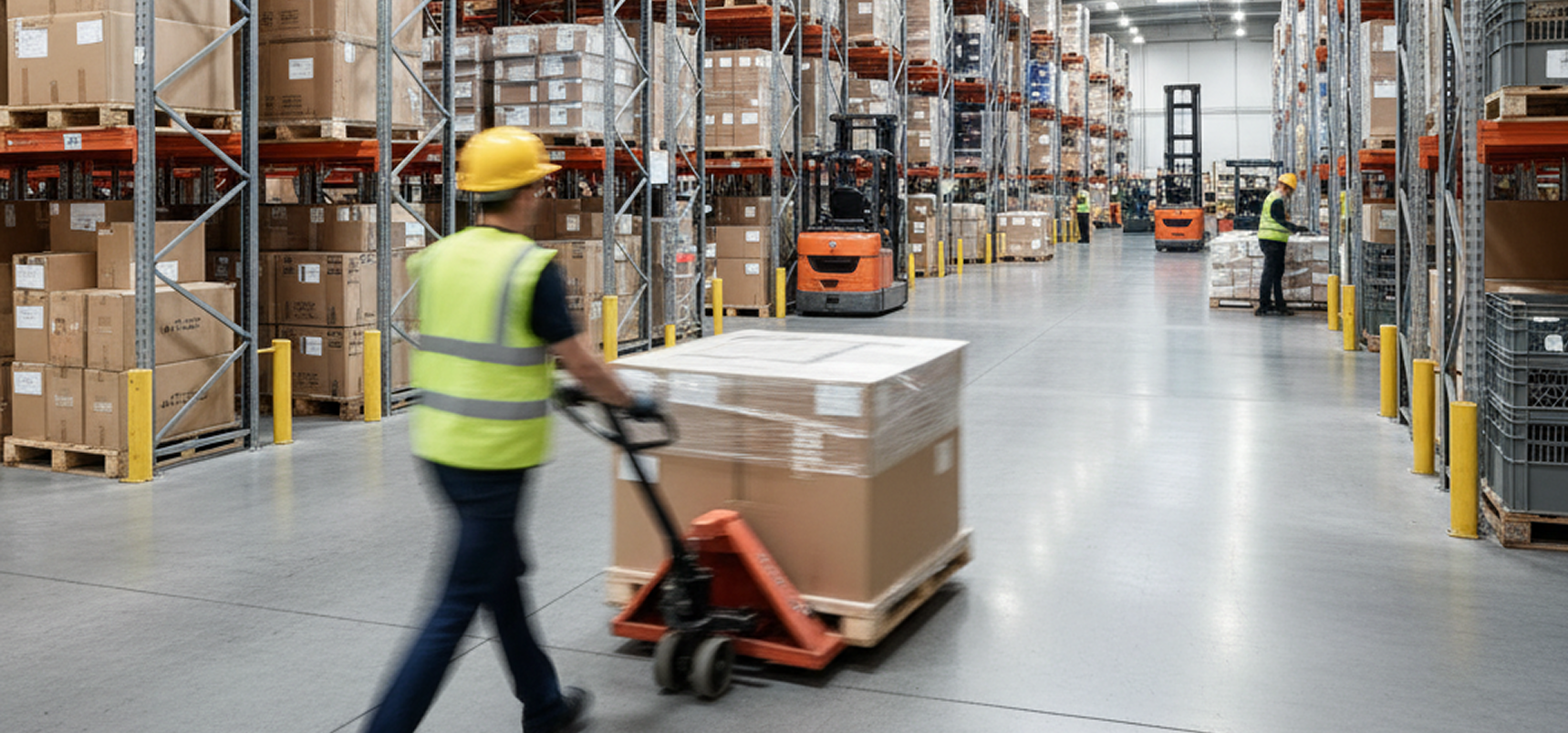
Warehouse lease rates in Rio de Janeiro are around R$21 per square meter per month, with limited availability of specific classes.
Major Warehouse Districts
Port of Rio de Janeiro, RIOgaleão Cargo (Galeão International Airport area), São João de Meriti (Prologis Dutra RJ), and areas near Santos Dumont Airport and major highways.
Last-Mile Delivery Infrastructure
Last-mile delivery infrastructure in Rio de Janeiro combines formal courier networks and informal local couriers, with specialized services like Favela Xpress and decentralized hubs enabling deliveries in both formal neighborhoods and underserved favelas through community-based knowledge and alternative address systems.
Automation and Technology Adoption
Warehouse automation in Rio de Janeiro is advancing with the adoption of technologies like AI, optical character recognition, and warehouse management systems to increase efficiency and accuracy in logistics operations.
Cold Storage and Specialty Warehousing
Emergent Cold LatAm operates a 45,000 square meter refrigerated storage facility in Duque de Caxias, Rio de Janeiro's metropolitan area, serving as a key distribution point for Brazil's food supply chain.
Supply Chain Analysis
Key Industries
Oil and gas, tourism, shipbuilding, technology, fashion, film, metallurgy, engineering, electronics, publishing, apparel and footwear, textiles, chemicals, pharmaceuticals, food and beverages, construction, finance, and services.
Major Logistics Providers
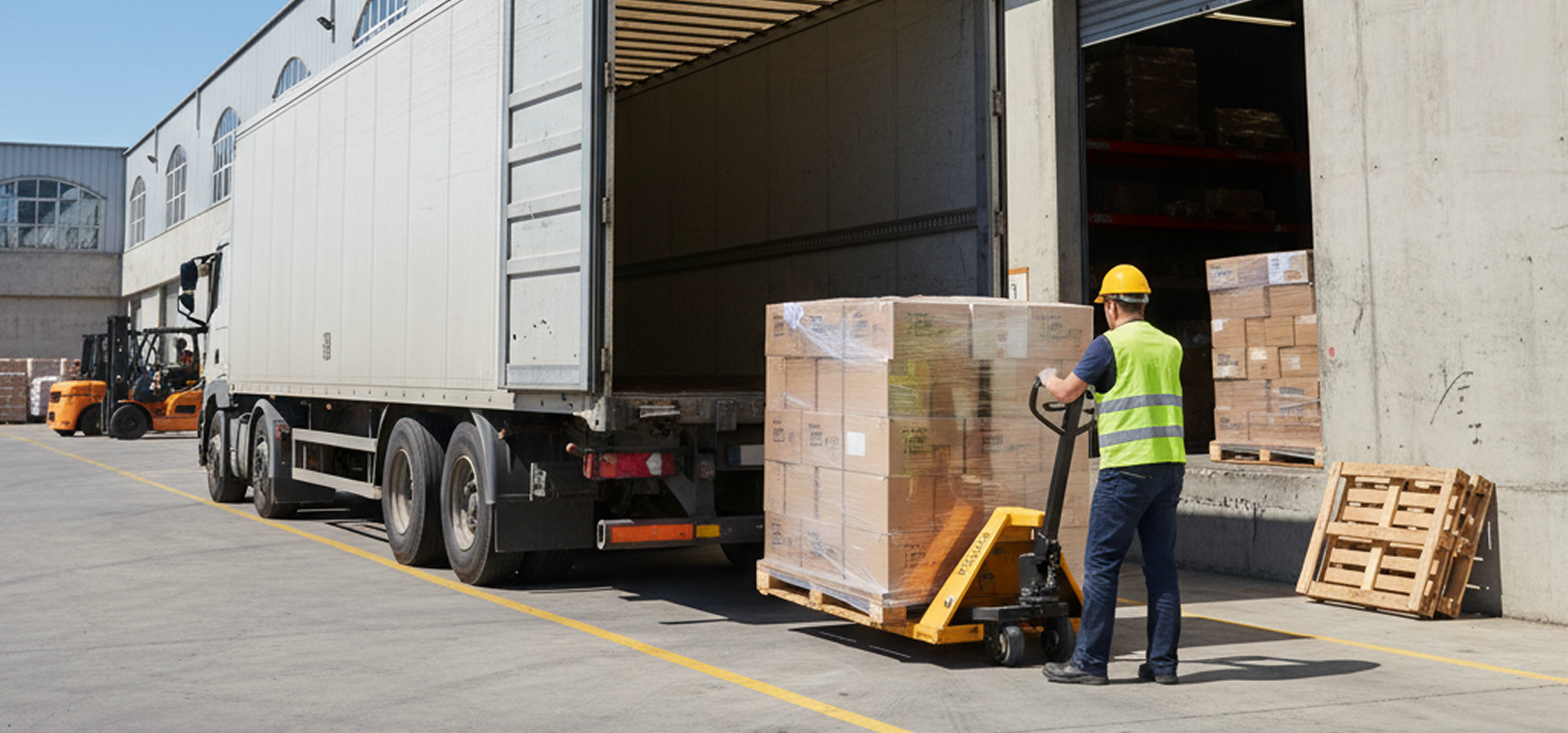
Login Logística, MRO Logística, Triunfo Logística, ICTSI Rio, Nimbi, Porto Sudeste, Guiomar Transportes, GAPSO, Inland Logística, Transportes Carvalho, Blue Logística, Crane Worldwide Logistics
Import/Export Volumes and Trading Partners
Rio de Janeiro's import/export data is not specifically detailed, but Brazil's overall trade shows a rise in exports and imports, with key trading partners including China, the United States, and Argentina.
Supply Chain Resilience
Supply chain resilience in Rio de Janeiro is generally low, with risk management practices often limited to isolated, local initiatives rather than integrated, system-wide strategies, and key resilience factors like collaboration, flexibility, visibility, and analytical orientation are underdeveloped, leaving supply chains vulnerable to disruptions.
Local Manufacturing Capabilities
Rio de Janeiro’s local manufacturing capabilities are primarily driven by the oil and gas sector, with significant activity in refineries, petrochemical plants, and offshore equipment production.
Industry Clusters
The main industry clusters in Rio de Janeiro are oil and gas, tourism, technology, shipbuilding, fashion, and film.
Competitive Advantages
Strategic Atlantic location, extensive port and logistics infrastructure, strong connectivity to major markets, and a large, diverse economy make Rio de Janeiro a key logistics and business hub.
Infrastructure Assessment
Detailed evaluation of Rio de Janeiro's infrastructure quality, investment projects, utility systems, and environmental considerations for strategic planning.
Quality and Capacity
Rio de Janeiro’s infrastructure quality and capacity are moderate, with notable strengths in cultural appeal and sustainability initiatives but ongoing challenges in transportation, energy reliability, and urban mobility.
Planned Investments
Rio de Janeiro is planning a US$5 billion subway expansion adding 44 km of new lines and 31 stations, including a tunnel beneath Guanabara Bay, as part of broader infrastructure investments focused on urban mobility, logistics, and energy.
Utilities Reliability and Costs
Rio de Janeiro has extensive power infrastructure with over 88 million consumers served by utilities like Light for electricity distribution and RioLuz for public lighting, while the search results do not provide specific information about water or internet infrastructure in the city.
Environmental Factors
Rio de Janeiro faces severe logistics challenges from traffic congestion caused by mountainous terrain restricting road construction, air pollution from vehicle emissions contributing to 5,000 annual deaths, and waste management issues with only 2% recycling rates affecting transportation routes.
