Riyadh
Riyadh’s infrastructure quality is rapidly improving through large-scale upgrades, adoption of advanced technologies, and implementation of unified regulatory standards to enhance safety, efficiency, and sustainability.
4.24.2 M+
Population
1,9731,973 km²
Area
4,3004,300 /km²
Density
Growth Trends
132,310
The projected net population growth in Riyadh for 2024 is 132,310.
Working-Age Population
73.3%
67% of the global population is of working age, with this share expected to decline in developed regions over time.
Employment Rates
Key industries include oil and gas, construction, and healthcare, with major corporations like Saudi Aramco, SABIC, and Ma'aden playing significant roles.
Educational Attainment
Tertiary attainment among young adults aged 25-34 in OECD countries increased from 45% in 2019 to 48% in 2024, placing it among the highest levels recorded.
Foreign Residents
The average income for foreign residents in Riyadh is about 4.32 million yen with 50% earning less.
Ethnic Composition
Foreign residents in Riyadh surpassed 3.66 million in 2022 making up about 52.3% of the city population.
Commuting
Riyadh Metro recorded 100 million passengers in its first nine months of operation in 2025, with millions commuting daily from suburban districts to central city areas primarily by rail.
Migration Patterns
Migration pattern data not available
Average Income
$351K
The average annual income in Riyadh is about 4.4 million yen, though more than half earn less than this amount.
Transportation & Logistics Overview
Warehousing & Fulfillment Landscape
Space and Vacancy Rates
2%
Lease Rates and Warehouse Classes
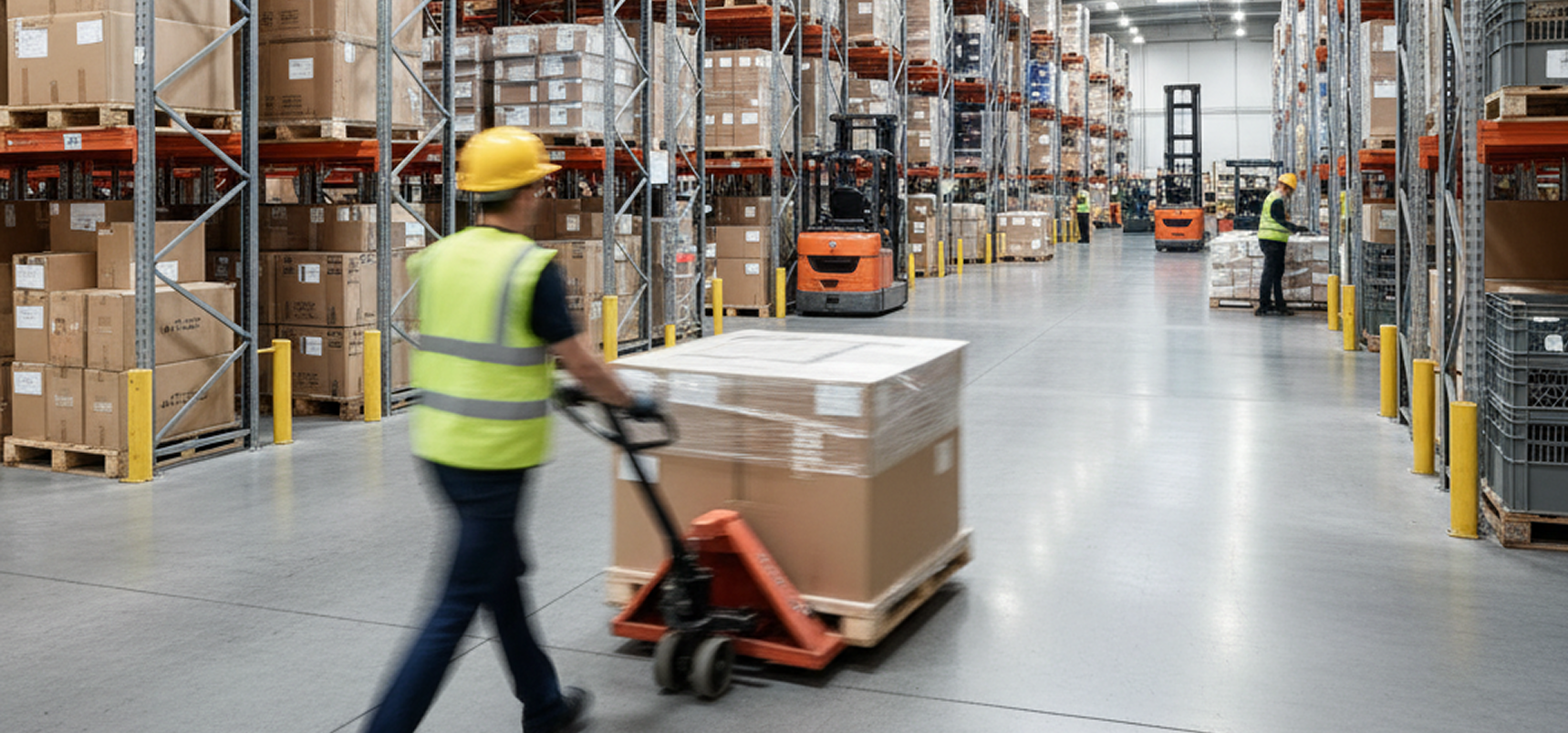
Warehouse lease rates in Riyadh typically range from SAR 35–38 per sqm per month for standard spaces, with Grade B/light industrial facilities averaging around SAR 210 per sqm per year, and warehouse classes are generally divided into Grade A (modern, high-spec), Grade B (functional, basic), and Grade C (older, minimal specification).
Major Warehouse Districts
Al Sulay, Al Faisaliyah, Al Azizyah, Mishal, SAL Logistics Zone
Last-Mile Delivery Infrastructure
Riyadh’s last-mile delivery infrastructure features advanced logistics hubs, AI-powered route optimization, electric vehicles, drone deliveries, and micro-fulfillment centers, supporting rapid e-commerce growth and same-day delivery expectations.
Automation and Technology Adoption
Warehouse automation in Riyadh is rapidly advancing with widespread adoption of technologies like automated storage and retrieval systems, robotics, AI, and warehouse management systems to improve efficiency, accuracy, and scalability in response to growing logistics and e-commerce demands.
Cold Storage and Specialty Warehousing
Riyadh’s cold storage and specialty warehousing facilities provide advanced, temperature-controlled environments for perishable goods, pharmaceuticals, and other sensitive products, featuring real-time monitoring, modern equipment, and flexible logistics solutions to meet diverse industry needs.
Supply Chain Analysis
Key Industries
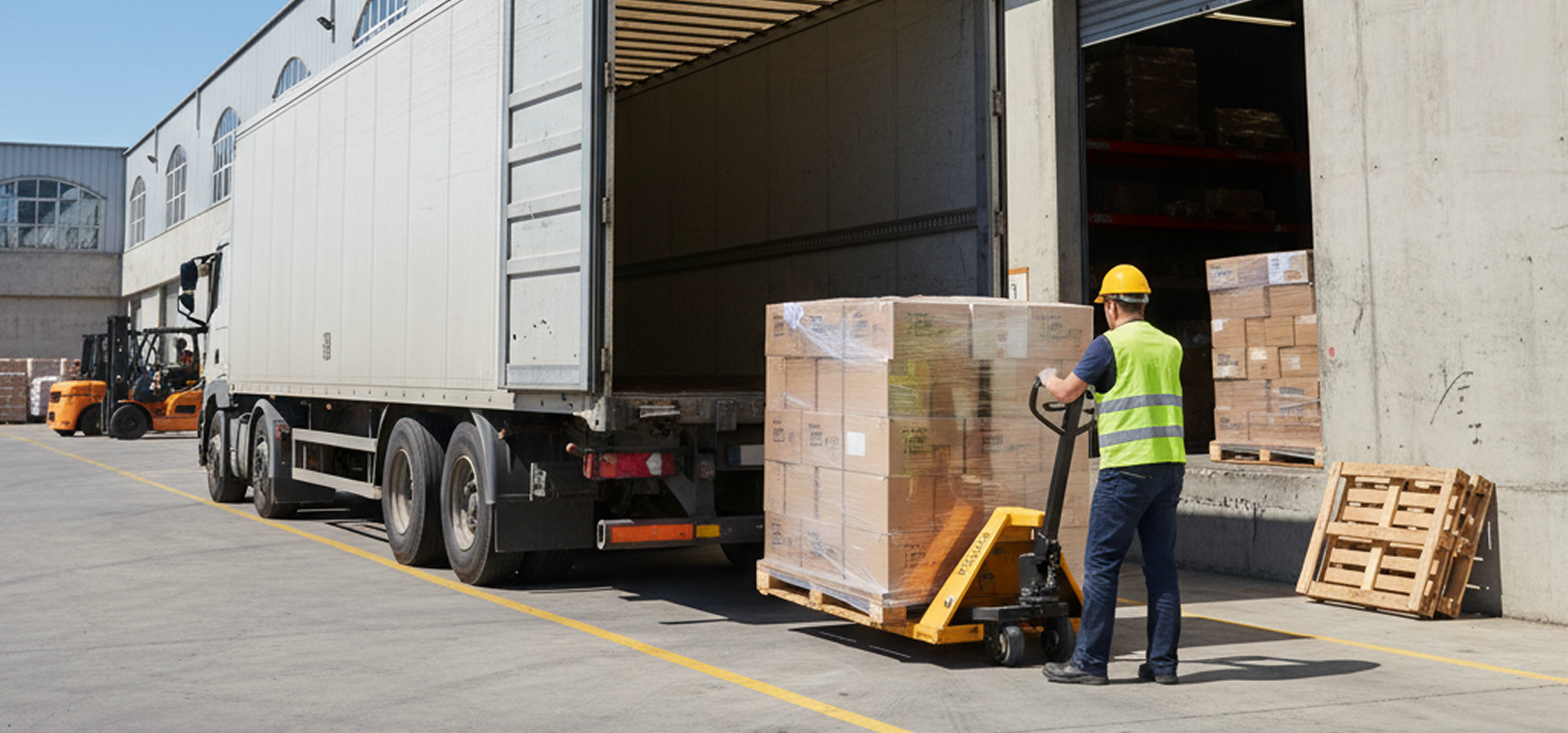
Key industries in Riyadh include metals, food and plastic products, machinery and equipment, specialized chemicals, and building materials.
Major Logistics Providers
Almajdouie, Bahri, Binzagr Company, SMSA Express, Wared Logistics, Agility Logistics, DHL Express, Aramex, Naqel Express, Zajil Express, Kudu Logistics, Al Futtaim, AJEX Logistics Services, BARQ Fleet, Takhzeen Logistics, Tamer Logistics, United Warehouse Company, Xenel, Shahini Group, Logexa, SHIPHYPE Fulfillment, eShipper, AMZ Prep, Sign logistics, Five Programmers, Zid, LogesTechs, Sary.
Import/Export Volumes and Trading Partners
Riyadh’s import and export volumes are driven by Saudi Arabia’s trade, with total exports exceeding SAR 285 billion and imports over SAR 222 billion in Q1 2025; key trading partners include China, India, the United States, the United Arab Emirates, Germany, and Japan.
Supply Chain Resilience
Supply chain resilience in Riyadh is crucial due to its strategic position in Saudi Arabia's Vision 2030, but it faces challenges like geopolitical instability, natural disasters, and third-party failures that can disrupt operations.
Local Manufacturing Capabilities
Riyadh is a leading regional hub for advanced manufacturing, with major capabilities in pharmaceuticals, energy equipment, chemicals, and technology-driven industries, supported by significant investment, global partnerships, and a focus on innovation and sustainability.
Industry Clusters
Riyadh’s main industry clusters include automotive, construction, metals processing, packaging, consumer goods, pharmaceuticals, biotechnology, energy, renewable energy, and food industries.
Competitive Advantages
Strategic location, world-class infrastructure, fast-track licensing, full foreign ownership, advanced logistics zones, VAT advantages, rapid customs digitization, strong government incentives, integrated smart mobility, ambitious Vision 2030 growth targets, and a rapidly expanding corporate and retail sector.
Infrastructure Assessment
Detailed evaluation of Riyadh's infrastructure quality, investment projects, utility systems, and environmental considerations for strategic planning.
Quality and Capacity
Riyadh’s infrastructure quality and capacity are undergoing a major upgrade with record investment, unified standards, and comprehensive planning to address rapid urban growth, though challenges like water accumulation and road depressions persist.
Planned Investments
Riyadh is investing approximately $12.2 billion in current infrastructure contracts with an additional $18 billion in pipeline projects and plans to award $170 billion more, including the world's largest passenger terminal and extensive metro network expansion.
Utilities Reliability and Costs
Riyadh has modern and expanding utility infrastructure, with ongoing investments in power, water, and internet services to support rapid urban growth and improve service quality.
Environmental Factors
Key environmental factors affecting logistics in Riyadh include high carbon emissions from traditional transport, reliance on fossil fuels, inefficient route planning, and increasing pressure for sustainable practices such as electric vehicles, optimized logistics software, and eco-friendly warehousing.
