Saint Petersburg
Infrastructure quality in Saint Petersburg is characterized by significant deterioration and frequent failures in municipal and utility systems, with transport infrastructure showing limited improvement and ongoing challenges.
5.65.6 M+
Population
606606 km²
Area
3,4943,494 /km²
Density
Growth Trends
48K
The projected net population growth in Saint Petersburg for 2024 is 48,000.
Working-Age Population
59.2%
67% of the population in Emerging Asia, India, Latin America, and the Middle East and North Africa is of working age.
Employment Rates
Key industries include technology, manufacturing, and finance, with major corporations like ODK-Klimov, Rostelecom, and Sberbank playing significant roles.
Educational Attainment
Tertiary attainment among young adults aged 25-34 in OECD countries increased from 45% in 2019 to 48% in 2024, placing them among top nations globally.
Foreign Residents
The average income for foreign residents in Saint Petersburg is about 2.44 million yen with 50% earning less.
Ethnic Composition
Foreign residents in Saint Petersburg surpassed 0.84 million in 2024, making up about 15% of the city population, with largest groups from China, India, and neighboring CIS countries.
Commuting
Over 6.4 million people live in the Saint Petersburg metropolitan area, with millions commuting daily—primarily by rail—from suburban districts into the central city for work.
Migration Patterns
48,000
Average Income
16.3K
The average annual income in Saint Petersburg is about 1,464,200 RUB.
Transportation & Logistics Overview
Warehousing & Fulfillment Landscape
Space and Vacancy Rates
4.2%
Lease Rates and Warehouse Classes
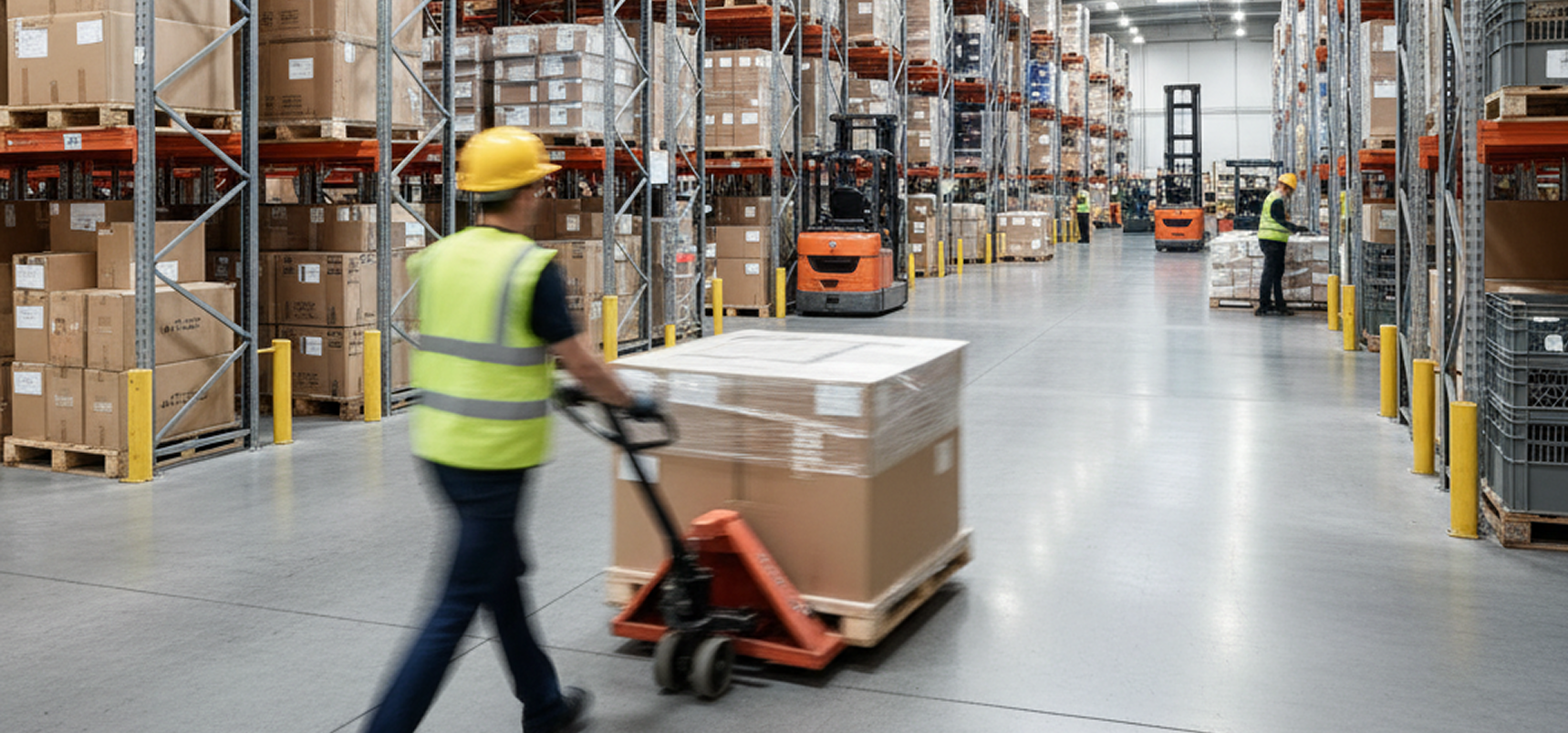
Warehouse lease rates in Saint Petersburg typically range from $10.95 to $29.00 per square foot per year, with an average around $18–19 per square foot, and properties are available in a variety of classes and sizes from small flex spaces to large industrial facilities.
Major Warehouse Districts
Utkina Zavod, Osinovaya Roshcha Logopark
Last-Mile Delivery Infrastructure
Saint Petersburg’s last-mile delivery infrastructure features major logistics hubs, advanced road and port networks, automated parcel lockers, and investments in route optimization and warehouse automation to support fast, efficient e-commerce and express deliveries.
Automation and Technology Adoption
Warehouse automation in Saint Petersburg features advanced technologies such as automated storage, robotics, and warehouse management systems, exemplified by facilities like Valpak’s high-tech production and distribution center that leverages automation to boost efficiency and minimize manual labor.
Cold Storage and Specialty Warehousing
Cold storage and specialty warehousing facilities in Saint Petersburg offer temperature-controlled storage solutions for perishable goods, including refrigerated containers and climate-controlled units for commercial and seasonal needs.
Supply Chain Analysis
Key Industries
Trade, transportation, defense industry, manufacturing, tourism, financial services, medical technology, information technology, and marine sciences.
Major Logistics Providers
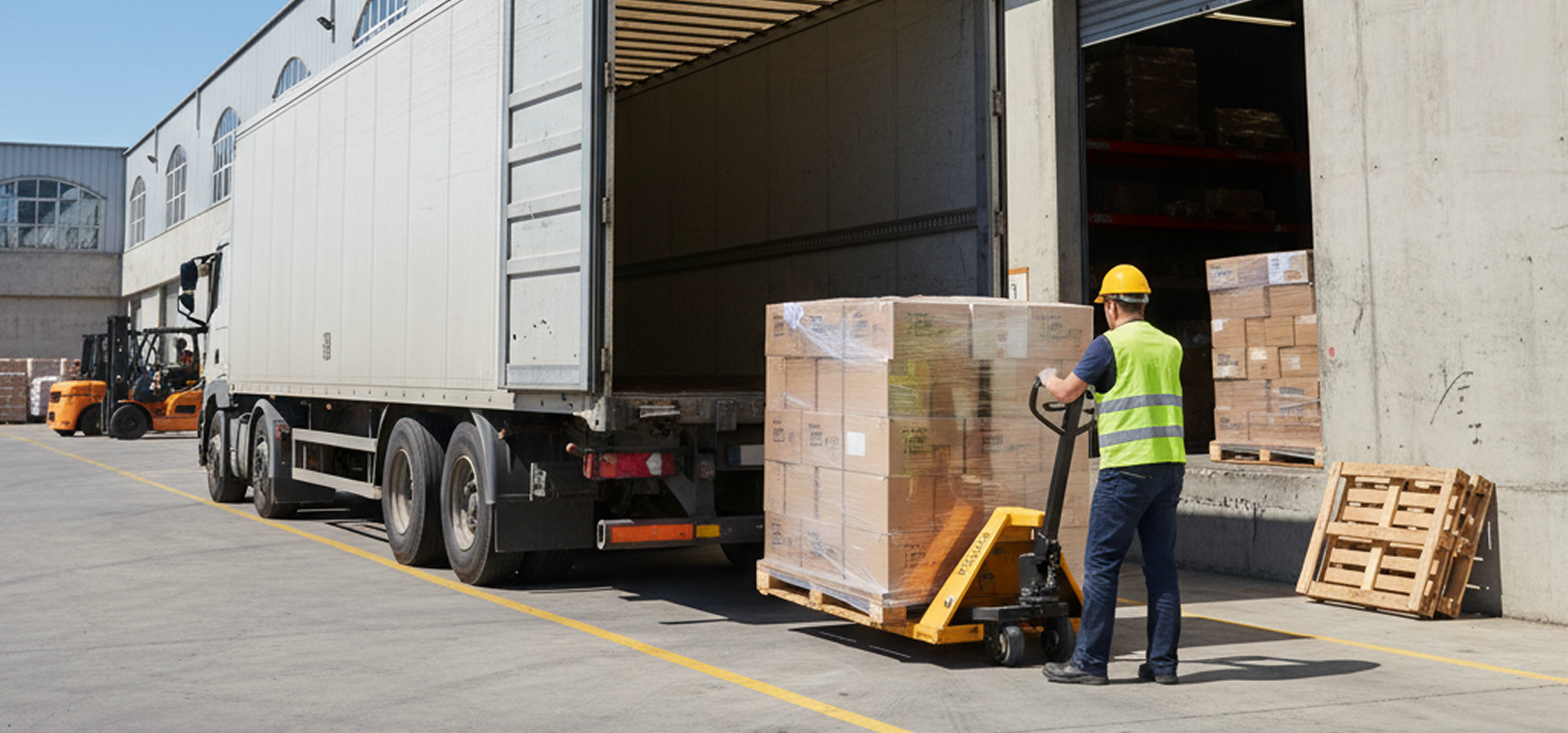
Eurosib, TF Logistics, Cargo Service Center, A Plus Logistics LLC, Easy Logistics, GTK "Rusmarine"
Import/Export Volumes and Trading Partners
Saint Petersburg’s foreign trade turnover was $33.1 billion in 2015, with exports at $13.8 billion and imports at $19.3 billion; key trading partners include Germany, Kazakhstan, Cyprus, British Virgin Islands, and Sweden.
Supply Chain Resilience
Supply chain resilience in Saint Petersburg is challenged by geopolitical risks, sanctions, and the need for greater agility, transparency, and protection from external disruptions.
Local Manufacturing Capabilities
Saint Petersburg has diverse and advanced manufacturing capabilities, specializing in shipbuilding, machinery, aerospace, power turbines, automotive, pharmaceuticals, food processing, and brewing, supported by a skilled workforce and modern infrastructure.
Industry Clusters
Automotive, shipbuilding, pharmaceuticals, radiology, high technology, energy, heavy engineering, and information technology are the main industry clusters in Saint Petersburg.
Competitive Advantages
Strategic location with access to major seaports, extensive rail and road networks, proximity to European markets, advanced industrial and research base, government investment incentives, and ongoing digitalization of logistics infrastructure.
Infrastructure Assessment
Detailed evaluation of Saint Petersburg's infrastructure quality, investment projects, utility systems, and environmental considerations for strategic planning.
Quality and Capacity
Saint Petersburg’s infrastructure is undergoing major expansion and modernization, with significant investments in transport, industrial, and digital projects aimed at increasing capacity and quality through 2030.
Planned Investments
Planned infrastructure investments in Saint Petersburg include major projects in transport (light-rail, highways, airport expansion), tourism, industrial innovation, and smart city development, with over 1028.8 billion rubles committed through recent investment agreements.
Utilities Reliability and Costs
Saint Petersburg’s utility infrastructure features modernized but aging power grids with ongoing upgrades, city-managed water services, and multiple high-speed internet providers including Spectrum, Frontier, and Xfinity.
Environmental Factors
Key environmental factors affecting logistics in Saint Petersburg include air pollution, greenhouse gas emissions, seasonal temperature variations impacting heating needs, and the urban landscape influencing transportation routes.
