Santiago
Infrastructure quality in Santiago is uneven, with high-quality infrastructure accessible mainly to wealthier areas while poorer communities face significant gaps and ongoing efforts aim to improve equity and resilience.
200,000200,000 M+
Population
641641 km²
Area
9,8219,821 /km²
Density
Growth Trends
48,510
The projected net population growth in Santiago for 2024 is 48,510.
Working-Age Population
68.9%
67% of the population in Emerging Asia, India, Latin America, the Caribbean, and the Middle East and North Africa is of working age.
Employment Rates
Key industries include mining, finance, retail, and manufacturing, with major corporations like Codelco, Falabella, and Banco de Chile playing significant roles.
Educational Attainment
Tertiary attainment among young adults aged 25-34 in OECD countries increased from 45% in 2019 to 48% in 2024, placing it among top OECD nations.
Foreign Residents
The average income for foreign residents in Santiago is about 1.33 million yen per month, with 50% earning less.
Ethnic Composition
Foreign residents in Santiago surpassed 1.4 million in 2024, making up about 20% of the city population, with the largest groups from Venezuela, Peru, Haiti, and Colombia.
Commuting
Santiago’s public transit system provides approximately six million rides daily, with most commuters traveling from suburban districts to the city center, primarily by bus and metro.
Migration Patterns
48,510
Average Income
2.17M
The average annual income in Santiago is about 2,170,000 CLP.
Transportation & Logistics Overview
Warehousing & Fulfillment Landscape
Space and Vacancy Rates
2.27%
Lease Rates and Warehouse Classes
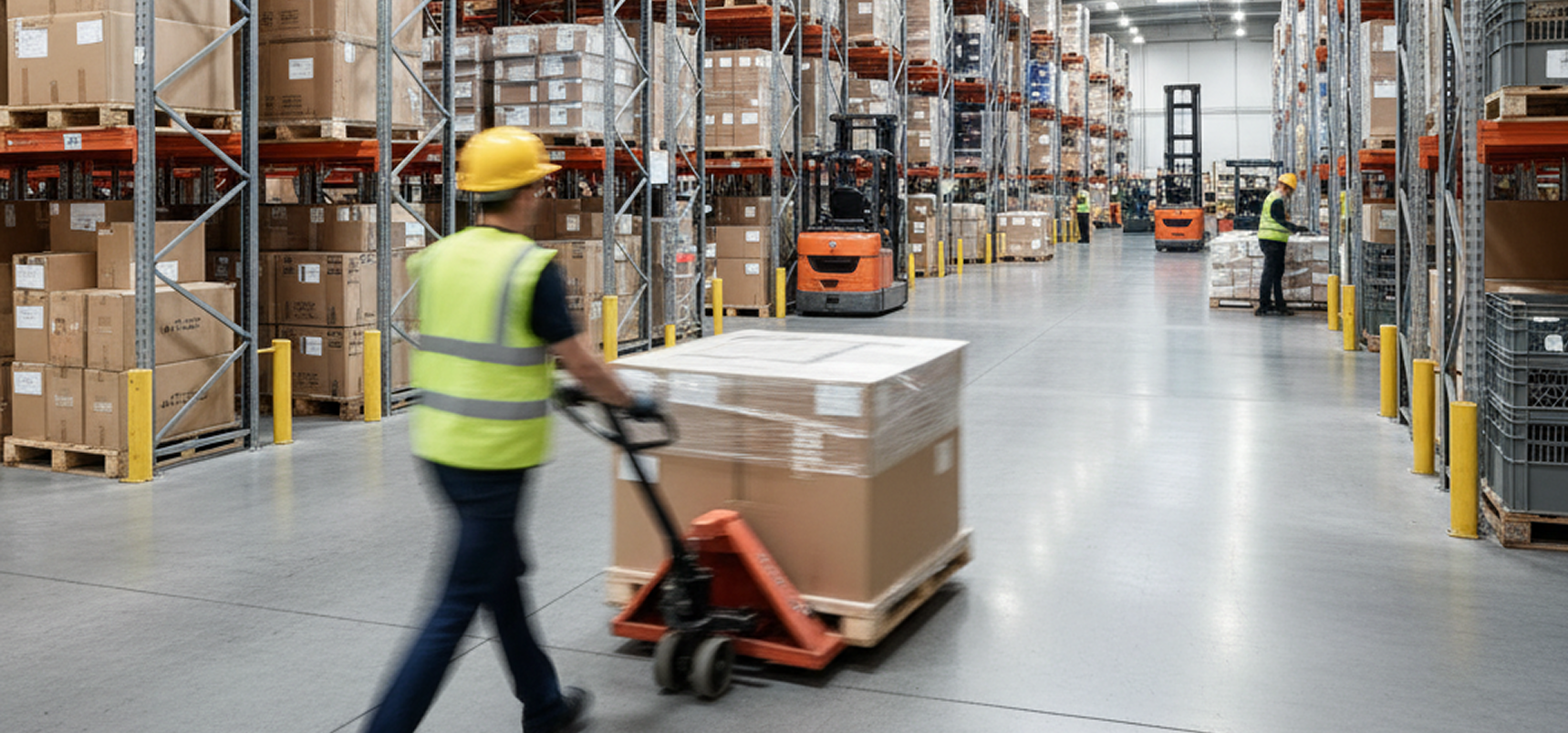
Class A warehouse lease rates in Santiago average around $6.35 USD per square meter per month in 2024, with higher rates in the northern zone and most inventory located in more affordable western and northwestern zones.
Major Warehouse Districts
Colina, Lampa, Pudahuel, San Bernardo, West Santiago, Northwest Santiago.
Last-Mile Delivery Infrastructure
Santiago’s last-mile delivery infrastructure is rapidly electrifying, with major logistics providers operating fleets of electric vans and investing in scalable, customized charging solutions to support nearly 100% electric urban deliveries.
Automation and Technology Adoption
Santiago's warehouse sector is experiencing significant automation growth with companies like Emergent Cold LatAm expanding facilities to 32,000 pallet positions using ASRS technology and GXO Logistics implementing 3,500 adjustable pallet racking positions to meet increasing e-commerce and logistics demands.
Cold Storage and Specialty Warehousing
Cold storage and specialty warehousing facilities in Santiago feature advanced temperature-controlled environments, such as the automated El Olivo facility in Maipú with a capacity of 32,000 pallet positions, supporting efficient and secure storage for food and other temperature-sensitive products.
Supply Chain Analysis
Key Industries
Mining, manufacturing (food processing, chemicals, wood), agriculture, business and financial services, transport and communications, retail, tourism, IT and telecommunications.
Major Logistics Providers
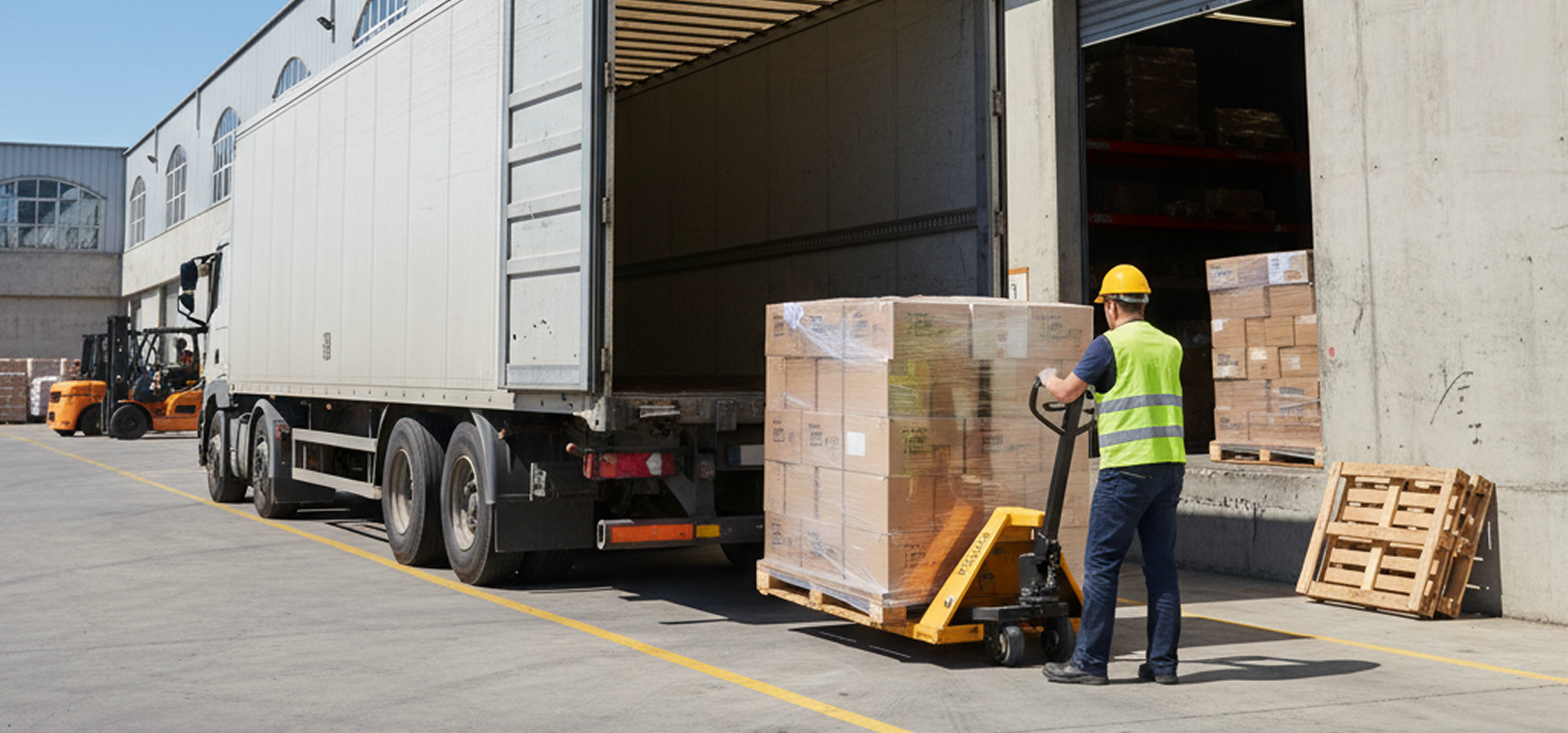
Omni Logistics, Logistics Network Chile, SDV Chile (Bolloré Logistics), Pacific Anchor Line, SIF Chile, UFS Holding, UNI International, UPS SCS Transportes, TIBA Chile, Navy Cargo Express Chile, SIAN Trans, Redlines Group, Boss Logistics, Andes Logistics de Chile, Agunsa, Transportes Casablanca, Transportes Nazar, Sotraser, Logistics Plus, Noatum Logistics, K Logistics, Logisfashion, SAAM, Rohlig, Globe Express Services, Latam Logistics, Smart Logistics, Logística SA, Samex, KP Logistics Chile, Pedro Serrano, Rodrigo Larraguibel, GlobalShopex.
Import/Export Volumes and Trading Partners
Santiago’s export volume reached $52.8 billion in the first half of 2025, with key trading partners including China, the United States, Brazil, and Argentina, while imports totaled about $6.95 billion in August 2025, mainly from China, the United States, Brazil, and Argentina.
Supply Chain Resilience
Supply chain resilience in Santiago is challenged by global disruptions, supplier concentration, demand variability, regulatory changes, and transportation inefficiencies, requiring adaptive strategies and enhanced visibility to mitigate risks.
Local Manufacturing Capabilities
Santiago has diverse local manufacturing capabilities, particularly in food processing, mining equipment, and logistics, supported by skilled labor, robust infrastructure, and proximity to major industrial parks.
Industry Clusters
The main industry clusters in Santiago are manufacturing, agriculture and food processing, mining-related services, logistics, and commerce.
Competitive Advantages
Santiago’s key competitive advantages as a logistics/business hub are its strategic central location, advanced infrastructure, major international airport, proximity to key ports, stable economy, and strong connectivity to global trade routes.
Infrastructure Assessment
Detailed evaluation of Santiago's infrastructure quality, investment projects, utility systems, and environmental considerations for strategic planning.
Quality and Capacity
Santiago’s infrastructure quality and capacity are generally high for a Latin American city, with robust transportation, energy, and telecommunications systems, but face challenges from urban density, regional disparities, and vulnerability to natural hazards.
Planned Investments
Major planned infrastructure investments in Santiago include a $470 million electric commuter railway to Batuco, a new $1.9 billion Metro Line 9, a $932 million urban beltway highway, and ongoing green infrastructure and transport modernization projects.
Utilities Reliability and Costs
Santiago has a modern but aging utility infrastructure with a national electric grid, advanced water management using smart meters amid ongoing drought and rationing, and widespread internet access supported by ongoing upgrades.
Environmental Factors
Key environmental factors affecting logistics in Santiago include air pollution from road traffic and industrial activities, seasonal variations in particulate matter and ozone, and urban congestion impacting distribution efficiency.
