São Paulo
São Paulo has extensive infrastructure with good electricity and transport networks, but faces significant challenges with congestion, pollution, and uneven access to water and sanitation.
11.911.9 M+
Population
1,5211,521 km²
Area
7,8267,826 /km²
Density
Growth Trends
45.0K
The projected net population growth in São Paulo for 2024 is 11,895,578.
Working-Age Population
69.1%
67% of the world’s population in Emerging Asia, India, Latin America, the Caribbean, and the Middle East and North Africa is of working age.
Employment Rates
Key industries include finance, automotive, and technology, with major corporations like Banco Itaú, General Motors, and Embraer playing significant roles.
Educational Attainment
Tertiary attainment among young adults aged 25-34 in Japan increased from 62% in 2019 to 66% in 2024, placing it among top OECD nations.
Foreign Residents
The average income for foreign residents in São Paulo is about 130 million yen with 80% earning less.
Ethnic Composition
Foreign residents in São Paulo surpassed 1.2 million in 2024, making up about 5.3% of the city population, with largest groups from Bolivia, Paraguay, China, Portugal, and Haiti.
Commuting
More than 4 million people commute daily by metro and suburban rail in the São Paulo metropolitan area, primarily traveling from outlying districts into the city center for work.
Migration Patterns
42,766,437
Average Income
11K
The average annual income in São Paulo is about 1.1 million yen, though more than half earn less than this amount.
Transportation & Logistics Overview
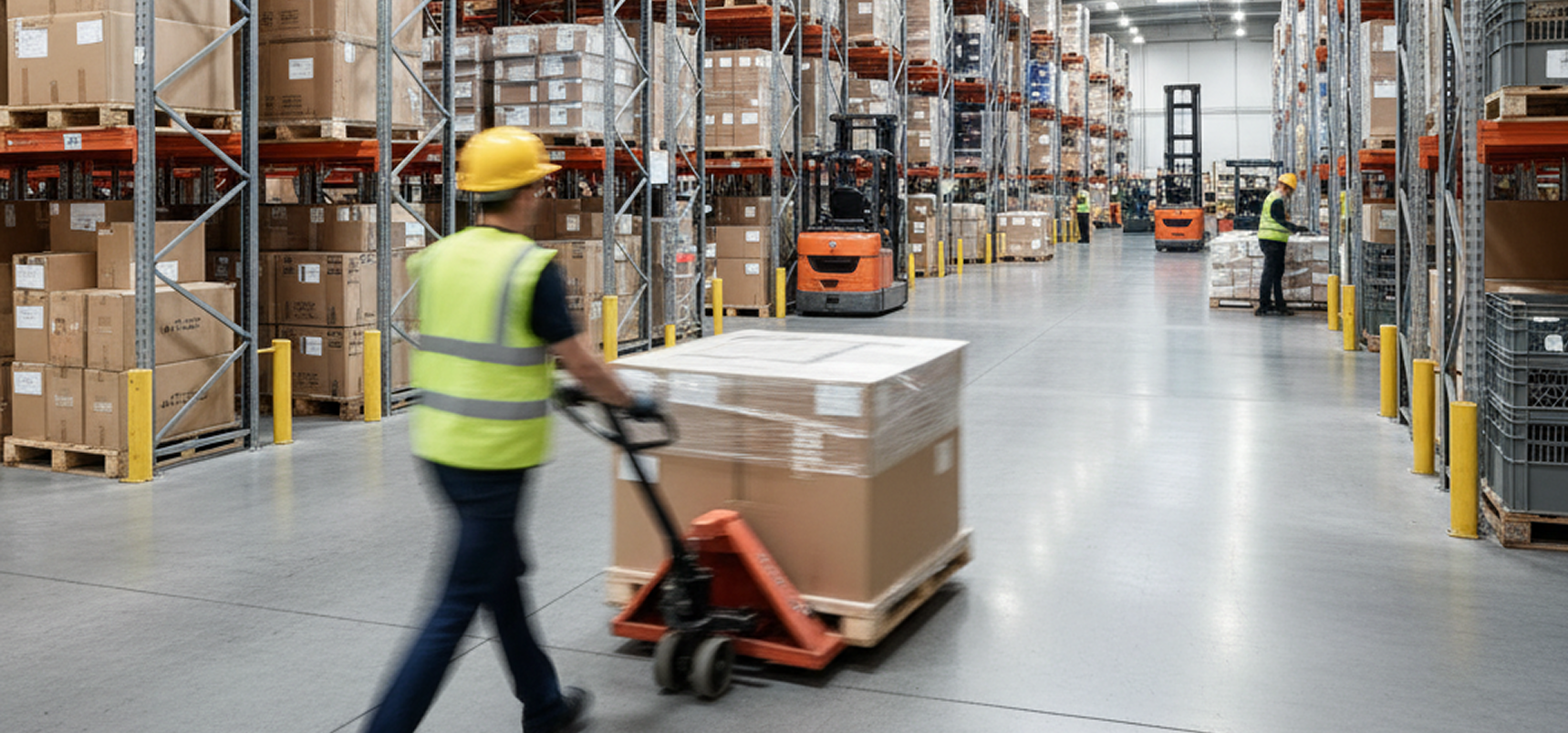
Warehousing & Fulfillment Landscape
Space and Vacancy Rates
8.59%
Lease Rates and Warehouse Classes
Warehouse lease rates in São Paulo average R$25–R$38/m²/month, with higher rates for class A and A+ assets in prime regions.
Major Warehouse Districts
Cajamar, Guarulhos, Barueri, Campinas, Brooklin, and the Greater São Paulo metropolitan area.
Last-Mile Delivery Infrastructure
São Paulo’s last-mile delivery infrastructure features a mix of local and international logistics providers, advanced vehicle routing, and digital platforms to optimize urban distribution amid challenges like traffic and facility costs.
Automation and Technology Adoption
Warehouse automation in São Paulo is growing, with companies adopting advanced systems like automated storage and retrieval, warehouse management software, and robotics to improve efficiency, safety, and real-time inventory control.
Cold Storage and Specialty Warehousing
Cold storage and specialty warehousing facilities in São Paulo offer large-scale, modern temperature-controlled storage and logistics services for food producers and retailers, with strategic locations near major transport hubs and value-added services.
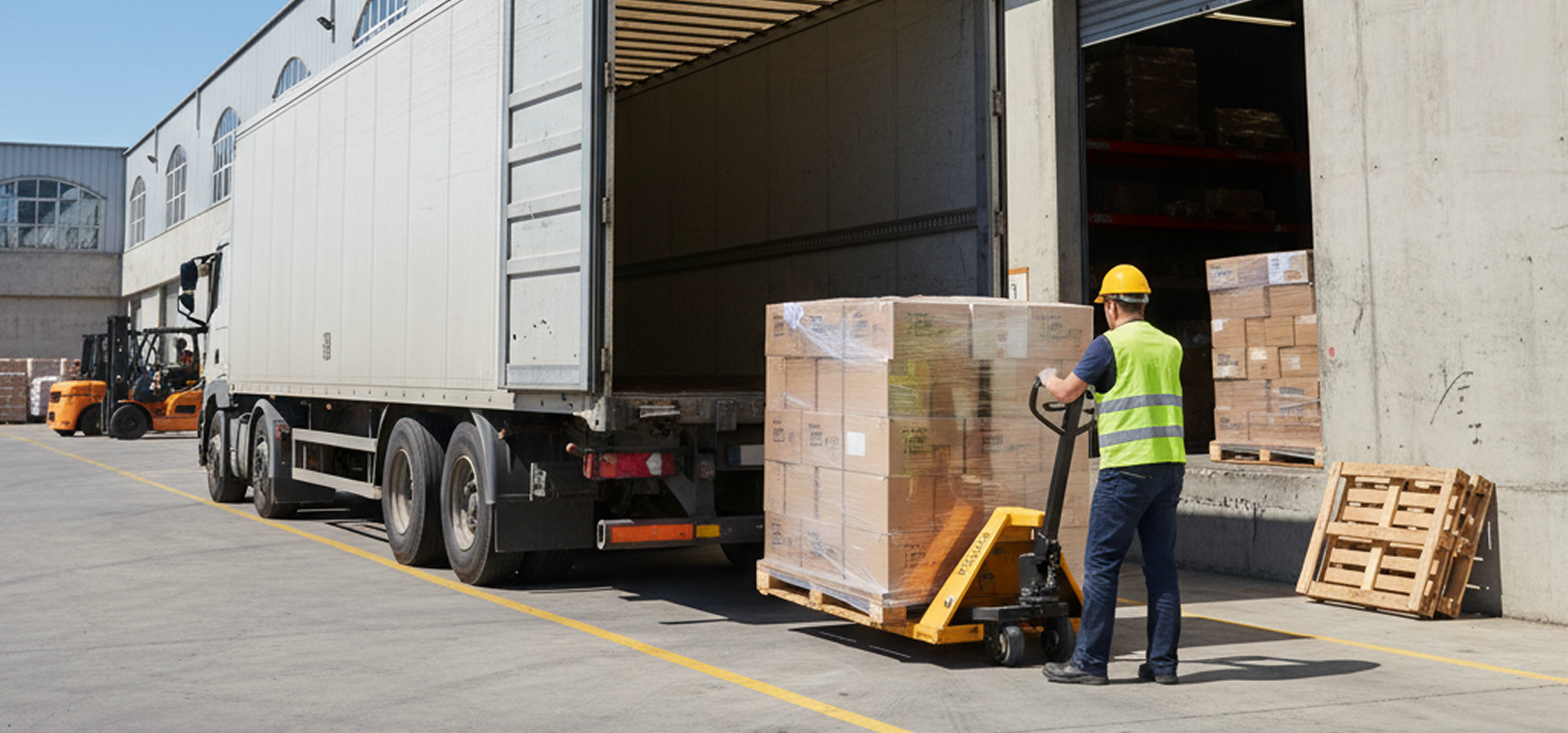
Supply Chain Analysis
Key Industries
Industry (automotive, electronics, chemicals, textiles), finance, agriculture (sugarcane, oranges, coffee), services, energy (bioenergy, oil, gas), retail, information technology, tourism, real estate, and education.
Major Logistics Providers
Loggi, CargoX, Cobli, TruckPad, LogShare, Vammo, JM Logistica Importação e Exportação, Speak Logistics, Nippon Express, Panalpina, Yusen Logistics, Fox Brasil, Maxitrans, Pronto Cargo, Novatrade Brasil, Rodovitor Transport and Vehicle Rental, Phoenix Logistica, Antrand Solutions Brazil.
Import/Export Volumes and Trading Partners
São Paulo, as Brazil’s main trade hub, handles high import and export volumes—primarily agricultural products, oil, and machinery—with China, the United States, and Argentina as its key trading partners.
Supply Chain Resilience
Supply chain resilience in São Paulo is challenged by climate risks, infrastructure variability, regulatory complexity, and the need for multi-sourcing and transparency to manage disruptions and environmental impacts.
Local Manufacturing Capabilities
São Paulo has highly diversified and advanced manufacturing capabilities, including automotive, chemicals, consumer goods, pharmaceuticals, biotechnology, aerospace, electronics, and high-tech industries, supported by robust infrastructure and skilled labor.
Industry Clusters
São Paulo’s main industry clusters are automotive, pharmaceuticals, machinery, finance, high-tech, aerospace, chemicals, textiles, food and beverages, biofuels, and agro-industry.
Competitive Advantages
São Paulo’s key competitive advantages as a logistics/business hub are its strategic geographic location, extensive transportation and logistics infrastructure, strong connectivity to domestic and international markets, large and skilled labor force, diverse industrial base, and status as Brazil’s economic and innovation center.
Infrastructure Assessment
Detailed evaluation of São Paulo's infrastructure quality, investment projects, utility systems, and environmental considerations for strategic planning.
Quality and Capacity
São Paulo’s infrastructure is extensive and supports high economic activity, but faces persistent challenges with uneven quality, congestion, and underinvestment in maintenance and sanitation.
Planned Investments
São Paulo plans record infrastructure investments in 2025, including R$50 billion ($8.77 billion) through auctions for highways, urban mobility, and logistics projects, highlighted by metro expansions, major highway improvements, and new ring roads.
Utilities Reliability and Costs
São Paulo has extensive but strained utility infrastructure, with abundant hydroelectric power, major water supply systems facing pollution and scarcity challenges, and robust high-speed internet connectivity supported by global submarine cables.
Environmental Factors
Key environmental factors affecting logistics in São Paulo include high air pollution from industrial and transport emissions, reliance on fossil-fuel trucks for freight, and ongoing efforts to transition to cleaner energy and improve urban sustainability.
