Shenzhen
Shenzhen has rapidly developed high-quality, technologically advanced infrastructure, integrating traditional and smart systems, and is recognized as a global leader in innovation and sustainable urban development.
1818 M+
Population
1,9971,997 km²
Area
7,1707,170 /km²
Density
Growth Trends
200K
199,400
Working-Age Population
75-76%
67% of the population in Emerging Asia, India, Latin America, and the Middle East and North Africa is of working age.
Employment Rates
Key industries include high-tech electronics, telecommunications, and biotechnology, with major corporations like Huawei, Tencent, and DJI playing significant roles.
Educational Attainment
Tertiary attainment among young adults aged 25-34 in OECD countries increased from 45% in 2019 to 48% in 2024.
Foreign Residents
Foreign residents data not available
Ethnic Composition
Foreign residents in Shenzhen surpassed 0.5 million in 2024 making up about 3% of the city population with largest groups from Malaysia, South Korea, Japan, Vietnam and Singapore.
Commuting
Shenzhen’s public transport system handles 13.81 million passenger trips daily, with 81% of commuters reaching work within 45 minutes and over 60% qualifying as “happy commuting” (≤5 km).
Migration Patterns
Shenzhen continues to attract residents from other regions with a net inflow of 199,400 people in 2024.
Average Income
¥171,854
The average annual income in Shenzhen is about 1.6 million yen, though more than half earn less than this amount.
Transportation & Logistics Overview
Warehousing & Fulfillment Landscape
Space and Vacancy Rates
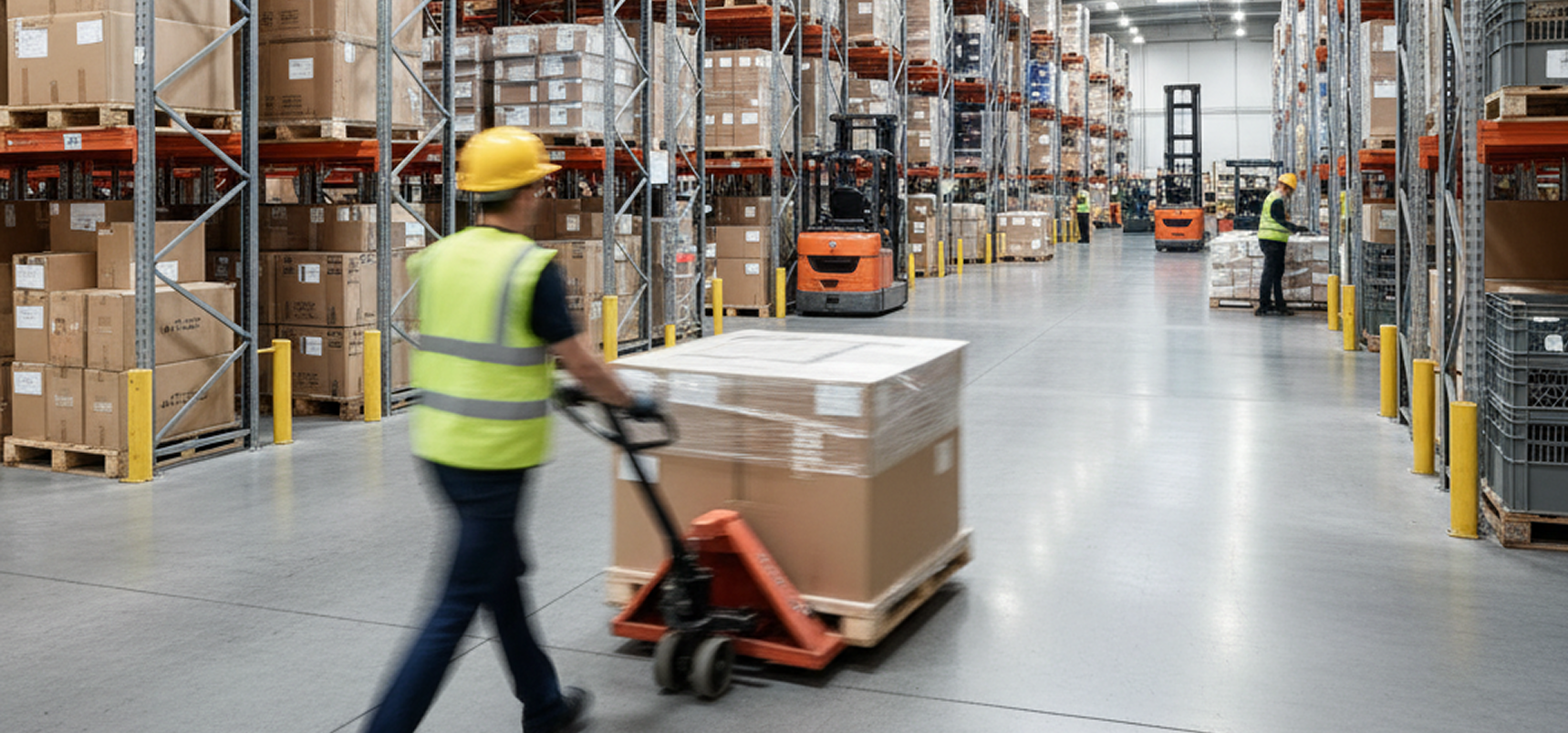
The search results do not provide specific information on warehouse space vacancy rates in Shenzhen.
Lease Rates and Warehouse Classes
Warehouse lease rates in Shenzhen typically range from $13 to $15 per square meter per month depending on size, with lower rates for larger spaces, and warehouse classes vary by location, size, and amenities.
Major Warehouse Districts
Pingshan District, Longhua District, Yantian District, Qianhai Pilot Free Trade Zone, Bao’an District, Longgang District
Last-Mile Delivery Infrastructure
Shenzhen’s last-mile delivery infrastructure features a citywide unmanned delivery network using autonomous vehicles and robots—including metro-integrated delivery robots—to enable rapid, efficient, and automated parcel distribution across urban districts.
Automation and Technology Adoption
Shenzhen is rapidly adopting advanced warehouse automation technologies such as robotics, AI, IoT, and cloud-based management systems to boost efficiency, accuracy, and flexibility in response to growing e-commerce and supply chain demands.
Cold Storage and Specialty Warehousing
Cold storage and specialty warehousing facilities in Shenzhen offer temperature-controlled environments for food, pharmaceuticals, batteries, and specialty goods, featuring advanced safety systems, automation, and customized storage solutions.
Supply Chain Analysis
Key Industries
Key industries and economic sectors in Shenzhen include high-tech manufacturing (especially electronic information, semiconductors, AI, robotics), digital economy, finance, logistics, cultural and creative industries, biomedicine, new energy, green and low-carbon industries, marine economy, and modern fashion.
Major Logistics Providers
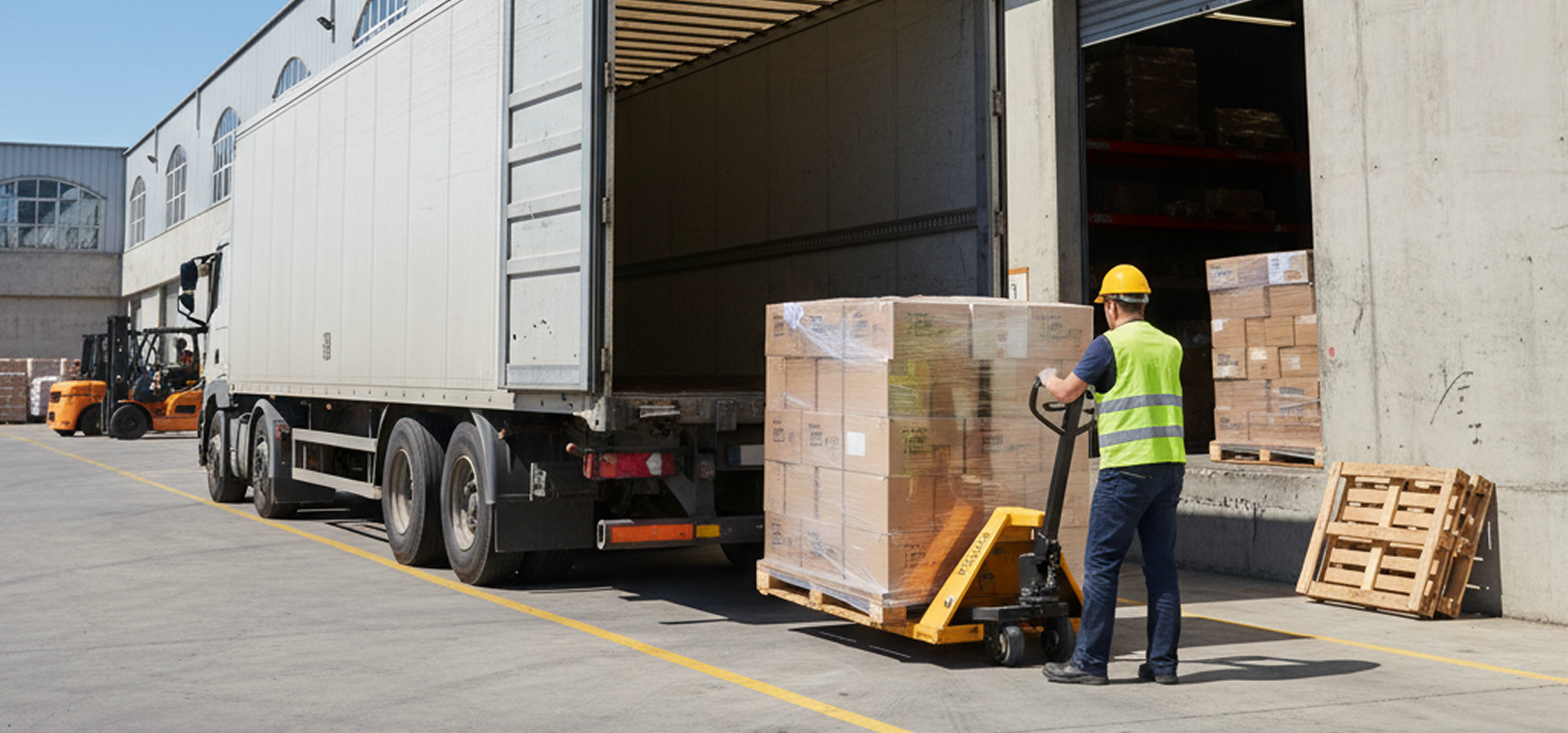
Omni Logistics, Shenzhen New Chain Logistics Co. Ltd., Shenzhen Huahongyu Supply Chain Co. Ltd., Shenzhen JCD International Freight Forwarding Co. Ltd., T.H.I. Logistics Company, Shenzhen Front Logistics, M&W China Limited, Amass Freight International, Airtop Freight System Ltd., Shenzhen Haorui Logistics Co. Ltd., and Shenzhen Yuan Logistics Ltd.
Import/Export Volumes and Trading Partners
In the first half of 2025, Shenzhen’s import/export volume reached 2.17 trillion yuan (exports 1.31 trillion yuan, imports 858.86 billion yuan), with key trading partners including ASEAN, Hong Kong, Taiwan, the EU, the United States, India, the UK, South Korea, Japan, and Mexico.
Supply Chain Resilience
Shenzhen’s supply chain resilience is challenged by pandemic disruptions, strained logistics, and geopolitical risks, with key vulnerabilities in trucking, port congestion, and reliance on electronics manufacturing.
Local Manufacturing Capabilities
Shenzhen is a global manufacturing hub known for its integrated supply chain, highly skilled workforce, and technological expertise, specializing in electronics, automotive components, medical devices, and consumer goods.
Industry Clusters
Shenzhen’s main industry clusters are high-tech manufacturing (including semiconductors, AI, robotics, and intelligent vehicles), new energy, biomedicine, finance, logistics, cultural industries, and software and information services.
Competitive Advantages
Proximity to world-class manufacturers, major ports, and airports; seamless cross-border access to Hong Kong; advanced logistics infrastructure; business-friendly policies; cost-effective labor; and integrated global supply chain solutions.
Infrastructure Assessment
Detailed evaluation of Shenzhen's infrastructure quality, investment projects, utility systems, and environmental considerations for strategic planning.
Quality and Capacity
Shenzhen possesses advanced, high-capacity infrastructure integrating traditional and smart technologies, with ongoing large-scale development to achieve world-leading quality and connectivity.
Planned Investments
Shenzhen plans to invest 3.15 trillion yuan in 798 key projects for 2025, including 268 infrastructure projects covering airport expansion, expressway upgrades, port improvements, and 1.7 billion USD for drone infrastructure development through 2026.
Utilities Reliability and Costs
Shenzhen features advanced utility infrastructure with widespread smart water and gas metering, a modern power grid heavily reliant on imported and clean energy, and robust internet connectivity supporting extensive IoT applications.
Environmental Factors
Key environmental factors affecting logistics in Shenzhen include air pollution from diesel vehicles, greenhouse gas emissions, adoption of clean energy vehicles, wastewater management, and climate resilience initiatives.
