Singapore
Singapore’s infrastructure quality is widely regarded as world-class, featuring highly reliable utilities, advanced public transport, and leading-edge digital connectivity.
6.16.1 M+
Population
736736 km²
Area
9,1669,166 /km²
Density
Growth Trends
73K
The projected net population growth in Singapore for 2024 is 2.0%.
Working-Age Population
74.1%
8% decline expected in OECD working-age population by 2060 due to aging demographics.
Employment Rates
Key industries include manufacturing, financial services, electronics, and chemicals, with major corporations like DBS Group, Singapore Airlines, and Wilmar International playing significant roles.
Educational Attainment
Tertiary attainment among young adults aged 25-34 in OECD countries increased from 45% in 2019 to 48% in 2024, placing it among the top OECD nations.
Foreign Residents
The average income for foreign residents in Singapore is about $53,000 USD, with 50% earning less.
Ethnic Composition
Foreign residents in Singapore surpassed 1.91 million in 2024, making up about 31% of the city population, with largest groups from Malaysia, China, India, and Indonesia.
Commuting
Singapore’s metropolitan area sees over 7 million daily public transport rides, with the majority commuting by rail from suburban districts into the city center for work.
Migration Patterns
Singapore continues to attract residents from other regions with a net inflow of 25,000 people in 2024.
Average Income
73K
The average annual income in Singapore is about 7.3 million yen, though more than half earn less than this amount.
Transportation & Logistics Overview
Warehousing & Fulfillment Landscape
Space and Vacancy Rates
11.2%
Lease Rates and Warehouse Classes
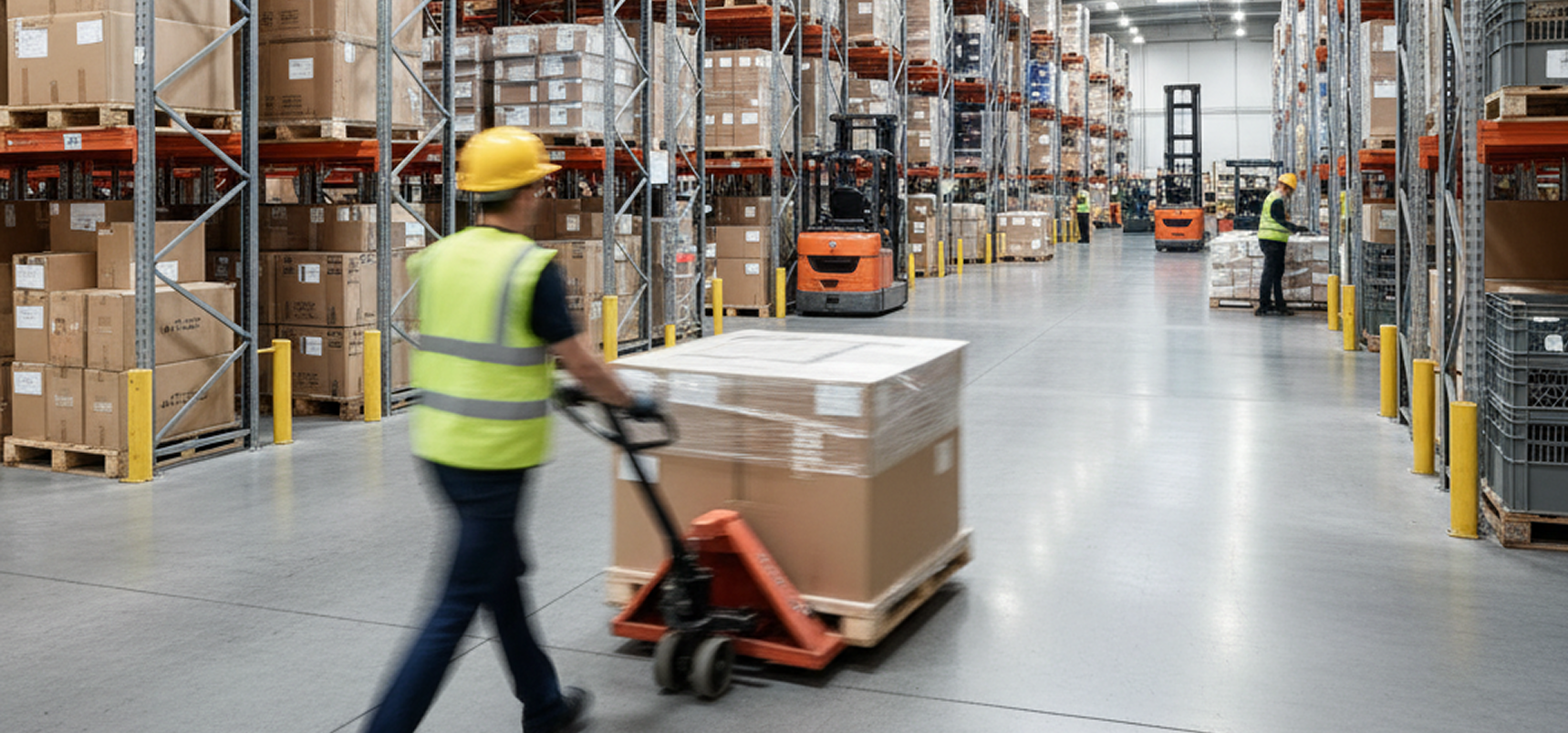
Warehouse lease rates in Singapore typically range from $1.20 to $3.80 per square foot per month depending on location and specification, with classifications such as B1 (light industrial) and B2 (general industrial) commonly used.
Major Warehouse Districts
Jurong, Tuas, Changi, Pandan, Loyang, and Gul are the major warehouse and logistics districts in Singapore.
Last-Mile Delivery Infrastructure
Singapore’s last-mile delivery infrastructure features advanced logistics technology, dense urban coverage, and a focus on fast, reliable, and sustainable delivery to meet high e-commerce and consumer demands.
Automation and Technology Adoption
Singapore is rapidly adopting warehouse automation technologies such as robotics, IoT, and AI to enhance efficiency, scalability, and competitiveness in its logistics sector.
Cold Storage and Specialty Warehousing
Singapore offers diverse cold storage facilities ranging from large-scale automated deep-freeze warehouses storing thousands of pallets at temperatures as low as -23°C to flexible SME-focused facilities with rooms from 300-1,500 square feet, serving industries from food and pharmaceuticals to floristry with comprehensive temperature-controlled solutions.
Supply Chain Analysis
Key Industries
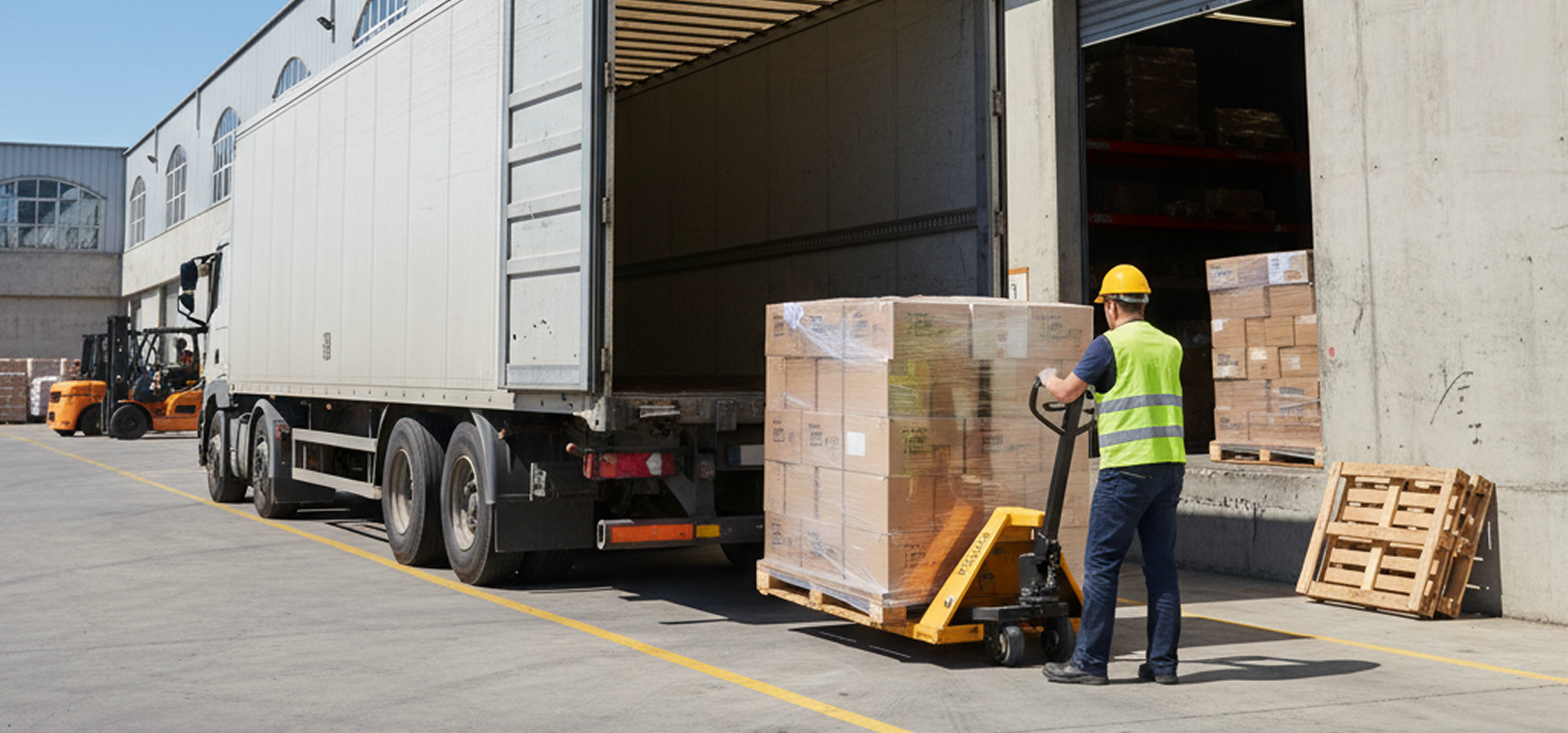
Manufacturing (especially electronics and precision engineering), finance and insurance, wholesale trade, information and communications technology, transportation and storage (including air and sea transport), construction, real estate, professional services, retail trade, accommodation, food and beverage, chemicals, petroleum refining, life sciences, and ship repair.
Major Logistics Providers
DHL, Maersk, DB Schenker, Kuehne+Nagel, FedEx, UPS, CEVA Logistics, DSV, PSA International, Singapore Post (SingPost), YCH Group, Pacific International Lines (PIL), CWT, Locad, Bluedart, uParcel, Aramex, Amazon, Nippon Express, Zim Integrated Services.
Import/Export Volumes and Trading Partners
Singapore’s total trade exceeded $500 billion in 2025, with key trading partners including China, Hong Kong, Malaysia, the United States, and Indonesia.
Supply Chain Resilience
Singapore’s supply chain resilience is strong, underpinned by robust manufacturing, advanced logistics, and proactive risk mitigation, but remains exposed to global trade tensions, geopolitical volatility, and reliance on critical imports.
Local Manufacturing Capabilities
Singapore’s local manufacturing capabilities are highly advanced, focusing on semiconductors, precision engineering, and biopharmaceuticals, with strong government support for digitalization, automation, and Industry 4.0 technologies.
Industry Clusters
The main industry clusters in Singapore are manufacturing (including electronics, precision engineering, chemicals, and biomedical sciences), financial services, logistics and trade, aerospace, marine and offshore, real estate and construction, and essential domestic services like healthcare and education.
Competitive Advantages
Strategic geographic location, world-class port and airport infrastructure, extensive global connectivity, efficient customs, advanced technology adoption, business-friendly regulations, robust legal framework, and strong free trade agreements.
Infrastructure Assessment
Detailed evaluation of Singapore's infrastructure quality, investment projects, utility systems, and environmental considerations for strategic planning.
Quality and Capacity
Singapore’s infrastructure quality and capacity are world-leading, with top global rankings and highly efficient transport, utilities, and public services.
Planned Investments
Singapore is planning major infrastructure investments including a S$5 billion top-up for future energy infrastructure, S$5 billion for Changi Airport development, S$1 billion for biotech and semiconductor R&D infrastructure, and S$25 billion over five years for research, innovation, and enterprise.
Utilities Reliability and Costs
Singapore has highly reliable and modern utility infrastructure, with electricity and water supplied by state agencies and private partners, extensive underground networks, and widespread high-speed internet connectivity.
Environmental Factors
Key environmental factors affecting logistics in Singapore include emissions reduction, route optimization, adoption of renewable energy, waste management, and compliance with sustainability regulations.
