Surat
Surat’s infrastructure quality is rapidly improving with smart city initiatives, but faces ongoing challenges due to rapid urbanization and population growth.
6.56.5 M+
Population
475475 km²
Area
10,05210,052 /km²
Density
Growth Trends
251.2K
251,200
Working-Age Population
68.32%
67% of the population in Emerging Asia, India, Latin America, and the Middle East and North Africa is of working age.
Employment Rates
Key industries include textiles, diamond processing, petrochemicals, and IT services, with major corporations like Reliance Industries, Arvind Limited, and SRK Exports playing significant roles.
Educational Attainment
Tertiary attainment among young adults aged 25-34 in OECD countries increased from 45% in 2019 to 48% in 2024, placing it among the top OECD nations.
Foreign Residents
The average income for foreign residents in Surat is about 3.2 million yen, with 50% earning less.
Ethnic Composition
Foreign residents in Surat surpassed 1 million in 2024, making up about 15% of the city population, with the largest groups from Bangladesh, Nepal, and Myanmar.
Commuting
Surat’s metropolitan area, with a population of over 7.5 million, sees millions commuting daily—primarily by private vehicles and shared autos, as formal public transport accounts for only 1.4% of trips.
Migration Patterns
251,200
Average Income
15K
The average annual income in Surat is about 620,000 yen though more than half earn less than this amount.
Transportation & Logistics Overview
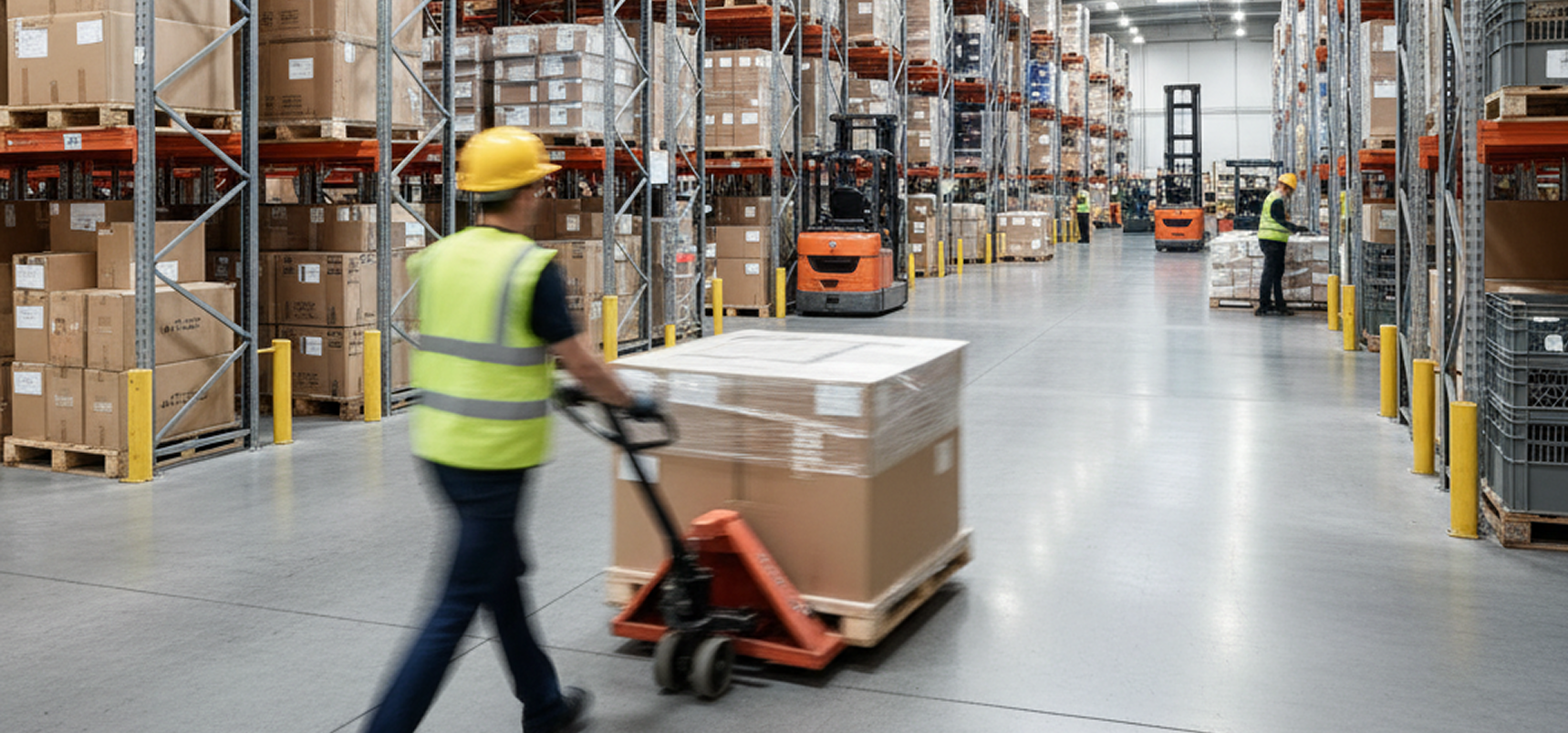
Warehousing & Fulfillment Landscape
Space and Vacancy Rates
The search results do not contain specific vacancy rate data for warehouse spaces in Surat.
Lease Rates and Warehouse Classes
Warehouse lease rates in Surat typically range from ₹18 to ₹30 per sq. ft. per month, with available classes including general warehouses, cold storage, distribution centers, and customizable facilities.
Major Warehouse Districts
Ichhapore, Bhatpore GIDC, Sachin GIDC, Pipodara, and areas along the Ahmedabad-Mumbai Highway such as Kamrej to Vesma.
Last-Mile Delivery Infrastructure
Last-mile delivery infrastructure in Surat encompasses the final transportation phase from distribution centers to end customers, featuring technology integration, route optimization, and various delivery solutions including traditional vehicles, drones, electric vehicles, and smart lockers to address urban traffic challenges and meet growing e-commerce demands.
Automation and Technology Adoption
Warehouse automation adoption in Surat is accelerating, with businesses increasingly implementing robotics, automated storage and retrieval systems, and digital tracking technologies to boost efficiency, accuracy, and scalability in warehouse operations.
Cold Storage and Specialty Warehousing
Cold storage and specialty warehousing facilities in Surat provide temperature-controlled environments for storing perishable goods like food, pharmaceuticals, and seeds, offering services such as refrigeration, climate control, and distribution for industrial and commercial clients.
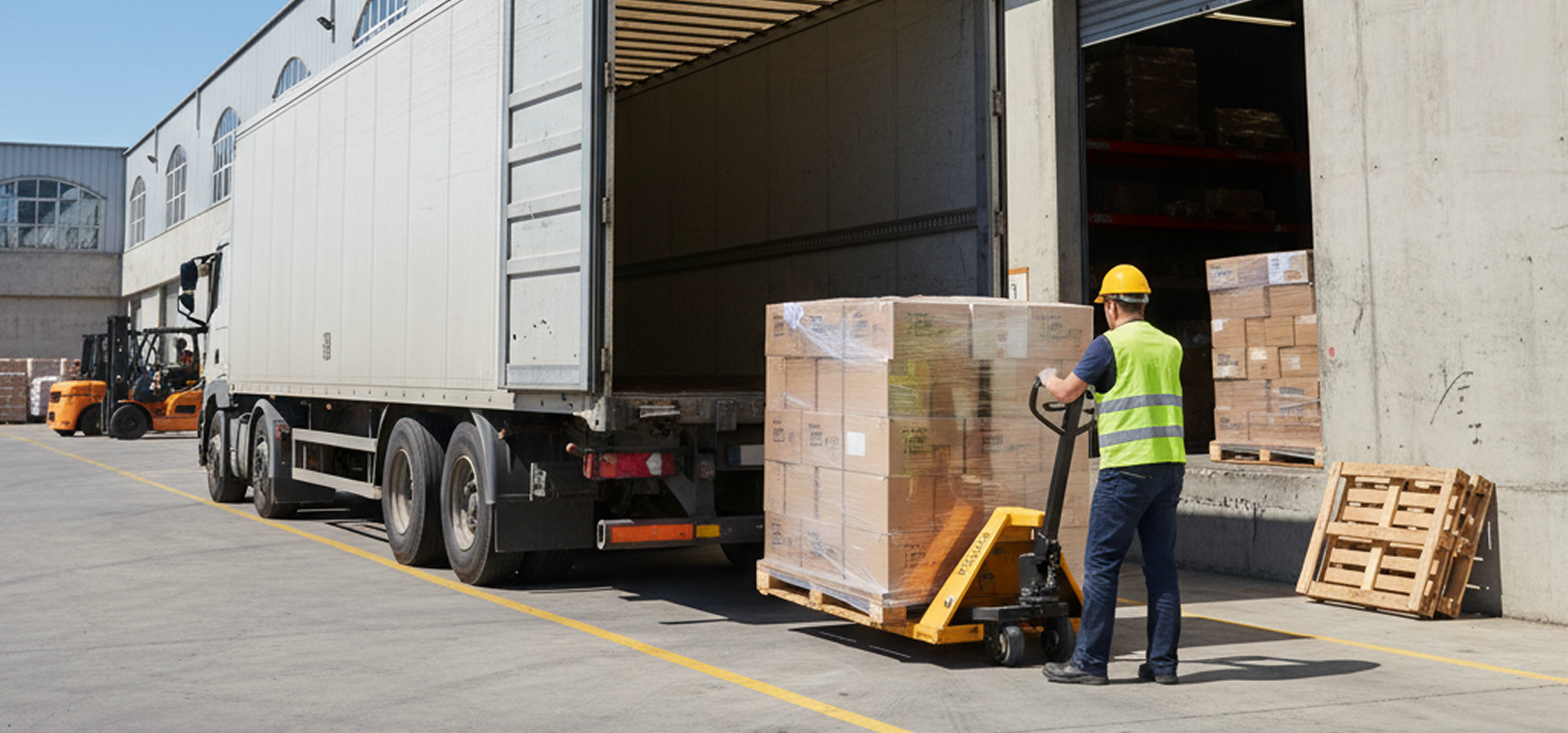
Supply Chain Analysis
Key Industries
Textiles, diamond processing, chemicals, petrochemicals, metals, food processing, plastics, electronics, zari (silver and embroidery works), engineering, IT services, and trade.
Major Logistics Providers
Maersk, DB Schenker, Aramex, Katson Logistics, Agarwal Packers & Movers, Om Logistics, Essar Shipping Ltd, Jamnagar Transport Company Pvt Ltd, Selloship Services, Russian Railways Logistics, Baba Express Ecom Pvt. Ltd., EVIFY Logitech Pvt Ltd, Blowhorn Ltd, Paradise Logistics, DTDC, Ethics Prosperity Pvt. Ltd., Arrshan Logix, Shiprocket Fulfillment, JN Logistics, Indian Logistic Services, Ekta Express Pvt. Ltd.
Import/Export Volumes and Trading Partners
Surat ICD export shipment volume: 4638; key trading partners: China, Switzerland, Japan.
Supply Chain Resilience
Information about supply chain resilience not available.
Local Manufacturing Capabilities
Surat produces over 9 million meters of fabric annually and accounts for 40% of India's synthetic textile output through its integrated manufacturing ecosystem spanning yarn processing to finishing.
Industry Clusters
The main industry clusters in Surat include textiles, chemicals, dying and printing, diamond processing, zari (silver) making, and engineering activities.
Competitive Advantages
Surat offers a central location, robust multimodal infrastructure (port, airport, rail, highways), modern warehousing, a skilled workforce, competitive costs, and strong support for key industries like textiles, diamonds, and chemicals.
Infrastructure Assessment
Detailed evaluation of Surat's infrastructure quality, investment projects, utility systems, and environmental considerations for strategic planning.
Quality and Capacity
Surat’s infrastructure quality and capacity are rapidly advancing with major investments in urban planning, multimodal connectivity, and public amenities, positioning the city as a leader in integrated, future-ready development.
Planned Investments
Planned infrastructure investments in Surat include Surat Metro Phase 2, smart city initiatives, commercial expansions, a ₹435 crore package for public amenities, and major urban development around the Mumbai–Ahmedabad bullet train station.
Utilities Reliability and Costs
Surat features a robust utility infrastructure with 24x7 water supply through a grid system, electricity distributed by Torrent Power and DGVCL, and ongoing smart city initiatives to upgrade internet and digital services.
Environmental Factors
Key environmental factors affecting logistics in Surat include high air pollution from road dust and diesel vehicles, frequent traffic congestion, noise, and risks of water and soil contamination due to industrial and transport activities.
