Suzhou
Suzhou's infrastructure quality is advanced, featuring integrated smart city technologies, comprehensive digital management systems, and innovative applications like city-wide digital twins and real-time monitoring for urban operations.
55 M+
Population
2,9442,944 km²
Area
1,5021,502 /km²
Density
Growth Trends
29K
The projected net population growth in Suzhou for 2024 is 29,000.
Working-Age Population
69.7%
75.3% of the EU's working-age population is employed.
Employment Rates
Key industries include information technology, biomedicine, and advanced manufacturing, with major corporations like Huawei, Foxconn, and Novo Nordisk playing significant roles.
Educational Attainment
Tertiary attainment among young adults aged 25-34 in Japan increased from 62% in 2019 to 66% in 2024, placing it among top OECD nations.
Foreign Residents
Foreign residents data not available
Ethnic Composition
Foreign residents in Suzhou surpassed 0.09 million in 2024, making up about 1% of the city population, with largest groups from South Korea, Japan, and the United States.
Commuting
Suzhou Metro serves 995,000 daily passengers on average with record ridership of 1,548,000, connecting suburban areas to the central city via nine operational lines.
Migration Patterns
Suzhou continues to attract residents from other regions with a net inflow of 29,000 people in 2024.
Average Income
340K
The average annual income in Suzhou is about 2.1 million yen, though more than half earn less than this amount.
Transportation & Logistics Overview
Warehousing & Fulfillment Landscape
Space and Vacancy Rates
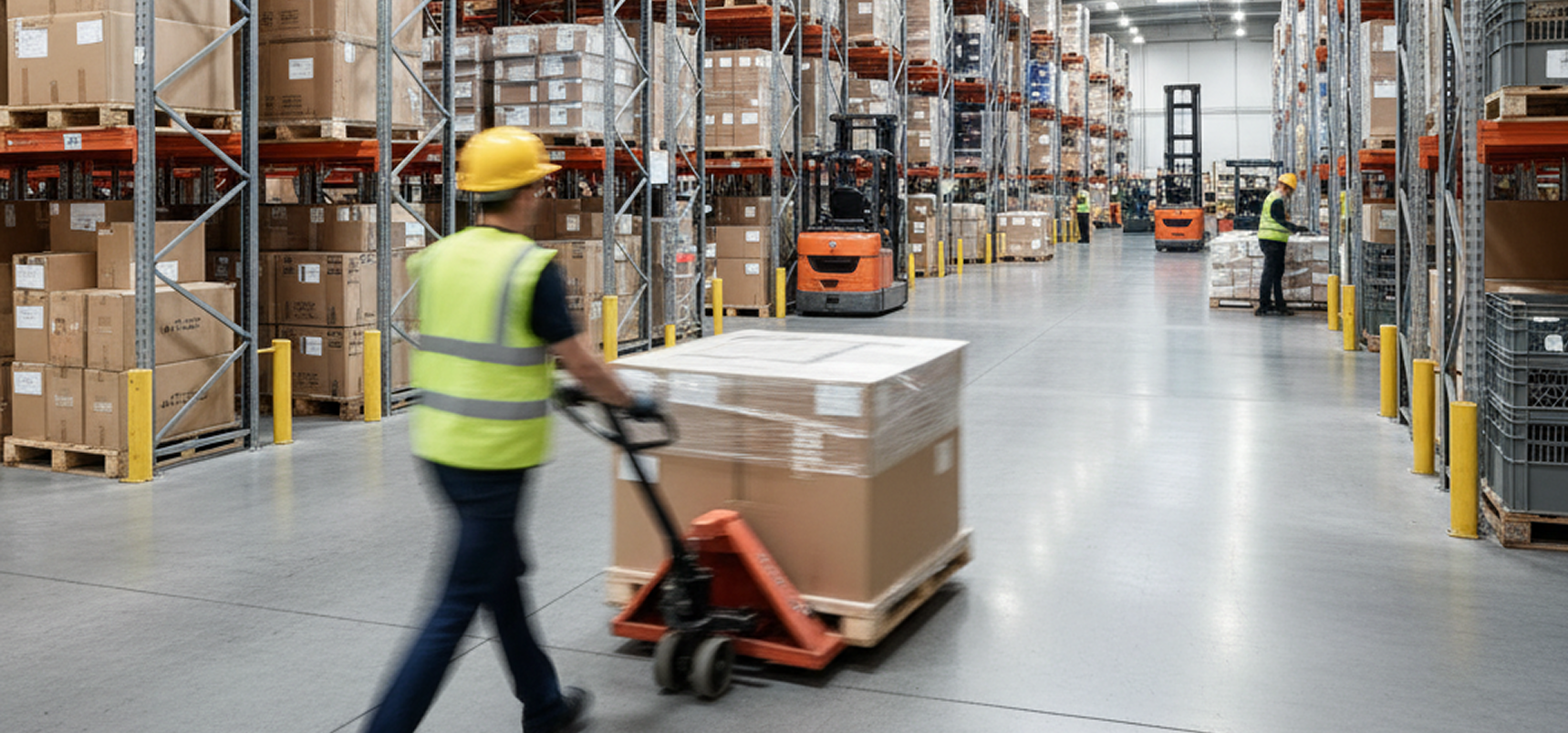
The search results do not contain specific warehouse space vacancy rates for Suzhou.
Lease Rates and Warehouse Classes
Suzhou warehouse lease rates range from ¥28 to ¥39 per square meter per month, with no explicit class information provided.
Major Warehouse Districts
Prologis Suzhou Jinchang Logistics Center, Prologis Suzhou Xuguan Logistics Center, Suzhou National New & Hi-tech Industrial Development Zone, and surrounding areas like Changshu, Taicang, and Zhangjiagang ports.
Last-Mile Delivery Infrastructure
Suzhou’s last-mile delivery infrastructure features smart logistics parks, digitalized parcel distribution centers, automated delivery vehicles, and 24-hour smart lockers, supported by major e-commerce and logistics companies to enable rapid, efficient, and low-carbon urban deliveries.
Automation and Technology Adoption
Warehouse automation in Suzhou is rapidly advancing, with companies adopting smart warehousing systems, robotics, IoT, AI, and cloud-based platforms to enhance storage efficiency, real-time monitoring, and overall operational integration across diverse industries.
Cold Storage and Specialty Warehousing
Suzhou hosts advanced cold storage facilities including a 25,000 square meter logistics warehouse with multiple temperature zones and GMP-compliant pharmaceutical storage facilities in the free trade zone offering ambient to frozen temperature control.
Supply Chain Analysis
Key Industries
Key industries and economic sectors in Suzhou include manufacturing (electronics, electrical machinery, iron and steel, textiles), high-tech industries (information technology, integrated circuits, artificial intelligence, nanotechnology, biomedicine), new energy, new materials, precision machinery, and a growing modern service sector including tourism.
Major Logistics Providers
Prologis, M9 Logistics, DSV, Hankyu Hanshin Express Co., Ltd.
Import/Export Volumes and Trading Partners
The search results do not contain specific import/export volume data or trading partner information for Suzhou city specifically, only references to individual Suzhou companies and national China trade statistics.
Supply Chain Resilience
Supply chain resilience in Suzhou is strengthened by collaborative networks and adaptive resource allocation, but faces risk factors from sudden disruptions, demographic shifts, and regulatory challenges.
Local Manufacturing Capabilities
Suzhou has advanced local manufacturing capabilities in precision plastics, electronic components, medical and pharmaceutical production, and high-precision machinery, including injection molding, tool design, EDM machine production, and small molecule drug manufacturing.
Industry Clusters
The main industry clusters in Suzhou are advanced manufacturing (including high-end scientific instruments, iron and steel, precision machinery), information technology and electronics, biomedicine, new materials, auto parts, fine chemicals, textiles, and modern services such as R&D and finance.
Competitive Advantages
Suzhou’s key competitive advantages as a logistics/business hub are its prime location near Shanghai, advanced transportation networks, robust industrial parks, modern logistics infrastructure, and strong government support for innovation and investment.
Infrastructure Assessment
Detailed evaluation of Suzhou's infrastructure quality, investment projects, utility systems, and environmental considerations for strategic planning.
Quality and Capacity
Suzhou demonstrates strong infrastructure quality and capacity with comprehensive industrial systems, abundant innovation resources, and excellent business environment supporting its goal of 4.8 trillion yuan industrial output by 2025.
Planned Investments
Suzhou plans to invest in 468 key projects, including 418 implementation projects and 50 reserve projects, with a total investment of 1.45 trillion yuan and an annual planned investment of 230.1 billion yuan, focusing on strategic emerging industries, advanced manufacturing, and infrastructure development.
Utilities Reliability and Costs
Suzhou features extensive underground power lines, advanced water management with smart monitoring, and robust internet infrastructure supporting its smart city initiatives.
Environmental Factors
Environmental factors affecting logistics in Suzhou include increasing urban transport-related emissions and efforts to reduce carbon emissions through improved public transportation infrastructure.
