Tianjin
Tianjin has modern, well-developed infrastructure with extensive public transport, upgraded roads, improved pedestrian and cycling facilities, and enhanced utilities, making it a model for sustainable urban development in China.
13.913.9 M+
Population
175175 km²
Area
22,27822,278 /km²
Density
Growth Trends
233.2K
The projected net population growth in Tianjin for 2024 is 233,000.
Working-Age Population
69.7%
80.0% of the EU population aged 20–64 is of working age, with cities showing the highest activity rate at 80.8%.
Employment Rates
Key industries include manufacturing, high-tech, finance, and logistics, with major corporations like COSCO, China Bohai Bank, and HNA Technology playing significant roles.
Educational Attainment
Tertiary attainment among young adults aged 25-34 in OECD countries increased from 45% in 2019 to 48% in 2024 placing it among top OECD nations.
Foreign Residents
Foreign residents data not available
Ethnic Composition
Foreign residents in Tianjin surpassed 0.29 million in 2024, making up about 2% of the city population, with largest groups from South Korea, Japan, and the United States.
Commuting
The Tianjin metropolitan area has extensive commuting patterns, with millions of people traveling daily, primarily by rail, from suburban districts into the central city for work.
Migration Patterns
Tianjin continues to attract residents from other regions with a net inflow of BLANK people in 2024.
Average Income
14.1K
The average annual income in Tianjin is about ¥100,260 though more than half earn less than this amount.
Transportation & Logistics Overview
Warehousing & Fulfillment Landscape
Space and Vacancy Rates
17.8%
Lease Rates and Warehouse Classes
Warehouse lease rates in Tianjin range from 18 to 27 yuan per square meter per month, with available spaces varying significantly across different districts.
Major Warehouse Districts
Goodman Xiqing Logistics Park, Prologis Tianjin Jinnan Logistics Center, Tangguantun Processing and Logistics Zone, Tianjin Port Dongjiang Area, Tianjin Unilion Supply Chain in Tianjin Port Free Trade Zone.
Last-Mile Delivery Infrastructure
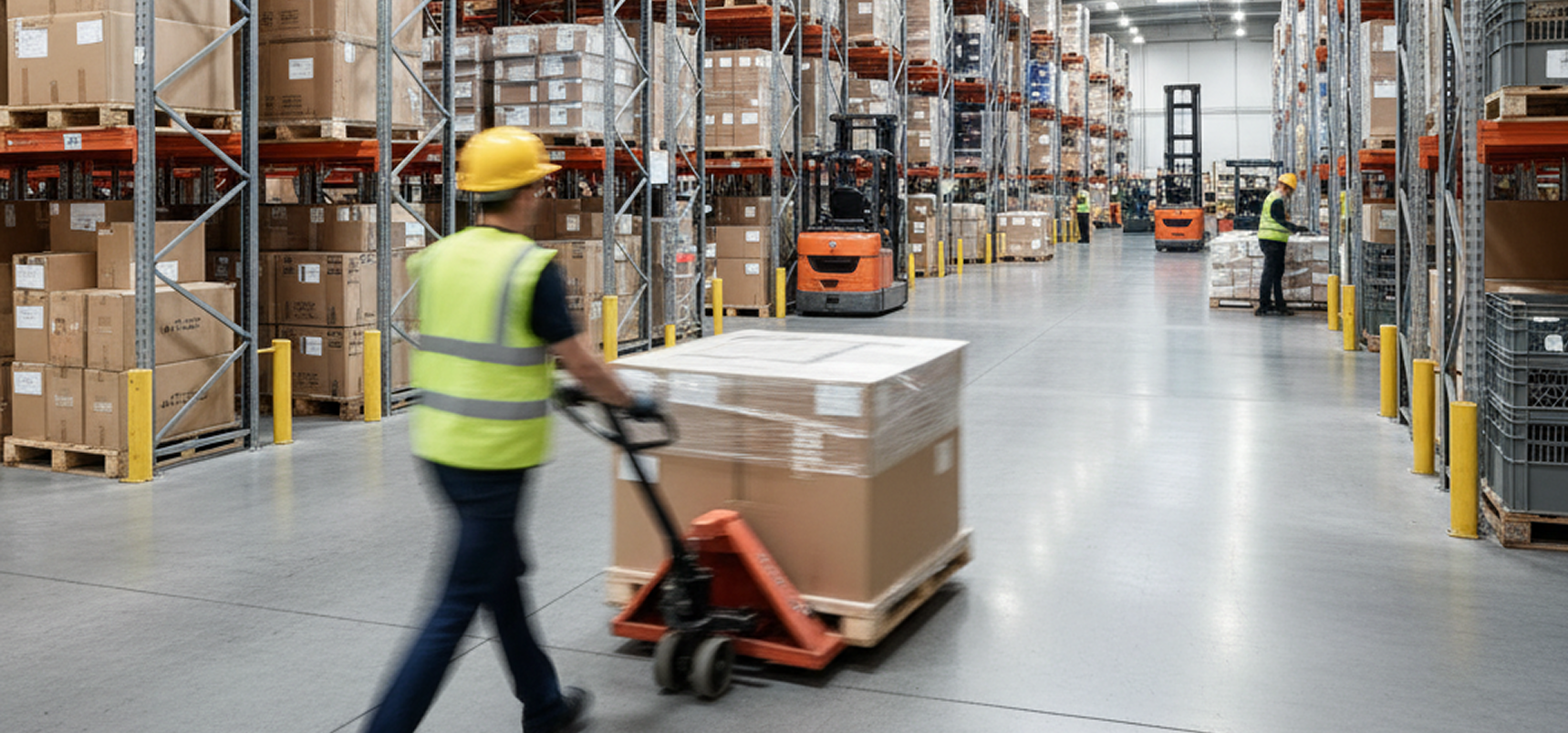
Tianjin’s last-mile delivery infrastructure is supported by advanced logistics parks and fulfillment centers that leverage automation, IoT, and AI for efficient, flexible, and scalable order processing and distribution.
Automation and Technology Adoption
Tianjin has emerged as a leading hub for advanced warehouse automation, featuring cutting-edge technologies like stacker cranes with millimeter-precision placement, fully automated storage and retrieval systems, AI-powered robotics including suction-based bin-picking robots, and integrated intelligent control systems that achieve seamless operations with picking speeds of 100+ totes per hour across industries from medical devices to general logistics.
Cold Storage and Specialty Warehousing
Tianjin features extensive cold storage and specialty warehousing facilities, including large-scale bonded cold storage in the Tianjin Port Free Trade Zone and advanced automated warehousing systems, supporting a robust cold chain network with multiple logistics bases and facilities.
Supply Chain Analysis
Key Industries
Manufacturing, aerospace and aviation, petrochemical, equipment manufacturing, electronics, biotechnology, alternative energy, new materials, national defense technology, light industry, textile industry, finance, logistics, and modern services.
Major Logistics Providers
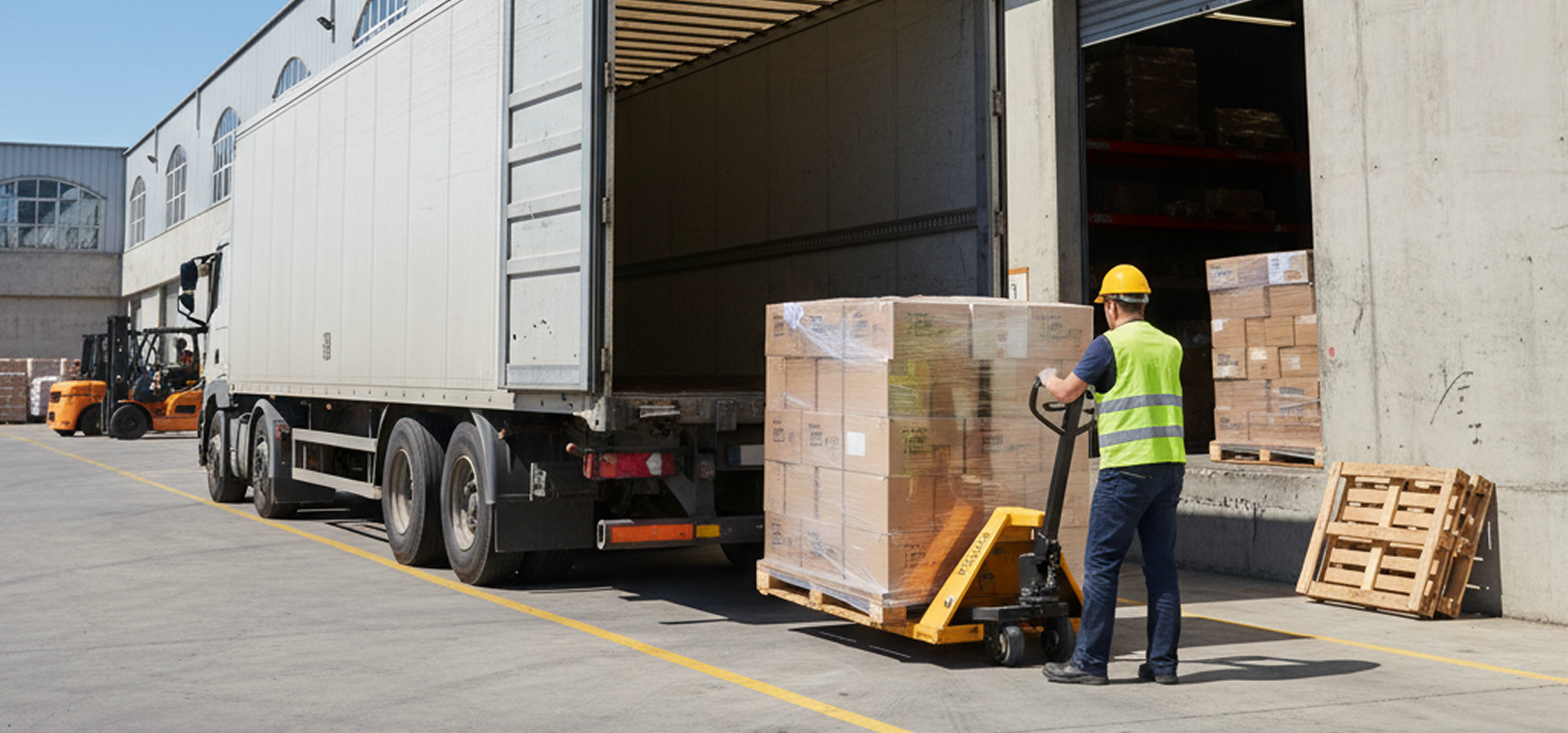
Major logistics and supply chain providers operating in Tianjin include Schenker China Ltd., Kuehne+Nagel, DSV, Expeditors, CEVA Freight, C.H. Robinson, SINO Shipping, and Logistics Plus.
Import/Export Volumes and Trading Partners
Tianjin's import and export volumes reached 2.01 trillion yuan, with exports at 1.06 trillion yuan and imports at 950 billion yuan, and key trading partners include countries along the Belt and Road and RCEP members.
Supply Chain Resilience
Tianjin's supply chain resilience was tested by the 2015 port explosion, highlighting vulnerabilities but also demonstrating adaptability through regional logistics and diversified supply networks.
Local Manufacturing Capabilities
Tianjin has advanced and diversified manufacturing capabilities, including major production in wind turbines, precision machinery, electronics, biomedicine, petrochemicals, aerospace, and intelligent manufacturing technologies.
Industry Clusters
Tianjin's main industry clusters include electronics and telecommunications, automobiles, biopharmaceuticals, food and beverage, machinery manufacturing, aerospace, new energy, new materials, petrochemicals, and modern services.
Competitive Advantages
Tianjin’s key competitive advantages as a logistics/business hub are its strategic location near Beijing, world-class port infrastructure, cost-effective warehousing, integrated transport networks, proximity to major manufacturing centers, and efficient customs clearance.
Infrastructure Assessment
Detailed evaluation of Tianjin's infrastructure quality, investment projects, utility systems, and environmental considerations for strategic planning.
Quality and Capacity
Tianjin’s infrastructure quality and capacity are high, with significant recent investments making it a national model for sustainable transport and robust economic growth, though some projects have faced issues of congestion or underutilization.
Planned Investments
Tianjin is undertaking significant infrastructure investments, including 21 key construction projects at Tianjin Port with a total investment of approximately 19.5 billion yuan, and broader urban development focusing on intelligent manufacturing and industrial upgrades.
Utilities Reliability and Costs
Tianjin's utility infrastructure includes advanced power systems integrating new energy sources, significant investments in urban transport and infrastructure, but specific details on water and internet infrastructure are not provided.
Environmental Factors
Key environmental factors affecting logistics in Tianjin include carbon emissions, energy efficiency, urbanization-driven greenhouse gas output, and rainwater management challenges related to impermeable surfaces.
