Tokyo
Tokyo’s infrastructure is widely regarded as modern, efficient, and resilient, though ongoing challenges include maintenance and upgrades due to aging assets.
14.114.1 M+
Population
2,1942,194 km²
Area
6,2646,264 /km²
Density
Growth Trends
79.3K
The projected net population growth in Tokyo for 2024 is 79,285.
Working-Age Population
58.8%
67% of the population in regions like Advanced Asia, Central and Eastern Europe, North America, Western Europe, and Greater China is of working age.
Employment Rates
Key industries include manufacturing, information technology, retail and transport, with major corporations like Toyota, Sony, and Japan Airlines playing significant roles.
Educational Attainment
Tertiary attainment among young adults aged 25-34 in Japan increased from 62% in 2019 to 66% in 2024, placing it among top OECD nations.
Foreign Residents
The average income for foreign residents in Tokyo is about 6.91 million yen, with approximately 50% earning less.
Ethnic Composition
Foreign residents in Tokyo surpassed 738,000 in 2024, making up about 5.15% of the city population, with the largest groups from China, South Korea, and Vietnam.
Commuting
Each day, an estimated 40 million rail trips are made in the Tokyo metropolitan area, with most commuters traveling from suburban residential districts into central Tokyo for work.
Migration Patterns
Tokyo continues to attract residents from other regions with a net inflow of 79,285 people in 2024.
Average Income
5.8M
The average annual income in Tokyo is about 6.9 million yen, though more than half earn less than this amount.
Transportation & Logistics Overview
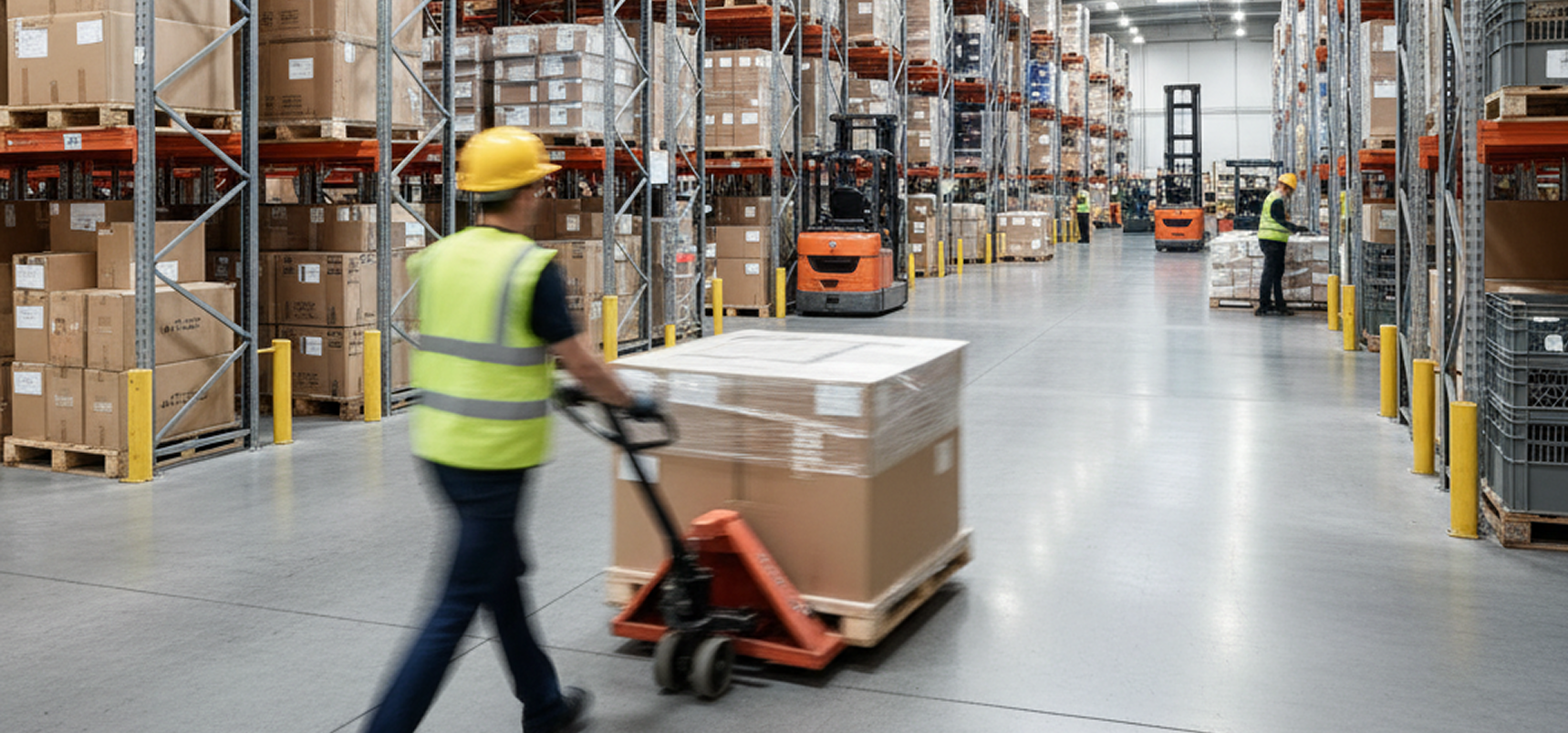
Warehousing & Fulfillment Landscape
Space and Vacancy Rates
11.1%
Lease Rates and Warehouse Classes
Warehouse lease rates in Tokyo typically range from about 4,400 to 17,845 yen per tsubo per month depending on location and facility class, with newer or larger logistics facilities generally commanding higher rates.
Major Warehouse Districts
Koto (Shinsuna), Ota (Heiwajima, Keihinjima), Rinko Wharf, East Port, Chūō, Odaiba, Minato.
Last-Mile Delivery Infrastructure
Tokyo’s last-mile delivery infrastructure relies on urban logistics hubs, localized warehouses, and smart technologies to enable fast, efficient, and increasingly eco-friendly deliveries in dense urban areas.
Automation and Technology Adoption
Tokyo warehouses are rapidly adopting advanced automation technologies such as AGVs, AMRs, AI-powered management systems, and high-density storage solutions to address labor shortages and boost logistics efficiency.
Cold Storage and Specialty Warehousing
Cold storage and specialty warehousing facilities in Tokyo provide advanced, temperature-controlled environments for safe storage of perishable goods, utilizing cutting-edge technology and large-scale logistics networks to support industries like food, pharmaceuticals, and chemicals.
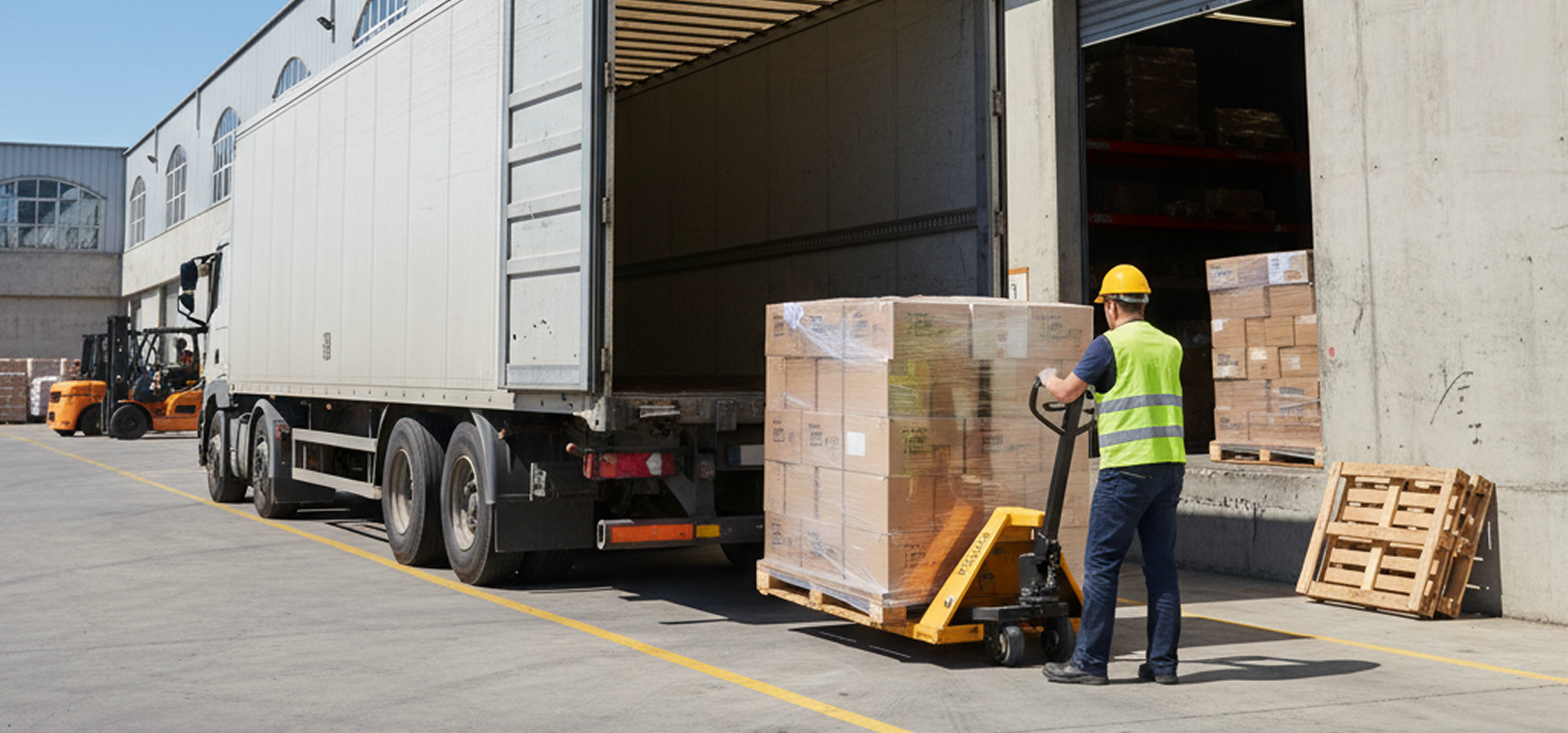
Supply Chain Analysis
Key Industries
Wholesale and retail, real estate, professional/scientific/technical services, information and communications, finance and insurance, manufacturing (electronics, automobiles, machinery), healthcare, and environmental/ICT sectors.
Major Logistics Providers
Yamato Logistics, Sagawa Express, Nippon Express, Japan Post, Kintetsu World Express (KWE), FedEx, UPS, Omni Logistics, Ezbuy Japan, Isewan Terminal Service, MOL Logistics Global, Transcontainer Limited, OIA Global, Scan Global Logistics, Crown Logistics, Franco Vago Japan, Leschaco Japan KK, Azuma Shipping.
Import/Export Volumes and Trading Partners
Tokyo's June 2025 import volume was ¥1.53 trillion and export volume was ¥689 billion, with key trading partners including China, the United States, South Korea, and Taiwan.
Supply Chain Resilience
Tokyo’s supply chain resilience is strengthened by advanced technology, international collaboration, and digitalization, but faces risk factors including geopolitical tensions, raw material dependencies, and vulnerabilities in logistics and supplier concentration.
Local Manufacturing Capabilities
Tokyo has extensive local manufacturing capabilities, featuring thousands of small factories specializing in light engineering, metal processing, machinery, electronics, and advanced equipment for industries such as semiconductors and automobiles.
Industry Clusters
Tokyo's main industry clusters include finance, information technology, electronics, light engineering, pharmaceuticals, biotechnology, food, and precision manufacturing.
Competitive Advantages
Strategic location in Asia, world-class infrastructure, advanced automation, resilient supply chains, and direct access to major regional and global markets.
Infrastructure Assessment
Detailed evaluation of Tokyo's infrastructure quality, investment projects, utility systems, and environmental considerations for strategic planning.
Quality and Capacity
Tokyo has world-class, resilient infrastructure with high capacity, advanced technology, and strong disaster preparedness, consistently ranking among the best globally.
Planned Investments
Tokyo is undergoing major infrastructure investments through 2025, including large-scale redevelopment projects in Shinagawa, Yaesu, Nihonbashi, and Shibuya focused on mixed-use spaces, enhanced transportation hubs, sustainability, and improved urban connectivity.
Utilities Reliability and Costs
Tokyo has highly reliable and advanced utility infrastructure, with robust electricity distribution (including extensive underground lines), a world-leading water system with minimal leakage, and widespread high-speed internet connectivity.
Environmental Factors
Key environmental factors affecting logistics in Tokyo include air pollution, strict emissions regulations, the push for green logistics, adoption of zero-emission vehicles, modal shifts to rail and sea, and efforts to reduce plastic and resource waste.
