Toronto
Toronto’s infrastructure quality is generally moderate, with ongoing improvements in green and digital infrastructure, but residents report only moderate satisfaction and desire more visible progress, especially in transit and road management.
2.82.8 M+
Population
630630 km²
Area
4,4284,428 /km²
Density
Growth Trends
268.9K
The projected net population growth in Toronto for 2024 is 269,000.
Working-Age Population
69%
67% of the population in Emerging Asia, India, Latin America, the Caribbean, and the Middle East and North Africa is of working age.
Employment Rates
Key industries include finance, technology, real estate, and manufacturing, with major corporations like Royal Bank of Canada, Toronto-Dominion Bank, and PepsiCo playing significant roles.
Educational Attainment
Tertiary attainment among young adults aged 25-34 in OECD countries increased from 45% in 2019 to 48% in 2024 placing it among top OECD nations.
Foreign Residents
The average income for foreign residents in Toronto is about 4.9 million yen, with 50% earning less.
Ethnic Composition
Foreign residents in Toronto surpassed 3.3 million in 2024, making up about 47% of the city population, with the largest groups from the Philippines, China, and India.
Commuting
The Toronto metropolitan area, home to nearly 7 million people, sees millions commuting daily, with 50-minute average public transit commutes from suburbs to the city core for work.
Migration Patterns
Toronto continues to attract residents from other regions with a net inflow of 268,911 people in 2024.
Average Income
97K
The average annual income in Toronto is about 9.7 million yen, though more than half earn less than this amount.
Transportation & Logistics Overview
Warehousing & Fulfillment Landscape
Space and Vacancy Rates
2.1%
Lease Rates and Warehouse Classes
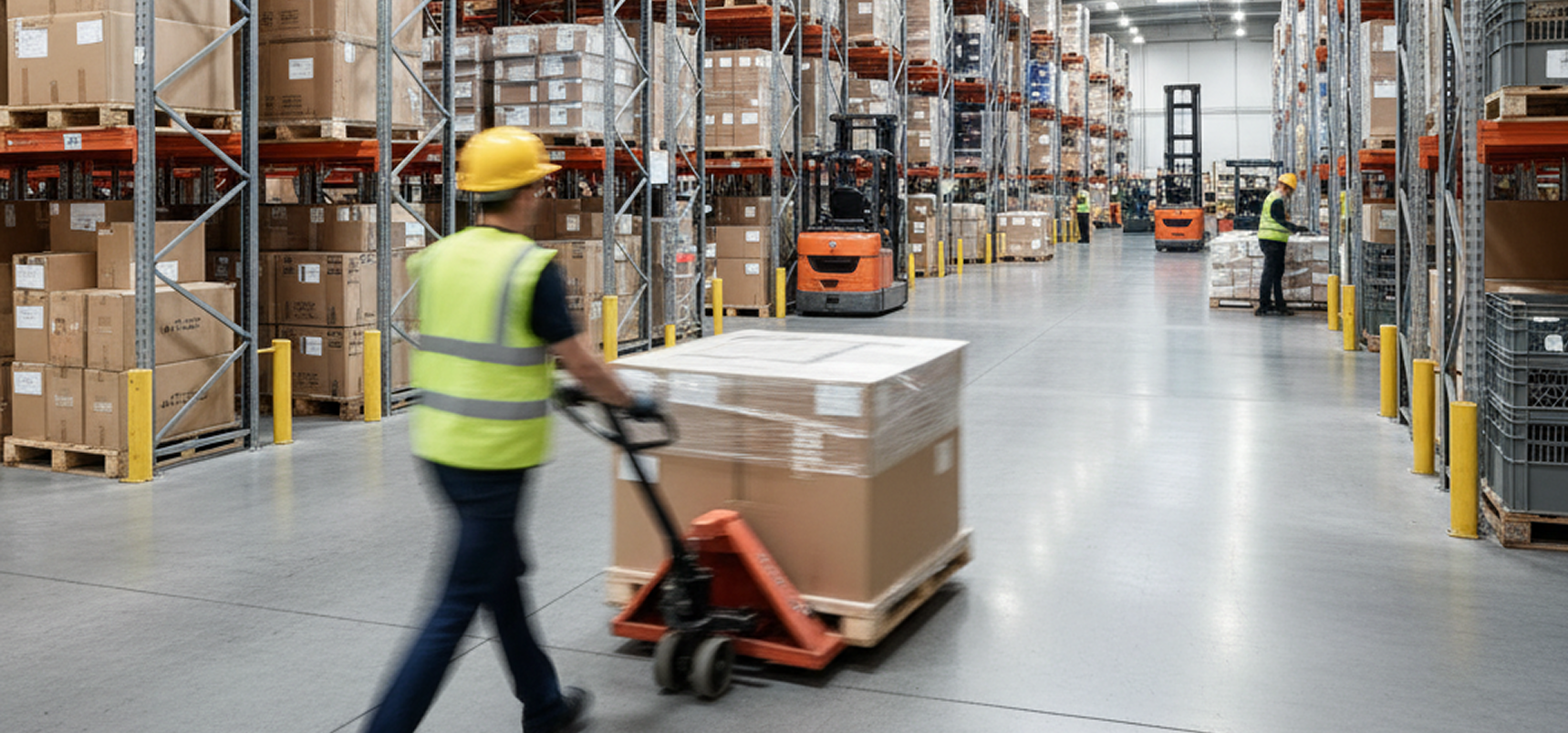
Warehouse lease rates in Toronto typically range from $11 to $22 per square foot per year, with higher rates for newer or specialized Class A spaces and lower rates for basic or older Class B/C warehouses.
Major Warehouse Districts
Brampton, Mississauga, Vaughan, Caledon, Halton Hills, Milton, Hamilton, City of Toronto, Concord, Guelph, Oshawa, Markham.
Last-Mile Delivery Infrastructure
Toronto’s last-mile delivery infrastructure consists of strategically located warehouses, advanced logistics technology, and a network of carriers using electric vehicles and real-time tracking to enable fast, flexible, and sustainable deliveries across the city.
Automation and Technology Adoption
Toronto warehouses are rapidly adopting automation technologies such as autonomous mobile robots, automated guided vehicles, warehouse management systems, and AI-driven analytics to boost efficiency, reduce labor costs, and optimize operations.
Cold Storage and Specialty Warehousing
Cold storage and specialty warehousing facilities in Toronto provide temperature-controlled environments for the safe storage and handling of perishable goods, offering customizable solutions for industries such as food, pharmaceuticals, and beverages.
Supply Chain Analysis
Key Industries
Finance, technology, real estate, manufacturing, media and entertainment, education, design, fashion, food and beverage, transportation, and tourism.
Major Logistics Providers
GoBolt, Nulogy, Arrive Logistics, Tyltgo, NuPort Robotics, InterFulfillment, SHIPHYPE Fulfillment, Falcon International, 18 Wheels Warehousing, Omni Logistics, Crane Worldwide Logistics, FleetOps AI, Terminal Technologies, Vanderlande, Pink Bot, Boxhub, Borderworx Logistics, G.O.S.S. Industries International Inc., CMI GROUP.
Import/Export Volumes and Trading Partners
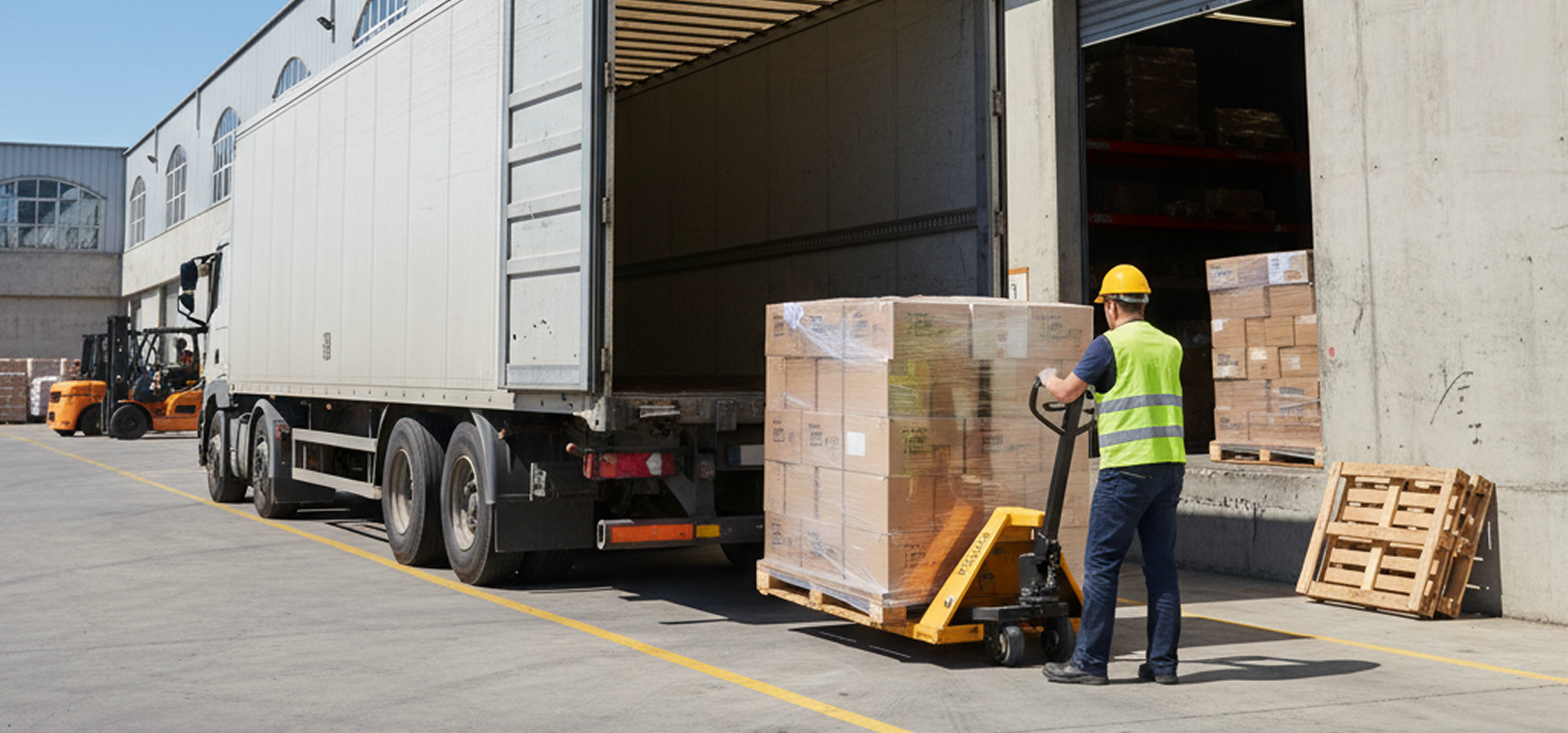
Toronto’s import and export volumes are substantial, with key trading partners including the United States, China, Mexico, Germany, Japan, and the United Kingdom, reflecting Canada’s strong North American integration and significant ties to Asia and Europe.
Supply Chain Resilience
Toronto’s supply chain resilience is challenged by trade policy uncertainty, rising costs, labor shortages, and the need for technological adoption, with risk factors including cross-border tariffs, supplier concentration, market variability, and sustainability pressures.
Local Manufacturing Capabilities
Toronto's manufacturing capabilities are bolstered by its strategic location, skilled workforce, and robust infrastructure, supporting sectors like electronics, automotive, food and beverage, and pharmaceuticals.
Industry Clusters
Toronto's main industry clusters include business and professional services, financial services, automotive, information technology and telecommunications, tourism and hospitality, media, biomedical and biotechnology, food and beverages, apparel and textiles, aerospace, and emerging sustainable transportation sectors including micromobility and EV charging.
Competitive Advantages
Strategic geographic location, robust multi-modal infrastructure, large skilled labor pool, proximity to major markets, competitive pricing, and advanced logistics technology.
Infrastructure Assessment
Detailed evaluation of Toronto's infrastructure quality, investment projects, utility systems, and environmental considerations for strategic planning.
Quality and Capacity
Toronto’s infrastructure is generally reliable and well-managed, but faces capacity pressures and aging assets, with moderate public satisfaction and ongoing investment needed to maintain and upgrade core systems.
Planned Investments
Toronto’s 10-Year Capital Plan includes nearly $60 billion in infrastructure investments focused on transit, roads, water, community facilities, and renewal projects to reduce the infrastructure backlog and support population growth.
Utilities Reliability and Costs
Toronto’s utility infrastructure features ongoing modernization of its aging power grid, an extensive municipal water system, and widespread internet connectivity supported by multiple providers.
Environmental Factors
Key environmental factors affecting logistics in Toronto include the push for green transportation (like electric vehicles), energy-efficient warehousing, sustainable packaging, route optimization to reduce emissions, and increasing consumer and regulatory demand for eco-friendly practices.
