Washington
Washington’s infrastructure quality is rated average, with significant maintenance backlogs and funding gaps, but recent investments aim to address aging systems and growing needs.
702,250702,250 M+
Population
177177 km²
Area
4444 /km²
Density
Growth Trends
79.4K
The projected net population growth in Washington for 2024 is 84,550.
Working-Age Population
79.4%
67% of the global population is of working age, with this share expected to decline in developed regions by 2050.
Employment Rates
Key industries include aerospace, information and communication technology, agriculture, and forestry, with major corporations like Boeing, Microsoft, Amazon, and Weyerhaeuser playing significant roles.
Educational Attainment
Tertiary attainment among young adults aged 25-34 in OECD countries increased from 45% in 2019 to 48% in 2024, placing it among top OECD nations.
Foreign Residents
The average income for foreign residents in Washington is about 14.1 million yen with 25% earning less.
Ethnic Composition
Foreign residents in Washington surpassed 95,000 in 2024, making up about 14% of the city population, with the largest groups from El Salvador, Ethiopia, Mexico, China, and India.
Commuting
671,678 people work in Washington, D.C., with 33.5% commuting from Maryland suburbs and 22.7% from Northern Virginia, and only 28% living within the city.
Migration Patterns
Washington continues to attract residents from other regions with a net inflow of 69,100 people in 2024.
Average Income
95K
The average annual income in Washington is about 9.5 million yen, though more than half earn less than this amount.
Transportation & Logistics Overview
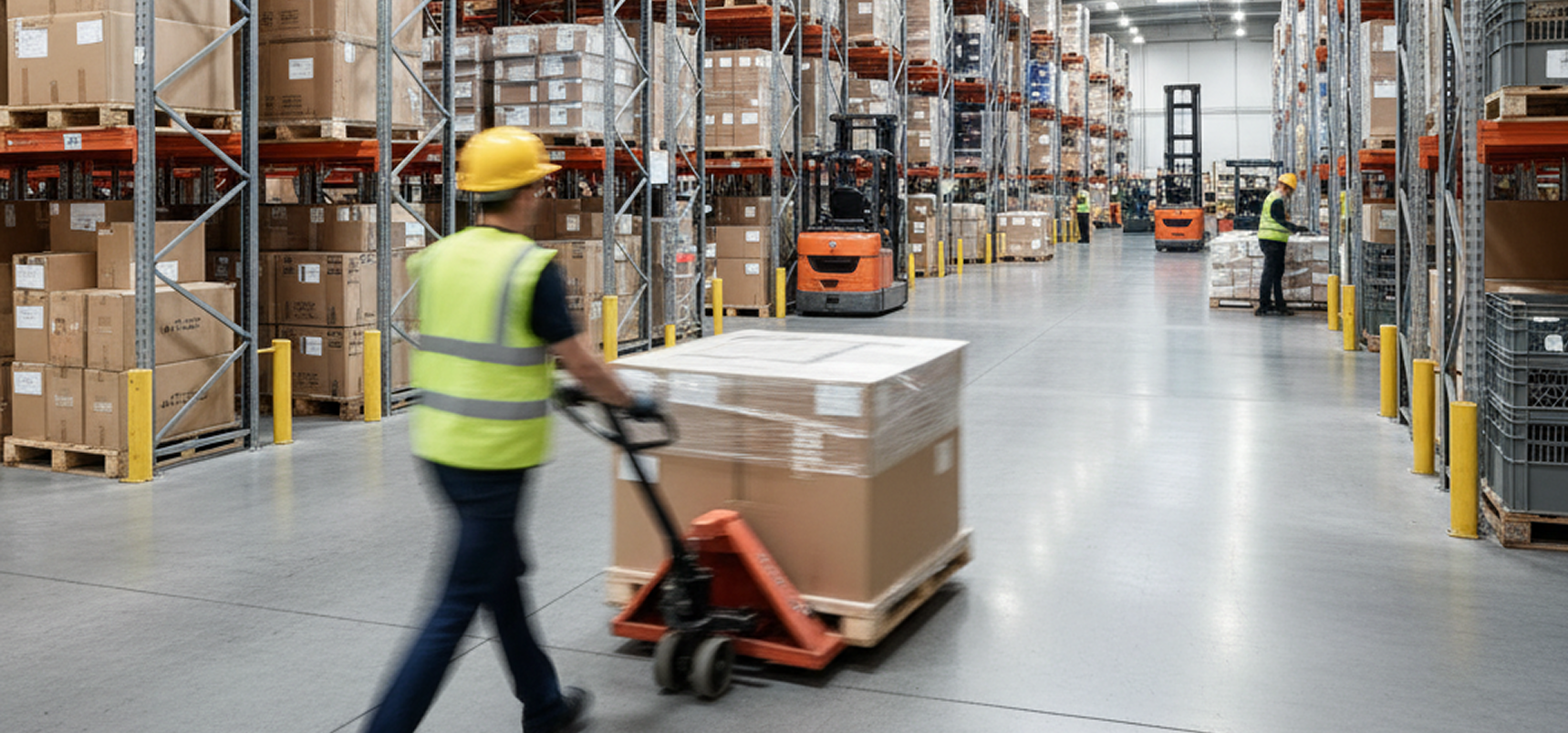
Warehousing & Fulfillment Landscape
Space and Vacancy Rates
7.2%
Lease Rates and Warehouse Classes
Warehouse lease rates in Washington for 2025 typically range from $8 to $19 per square foot annually depending on location and building class, with Seattle among the highest and rates varying by property age, ceiling height, and amenities.
Major Warehouse Districts
Seattle, Kent Valley, Tacoma, Everett, Renton, Sumner, Fife, Lacey, Tukwila, Mount Vernon, Ferndale, and major port areas including the Northwest Seaport Alliance (Seattle and Tacoma).
Last-Mile Delivery Infrastructure
Washington’s last-mile delivery infrastructure includes experimental zero-emissions delivery hubs, new freight expressways like SR 509, pop-up warehouses, and multimodal transit access strategies to improve efficiency and reduce environmental impact.
Automation and Technology Adoption
Warehouse automation in Washington is rapidly advancing, with major facilities like Amazon’s Arlington hub integrating robotics, automated storage systems, and real-time data technologies to streamline operations and boost efficiency.
Cold Storage and Specialty Warehousing
Cold storage and specialty warehousing facilities in Washington offer temperature-controlled environments for storing frozen and chilled goods, with services such as blast freezing, cross-docking, repacking, and integrated logistics for industries like food and pharmaceuticals.
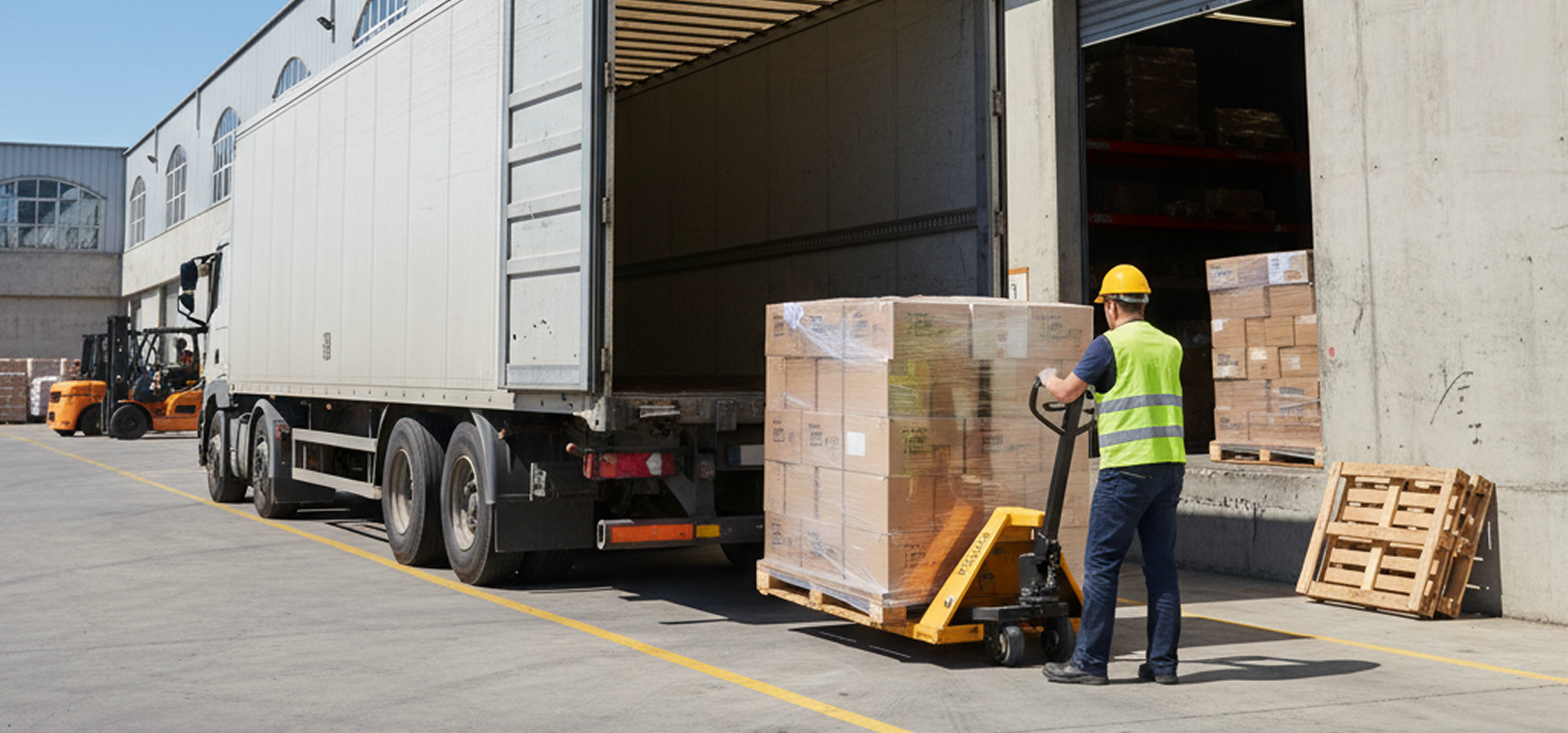
Supply Chain Analysis
Key Industries
Aerospace, agriculture and food manufacturing, clean technology, creative economy, forest products, information and communications technology, life sciences and global health, maritime, military and defense, and tourism.
Major Logistics Providers
Quickbox Fulfillment, PNW Warehousing, OEC Group, Expeditors, FLEXE, Truman Truck Lines, GSC Logistics, Holman Logistics, Gleam Transportation, Becker Trucking, Radiant Logistics Inc., freightmate Ai, Manifold Freight, Veeqo, Specialty Cargo Inc., Freight Sector Inc., Pacific RIM Shipbrokers Inc., Vivoz Transportation LLC, Cole International, Stryder Motorfreight USA, Logic‑ology.
Import/Export Volumes and Trading Partners
Washington exported about $57.8 billion and imported about $122.2 billion in recent years, with key trading partners including China, Canada, and Japan.
Supply Chain Resilience
Washington’s supply chain resilience is challenged by reliance on global suppliers, limited transparency, and vulnerability to disruptions, but proactive risk management and new federal initiatives are aiming to strengthen critical industries and reduce future risks.
Local Manufacturing Capabilities
Washington has robust local manufacturing capabilities across key sectors including aerospace, agriculture and food processing, clean technology, forest products, information and communications technology, life sciences, and maritime industries.
Industry Clusters
Aerospace, agriculture, clean technology, forestry products, information and communication technology, life sciences, maritime, and military are the main industry clusters in Washington.
Competitive Advantages
Strategic Pacific Rim location, major seaports and airport, robust multimodal transport, skilled workforce, low operating costs, and strong industry synergies.
Infrastructure Assessment
Detailed evaluation of Washington's infrastructure quality, investment projects, utility systems, and environmental considerations for strategic planning.
Quality and Capacity
Washington’s infrastructure quality is generally strong but faces urgent capacity challenges, especially in transportation and electric grid modernization, requiring significant upgrades to meet future demand.
Planned Investments
Washington is planning major infrastructure investments through its 2025-27 transportation budget of $15.5 billion, increased gas taxes and EV fees, federal funding for roads, bridges, broadband, clean water, and EV charging, and targeted grants for transit and sustainability projects.
Utilities Reliability and Costs
Washington's utility infrastructure is primarily powered by hydroelectric energy, which accounts for a significant portion of its electricity needs, offering some of the lowest power rates in the nation. The state also has a robust internet and telecommunications infrastructure, supporting businesses and remote work. Water utilities are managed by various local and municipal providers.
Environmental Factors
Key environmental factors affecting logistics in Washington include air pollution from transportation, greenhouse gas emissions, hazardous waste transport, water quality impacts from shipping, and the need for cleaner, zero-emission vehicles to protect vulnerable communities.
