Wuhan
Wuhan’s infrastructure is modern and innovative, featuring efficient public transportation and advanced water management systems, though the city continues to face challenges from rapid urbanization and flood risks.
13.613.6 M+
Population
8,4948,494 km²
Area
1,2001,200 /km²
Density
Growth Trends
135.6K
The projected net population growth in Wuhan for 2024 is 135,630.
Working-Age Population
69.7%
65% of the world’s population is of working age, based on the global age dependency ratio of 54.74% in 2024.
Employment Rates
Key industries include optoelectronics, automotive manufacturing, and biotechnology, with major corporations like Yangtze Memory Technologies, Dongfeng Motor, and Fiberhome Telecommunications playing significant roles.
Educational Attainment
Tertiary attainment among young adults aged 25-34 in Portugal increased from 38% in 2019 to 43% in 2024, placing it among top OECD nations.
Foreign Residents
The average income for foreign residents in Wuhan is about 0.11 million yen with 50% earning less.
Ethnic Composition
Foreign residents in Wuhan surpassed 10,000 in 2024, making up about 0.1% of the city population, with the largest groups from South Korea, the United States, and Japan.
Commuting
In Wuhan, over 15% of commuters—hundreds of thousands daily—travel more than 60 minutes, primarily by rail, from suburban districts into the city center for work.
Migration Patterns
Wuhan continues to attract residents from other regions with a net inflow of 135,630 people in 2024.
Average Income
16K
The average annual income in Wuhan is about ¥110,134 RMB.
Transportation & Logistics Overview
Warehousing & Fulfillment Landscape

Space and Vacancy Rates
17.8%
Lease Rates and Warehouse Classes
Warehouse lease rates in Wuhan typically range from ¥13.50 to ¥75.00 per square meter per month, with available classes including large-scale, district-based, and flexible spaces.
Major Warehouse Districts
Jiangxia District (Miaoshan Development Zone), Yangluo Development Zone (Xinzhou District), Caidian District (Zhashan Street), and areas adjacent to Optical Valley.
Last-Mile Delivery Infrastructure
Wuhan’s last-mile delivery infrastructure features decentralized service centers, smart express boxes, micro-delivery vehicles, and parcel lockers to enable rapid, efficient, and technology-driven parcel distribution across the city.
Automation and Technology Adoption
Warehouse automation in Wuhan is advancing with the adoption of smart robotics and automated systems to improve efficiency, accuracy, and reduce manual labor in storage and replenishment operations.
Cold Storage and Specialty Warehousing
Wuhan hosts advanced cold storage facilities including an 80,000 cubic meter multi-temperature facility with -20°C deep freezing capabilities for food processing and logistics distribution.
Supply Chain Analysis
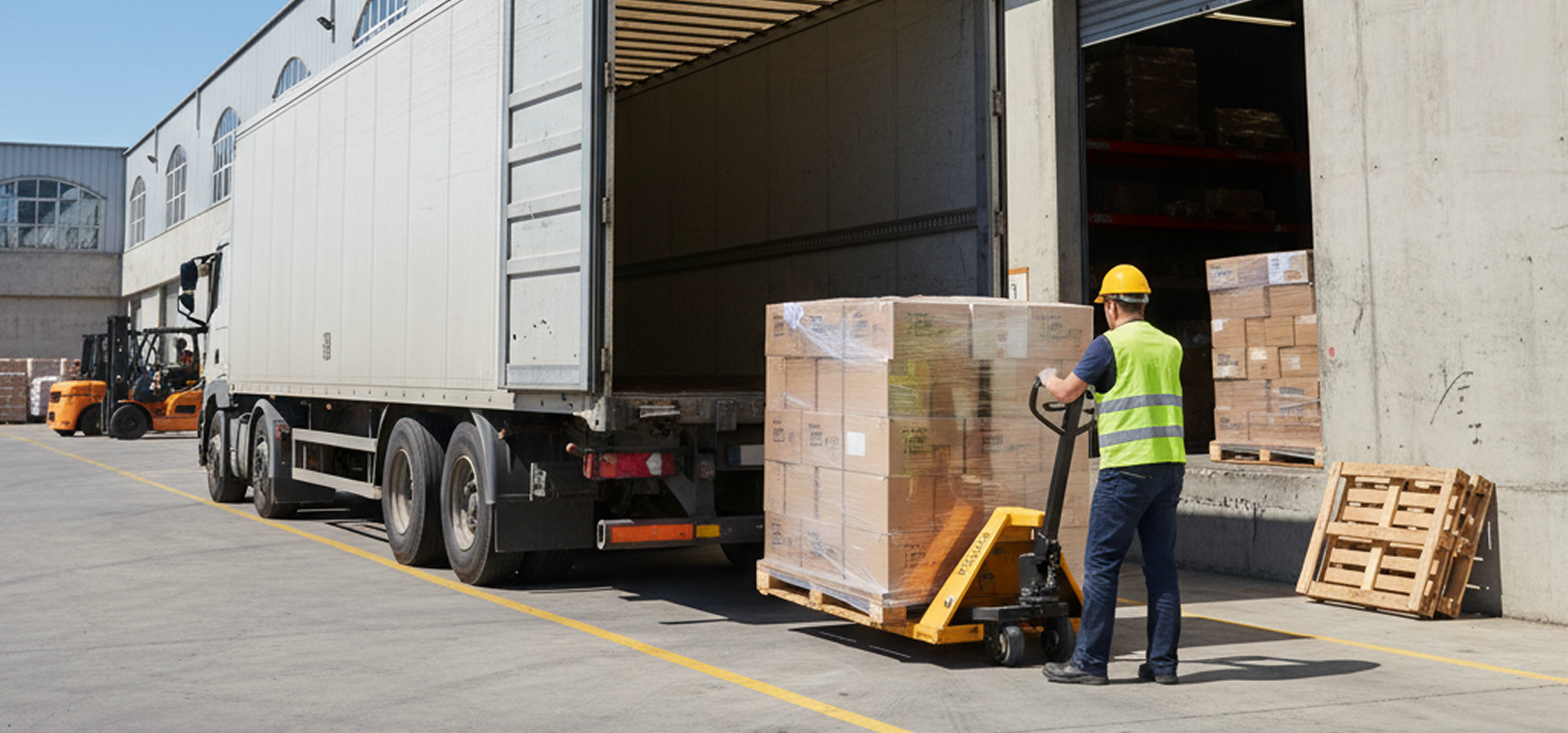
Key Industries
Automobile manufacturing, iron and steel, optical-electronics, pharmaceuticals, biotechnology, electronics, appliances, finance, trade, transportation, tourism, aerospace, new materials, and environmental protection.
Major Logistics Providers
Wuhan Jinyu Logistics, China Shipping Container Lines Hubei, Wuhan Bus Group, Hubei Zhanhao International Freight Forwarding, SF Express, JD Logistics, Yunda Express, YTO Express, Deppon Express, ANE Logistics, and Prologis operate major logistics and supply chain services in Wuhan.
Import/Export Volumes and Trading Partners
Wuhan's import and export volumes surged in the first half of 2025, with its top trading partners being the Association of Southeast Asian Nations (ASEAN), the European Union, and the United States.
Supply Chain Resilience
Wuhan’s supply chain resilience is challenged by geopolitical tensions, disrupted shipping routes, and tariff policies, but local agility and digital infrastructure enable rapid adaptation and recovery during disruptions.
Local Manufacturing Capabilities
Wuhan is a major manufacturing hub with strong capabilities in high-tech industries such as automotive, electronics, optoelectronics, and electric vehicle components, supported by several national-level industrial and high-tech development zones.
Industry Clusters
Wuhan’s main industry clusters are automobiles and auto parts, iron and steel, equipment manufacturing, petroleum and petrochemicals, optoelectronic communication, biomedicine, and integrated circuits.
Competitive Advantages
Superior multi-modal transportation network, central location connecting nine provinces, low business and logistics costs, robust industrial base, and direct international connectivity by land, water, and air.
Infrastructure Assessment
Detailed evaluation of Wuhan's infrastructure quality, investment projects, utility systems, and environmental considerations for strategic planning.
Quality and Capacity
Wuhan has modern, high-capacity infrastructure supporting transportation, utilities, and urban development, reflecting China's national emphasis on quality and efficiency in infrastructure growth.
Planned Investments
Planned infrastructure investments in Wuhan focus on expanding road networks, building new river-crossing channels, accelerating ring-road construction, improving urban transit, and supporting resource-saving and environment-friendly urban development.
Utilities Reliability and Costs
Wuhan has modern utility infrastructure with expanding power supply (e.g., new substations), comprehensive water and transportation networks, and advanced internet connectivity, especially in high-tech zones.
Environmental Factors
Key environmental factors affecting logistics in Wuhan include government regulation, waste management, energy savings, use of green materials, and greenhouse gas emissions from transportation.
