Xi'an
Xi'an has rapidly modernized its infrastructure in recent years, with significant improvements in transportation, housing, water management, and urban renewal projects.
1313 M+
Population
10,76210,762 km²
Area
2,5542,554 /km²
Density
Growth Trends
89.6K
The projected net population growth in Xi'an for 2024 is 208,240.
Working-Age Population
68.33%
67% of the European Union population is of working age (20–64 years) as of 2023, reflecting a gradual decline from previous years.
Employment Rates
Key industries include electronics, automobiles, aerospace, and biomedicine, with major corporations like BYD, Shaanxi Fast Auto Drive Group, and Xi'an Hi-tech Industries Development Zone playing significant roles.
Educational Attainment
Tertiary attainment among young adults aged 25-34 in Portugal increased from 38% in 2019 to 43% in 2024, placing it among top OECD nations.
Foreign Residents
The average income for foreign residents in Xi'an is about 384,500 CNY with 50% earning less than 415,900 CNY.
Ethnic Composition
Foreign residents in Xi'an surpassed 9,000 in 2024, making up about 0.09% of the city population, with largest groups from South Korea, the United States, Japan, and Pakistan.
Commuting
Xi'an Metro serves 3.81 million daily riders, connecting suburban and residential districts to the city center via 12 lines spanning 427.9 km with 270 stations as of January 2025.
Migration Patterns
208,240
Average Income
$9.6K
The average annual income in Xi'an is about 1.36 million yen, though more than half earn less than this amount.
Transportation & Logistics Overview
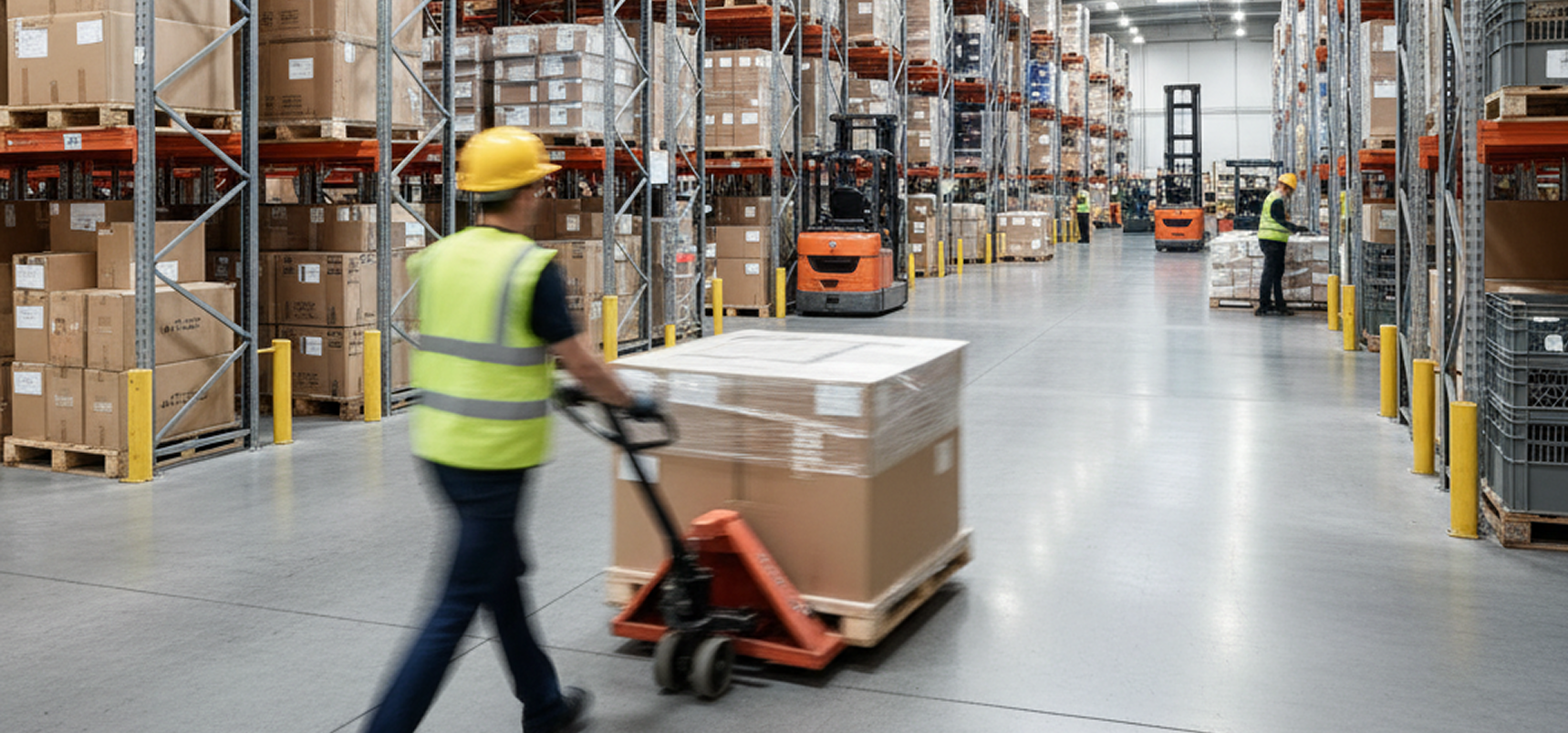
Warehousing & Fulfillment Landscape
Space and Vacancy Rates
17.8%
Lease Rates and Warehouse Classes
The search results do not contain specific information about warehouse lease rates and classes in Xi'an.
Major Warehouse Districts
Xi'an International Trade & Logistics Park, Xixian Airport Comprehensive Bonded Zone, Fengxi New Town Logistics Center
Last-Mile Delivery Infrastructure
Xi'an's last-mile delivery infrastructure features automated distribution facilities, real-time tracking, green transport options like delivery robots and drones, and smart pickup points integrated within a comprehensive logistics hub system.
Automation and Technology Adoption
Xi'an is rapidly adopting advanced warehouse automation technologies, integrating robotics, AI-driven logistics systems, and real-time sensor networks to streamline operations and boost efficiency across its logistics hubs.
Cold Storage and Specialty Warehousing
Cold storage and specialty warehousing facilities in Xi'an provide temperature-controlled environments ranging from frozen storage at -18°C to ambient conditions for preserving perishable goods across food, pharmaceutical, and other temperature-sensitive industries.
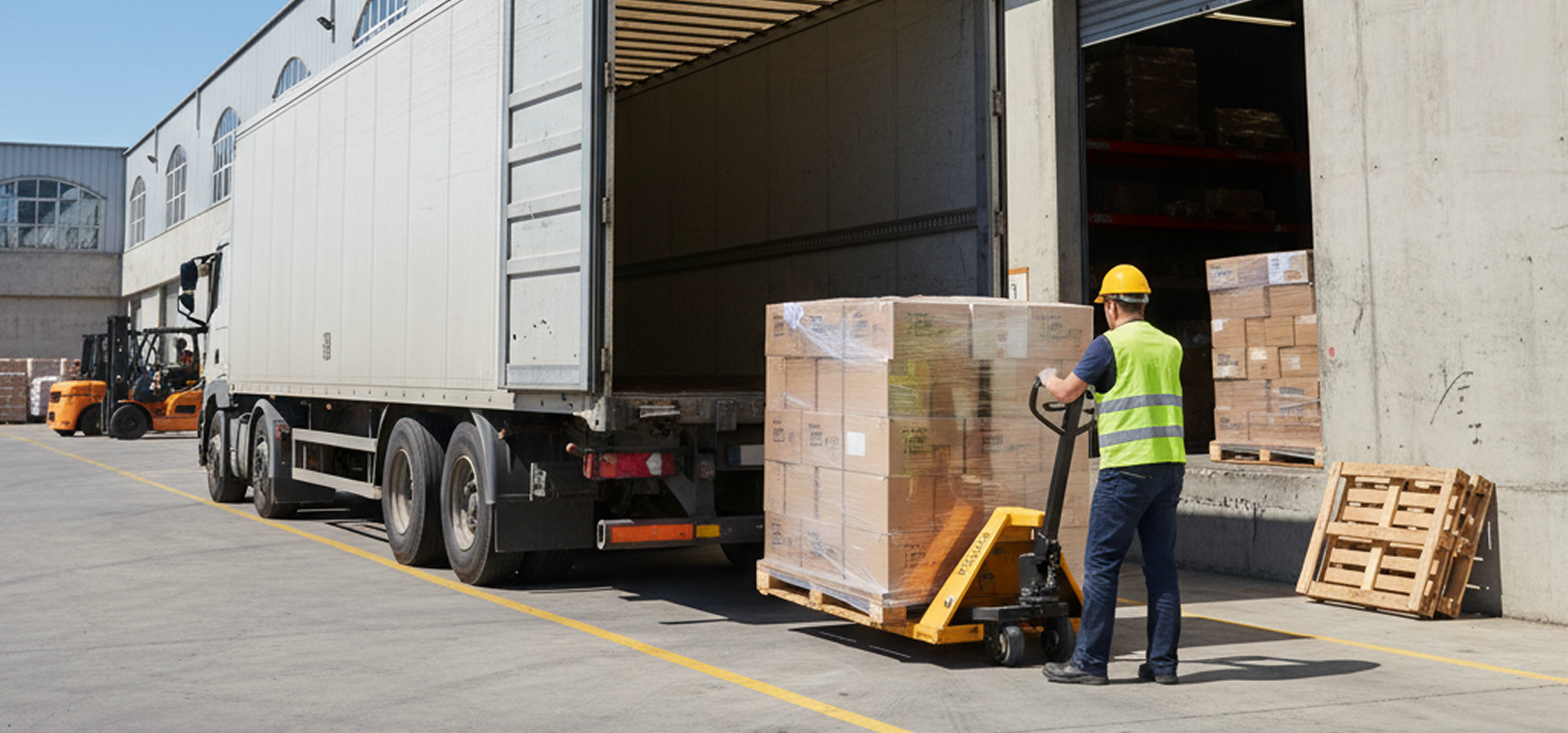
Supply Chain Analysis
Key Industries
Hi-tech, equipment manufacturing, electronic information, aerospace, biomedicine, chemical engineering, transportation, tourism, modern services, and cultural industry.
Major Logistics Providers
Rhenus, Cainiao Network (Alibaba), SF Express, Yunda Express, YTO Express, Deppon Express, ANE Logistics, Ever Fortune Enterprise, Ningbo Tiedada SCM, Shenzhen Rich Fun Railway Logistics, Greatmicro Supply Chain, Prologis, CRRC Xi'an.
Import/Export Volumes and Trading Partners
Xi'an's import and export volumes have grown steadily in recent years, with major trading partners including countries in the ASEAN, the European Union, and Central Asia, focusing on machinery, electronics, and high-tech products.
Supply Chain Resilience
Supply chain resilience in Xi'an is challenged by geopolitical tensions, trade protectionism, and the need for digital innovation, while risk factors include complex global interdependencies, unpredictable demand shifts, and exposure to supply disruptions.
Local Manufacturing Capabilities
Xi'an has advanced local manufacturing capabilities focused on electronics, semiconductor packaging and testing, and customized industrial products, supported by significant investments and technology integration from global firms.
Industry Clusters
Main industry clusters in Xi'an include commercial automobiles, power electronics, food and beverages, new materials, equipment manufacturing, aviation, photonics, and future-oriented sectors such as quantum information and life sciences.
Competitive Advantages
Xi'an's key competitive advantages as a logistics hub include its "4 Hubs + 1 Base" comprehensive logistics framework, strategic position as the starting point of the ancient Silk Road connecting over 60 Belt and Road countries, China-Europe freight train operations to 45+ cities, integrated air-rail-sea intermodal transportation capabilities, and status as China's first inland port with both international and domestic port codes.
Infrastructure Assessment
Detailed evaluation of Xi'an's infrastructure quality, investment projects, utility systems, and environmental considerations for strategic planning.
Quality and Capacity
Xi'an's infrastructure quality and capacity are high, with extensive urban development, modern transit systems, and ongoing upgrades, though some projects face congestion or underutilization.
Planned Investments
Xi'an plans to build 5,000 affordable rental and 2,000 public housing units, launch Metro Line 15, upgrade major roads, and add 15,000 public parking spaces in 2025.
Utilities Reliability and Costs
Xi'an has robust utility infrastructure with ample water supply, reliable electricity from multiple substations, and advanced internet services supported by major telecom providers.
Environmental Factors
Key environmental factors affecting logistics in Xi'an include air pollution, congestion, limited cold storage, outdated logistics facilities, and government policies targeting low-carbon development and emissions reduction.
