Yangon
Infrastructure quality in Yangon is challenged by rapid urban transformation, inadequate public spaces, and pressure on public infrastructure, despite efforts to improve heritage conservation and urban planning.
4.54.5 M+
Population
599599 km²
Area
12,30812,308 /km²
Density
Growth Trends
103.5K
The projected net population growth in Yangon for 2024 is 103,510.
Working-Age Population
68.5%
58% of the European Union population was of working age (20–64 years) in 2023, totaling 259.9 million people.
Employment Rates
Key industries include garment manufacturing, oil and gas, and food processing, with major corporations like Max Myanmar, Myanmar Nilar Foodstuffs, and Zeya & Associates playing significant roles.
Educational Attainment
Tertiary attainment among young adults aged 25-34 in Portugal increased from 38% in 2019 to 43% in 2024, placing it among top OECD nations.
Foreign Residents
The search results do not contain specific income data for foreign residents in Yangon measured in yen or percentage distributions.
Ethnic Composition
Foreign residents in Yangon surpassed 0.32 million in 2024, making up about 5.5% of the city population, with the largest groups from China, India, Thailand, and Bangladesh.
Commuting
The Yangon metropolitan area has 5.7 million residents making 2.04 trips daily, with buses carrying 1.6 million passengers and rail only 90,620 passengers per day.
Migration Patterns
Yangon continues to attract residents from other regions with a net inflow of 103,510 people in 2024.
Average Income
27.6K
The average annual income in Yangon is about 3.7 million yen, though more than half earn less than this amount.
Transportation & Logistics Overview
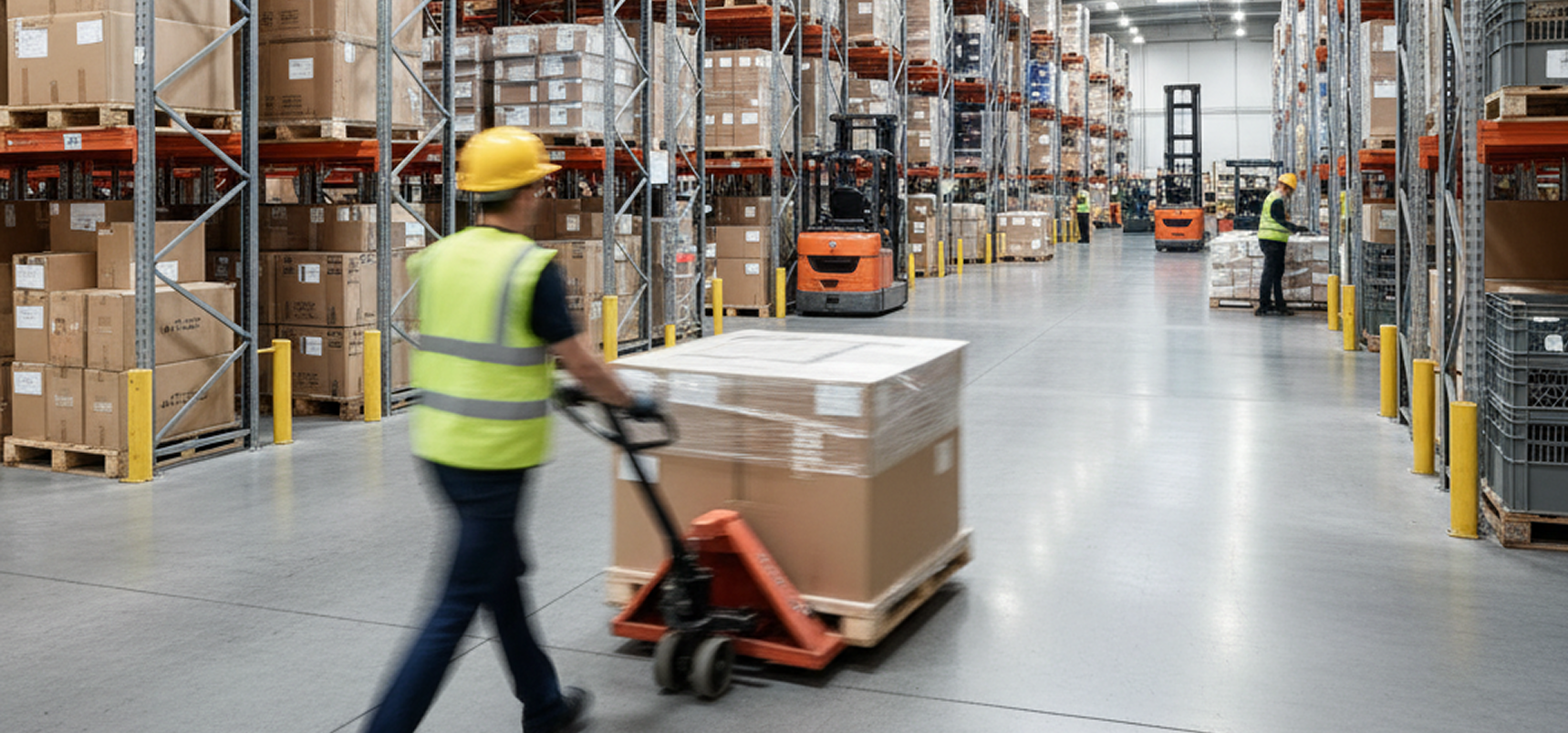
Warehousing & Fulfillment Landscape
Space and Vacancy Rates
The search results do not contain information about warehouse space vacancy rates in Yangon.
Lease Rates and Warehouse Classes
Warehouse lease rates in Yangon typically range from about 17 to 130 lakh Kyats per month depending on size and location, with most warehouses classified as standard industrial properties in zones like Hlaing Thar Yar and Thaketa.
Major Warehouse Districts
Shwe Pyi Thar, Hlaing Thar Yar, Mingalardon, Thilawa, and Yangon Industrial Zone.
Last-Mile Delivery Infrastructure
Last-mile delivery infrastructure in Yangon is crucial due to high population density and economic activity, but it faces challenges such as underdeveloped integration and limited digital adoption.
Automation and Technology Adoption
Warehouse automation and technology adoption in Yangon is at an early stage, with limited implementation of advanced systems like robotics and automated storage, but growing interest in digital inventory management and process optimization.
Cold Storage and Specialty Warehousing
Cold storage and specialty warehousing facilities in Yangon offer temperature-controlled environments with advanced refrigeration and monitoring systems to store perishable goods like food, pharmaceuticals, and other sensitive products, adhering to international safety and quality standards.
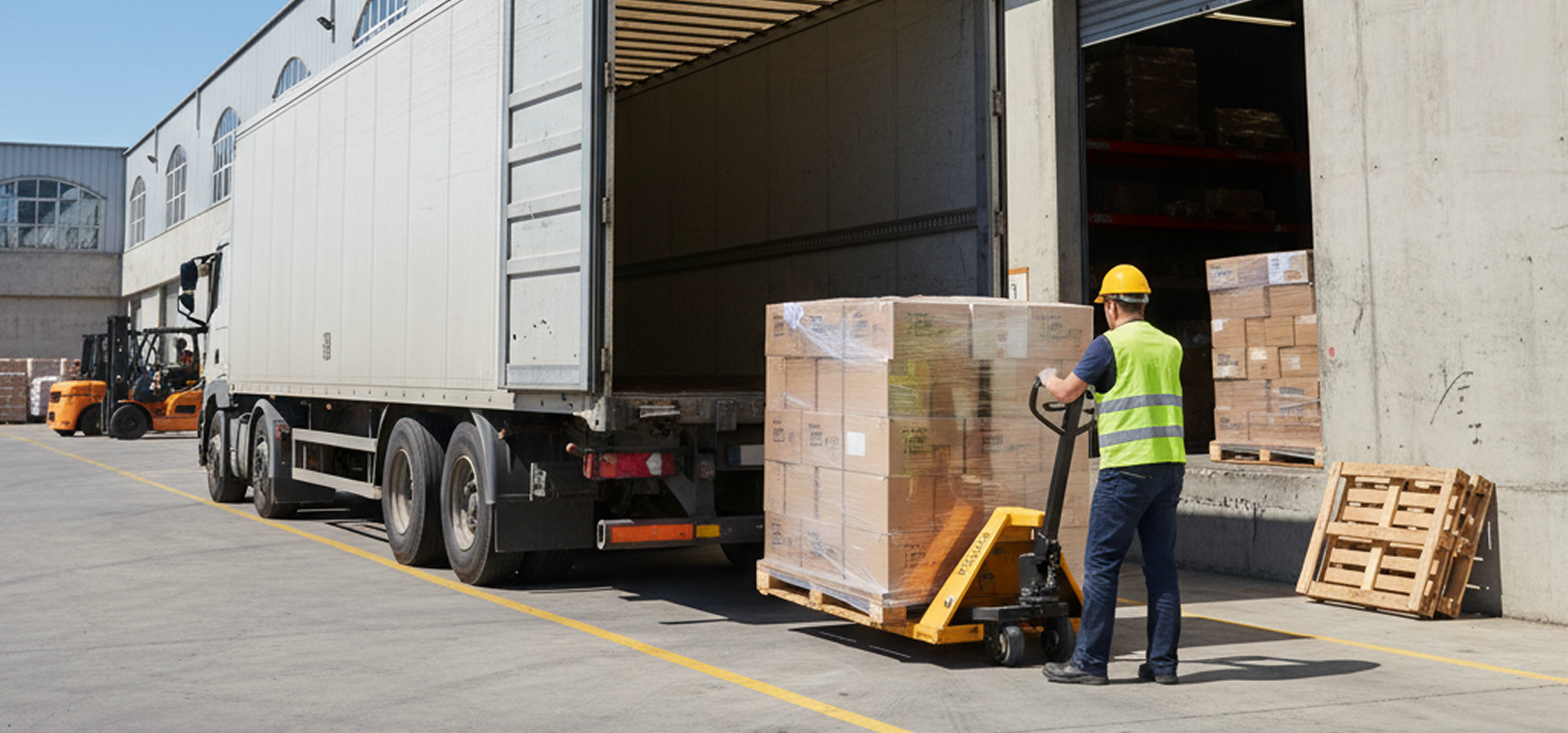
Supply Chain Analysis
Key Industries
Key industries and economic sectors in Yangon include garments and textiles, agricultural processing, wood products, construction materials, pharmaceuticals, oil and natural gas, gems, metals, tourism, and port logistics.
Major Logistics Providers
SBS Express, UCL (United Courier Services), MGL (Magnate Group Logistics), Royal Express, DTDC Express, YGN Express, Sedate Shipping & Logistics, Solitaire Logistics & Services, Super Shine Trading, Uni-global Myanmar, Worldbridge Services, Yellow Bright Star, Golden Leo Freight Service, Interunion Myanmar, Jet8 Myanmar, M.D.C, Premium Multi-trans, Radius Myanmar Services, Success Partners, West East Freight Forwarding, ZNT Transportation & Logistic, M5 International, Famous Freight Liner Logistics, Missouri Logistics, Maersk, CMA CGM, Hapag-Lloyd, Hankyu Hanshin Express.
Import/Export Volumes and Trading Partners
Yangon handles 68,605 export shipments as Myanmar's predominant port with a 5% market share, while Myanmar's main export markets are China (25% of total exports), Thailand, and India (52% of pulse exports).
Supply Chain Resilience
Supply chain resilience in Yangon is challenged by recent earthquake damage to port and logistics infrastructure, ongoing political instability, and reliance on vulnerable trade routes, though diversification strategies and new trade corridors are being developed to mitigate these risks.
Local Manufacturing Capabilities
Yangon’s manufacturing capabilities center on over 30 industrial zones focused mainly on light industries such as garments and food processing, supported by a large workforce and ongoing expansion of industrial infrastructure.
Industry Clusters
Yangon's main industry clusters are garment manufacturing, food processing, metals and machinery, construction materials, wood products, automotive, plastics, and agricultural processing.
Competitive Advantages
Yangon's key competitive advantages as a logistics/business hub are its strategic location linking East Asia, South Asia, and the Middle East, direct maritime access via major ports, and enhanced connectivity through new international land-sea trade corridors enabling faster, cost-effective transport.
Infrastructure Assessment
Detailed evaluation of Yangon's infrastructure quality, investment projects, utility systems, and environmental considerations for strategic planning.
Quality and Capacity
Infrastructure quality and capacity in Yangon are compromised due to significant damage from recent earthquakes, with major roads and buildings affected, highlighting a need for substantial repair and reconstruction efforts.
Planned Investments
Planned infrastructure investments in Yangon focus on upgrading water supply systems, expanding sewerage networks, improving power transmission, and developing transportation projects including roads, bridges, and urban rail.
Utilities Reliability and Costs
Yangon's utility infrastructure faces frequent power outages, limited water supply reliability, and uneven internet connectivity, with ongoing efforts to expand and modernize services amid persistent challenges.
Environmental Factors
Congestion, air pollution, and inadequate waste management in Yangon increase logistics costs and operational challenges.
