Chiang Mai International Airport
Northern Thailand’s primary international gateway and the country’s fourth-busiest airport[1].

Overview of the Airport
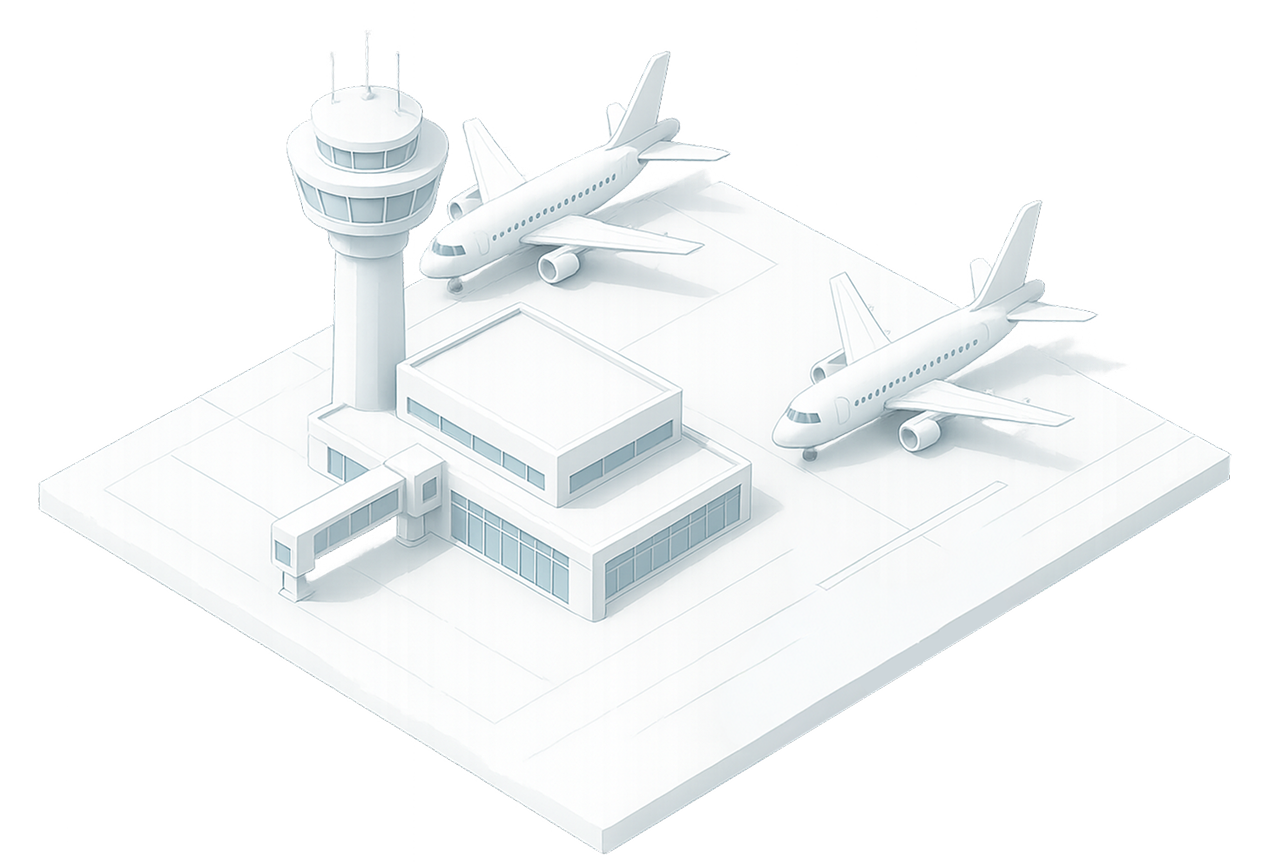
Chiang Mai International Airport (CNX) is located southwest of Chiang Mai city center, serving as the main hub for northern Thailand’s air traffic and connecting the region to domestic and international destinations[1]. The airport is a key driver for tourism and commerce in the area.
18.7668, 98.9626
Growth Trend
Passenger traffic increased by 6.9% year-over-year in 2024, continuing strong post-pandemic recovery[1].

Employment
3,200
Staff includes airline personnel, ground handling, security, retail, and airport operations.

Global Ranking
Market Share of Major Airlines
Capacity Expansion
Expansion projects are underway to increase terminal space and runway capacity, supporting future passenger and cargo growth[3].

Technological Advancements
Deployment of automated check-in kiosks and enhanced security screening systems to streamline passenger flow[3].
Sustainability Initiatives
Initiatives include energy-efficient lighting, waste reduction programs, and support for sustainable aviation fuels in line with AOT’s environmental goals[3].

Latest News & Updates
Recent developments and updates for Chiang Mai International Airport.
Chiang Mai (CNX) January 2026 Flight Statistics Report (Flight Volume ...: Flight Volume and Growth Trends In January2026,ChiangMaiInternationalAirport(CNX) recorded a total of 3,222 outbound flights. This represents a year-over-year growth of +2.87%, indicating steady recovery and increased demand for air travel in the region.
The airport continues to play a vital role in connecting Northern Thailand to international and domestic destinations, with consistent traffic volume.
Chiang Mai Airport Passengers Stranded After Flights to Abu ... - CTN News
Director of Chiang Mai International Airport (AOT) explained that several countries have restricted airspace due to the regional situation, impacting flight operations.
Chiang Mai airport traffic reaches post-Covid peak: CHIANGMAI- The number of daily passengers usingChiangMaiAirportas reached anewpost-pandemic high, underlining the city’s status as a tourist hub in northern Thailand.
Increased passenger numbers reflect the city's resurgence as a major tourist destination, highlighting the airport's role in facilitating travel to the region.
Operations Logistics & Timelines
Step-by-step process transit times for passengers and cargo.
For Clients
Passenger process times from arrival to gate.
- Arrival & Baggage Claim15-45 mins
- Immigration5-15 mins
- Baggage Reclaim (if needed)10-30 mins
- Check-in/Security Screening30-90 mins
- Proceed to Gate5-15 mins
For Employees
Cargo handling deadlines and operational procedures.
- General Cargo Cut-off60 mins pre-departure
- Baggage Drop-offUpon Arrival
- Document VerificationImmediately After Baggage Drop-off
- Security ScreeningFollowing Document Verification
- Loading onto AircraftAs per Airline Schedule
- Weight and Balance VerificationPrior to Departure
- Final Security CheckBefore Boarding
Passengers' Tips & Tricks
- 1
Arrive Early
Allow extra time for potential delays, immigration processing, and navigating the airport. CNX can get busy, especially during peak season.
- 2
Check Baggage Carefully
Thoroughly inspect your baggage upon arrival to ensure no damage occurred during transit. Report any issues immediately to the airline.
- 3
Currency Exchange
Exchange currency at the airport upon arrival for immediate access to Thai Baht. Banks and ATMs are available outside the airport for better rates.
- 4
Transportation Options
Pre-book a taxi or private transfer to your hotel for a smoother experience. The airport offers various transportation services, including taxis, ride-hailing apps, and airport shuttle buses.
- 5
Familiarize Yourself with Departure Procedures
Check your flight status regularly on the airport's website or app to stay informed about any gate changes or delays. Ensure you have your passport and boarding pass readily available.
Cargo Tips & Tricks
- 1
Book in Advance
Air freight capacity at Chiang Mai International Airport (CNX) can fluctuate. Booking your shipments well in advance, particularly during peak season (November - February), ensures availability and potentially better rates.
- 2
Utilize Ground Handling Services
Partnering with experienced ground handling companies like Just Aviation offers seamless cargo operations, streamlining processes from customs clearance to aircraft loading and unloading at CNX.
- 3
Understand Airfreight Clearance Guidelines
Chiang Mai International Airport is a key air transport hub. Familiarize yourself with the latest airfreight clearance guidelines and regulations to avoid delays and ensure smooth customs processing.
- 4
Leverage Expanding Route Network
CNX is continuously expanding its international route network, connecting to major Asian cities. Taking advantage of these routes can optimize your shipping options and reduce transit times.
- 5
Confirm Baggage Claim Locations
Be aware of baggage claim locations: Domestic flights (Baggage Claim No. 1 – 3) and International flights (Baggage Claim No. 4 – 5). Contact your airline's handling agent immediately if your baggage is lost or damaged.
Tools & Resources
Essential tools, portals, and resources for clients and partners.
Data & Reports
Official statistics, research reports, and data tracking for Chiang Mai International Airport.
Chiang Mai International Airport Statistics
Provides recent facts and figures about flights, airlines, and passenger movements at Chiang Mai International Airport (CNX).
Airport Statistics Chiang Mai | CNX
Offers constantly updated airport statistics, including a delay index and movement charts, sourced from a flight database.
Thailand Regional Airport Statistics: International: Chiang Mai (Annual)
Annual cargo movement data for Chiang Mai International Airport from 1998 to 2017, including historical highs and lows.
Chiang Mai International Airport - Wikipedia
Wikipedia page detailing the airport's location, IATA/ICAO codes, and role as a major gateway in northern Thailand.
Location & Maps
Find Chiang Mai International Airport on popular mapping services.
Interactive Map
Map Legend
Loading Google Maps...
Frequently Asked Questions
Common inquiries about operations and logistics at Chiang Mai International Airport.
How long does passenger processing take?
Typical passenger processing times at CNX range from 30 to 60 minutes, depending on the number of flights and passenger volume. Security checks and passport control are standard procedures before boarding.
What cargo services are available?
CNX offers freight handling services for both domestic and international shipments. Customs clearance is handled through designated facilities within the airport complex.
How can I get to the city center?
Several taxi companies and ride-hailing services operate at CNX. Airport buses also provide a direct route to key locations within Chiang Mai city, offering a cost-effective option.
For More Info
Third-party resources, government portals, ratings, and more.
