Dublin Airport
Ireland's busiest airport and a leading European gateway for transatlantic and intra-European travel.


Overview of the Airport
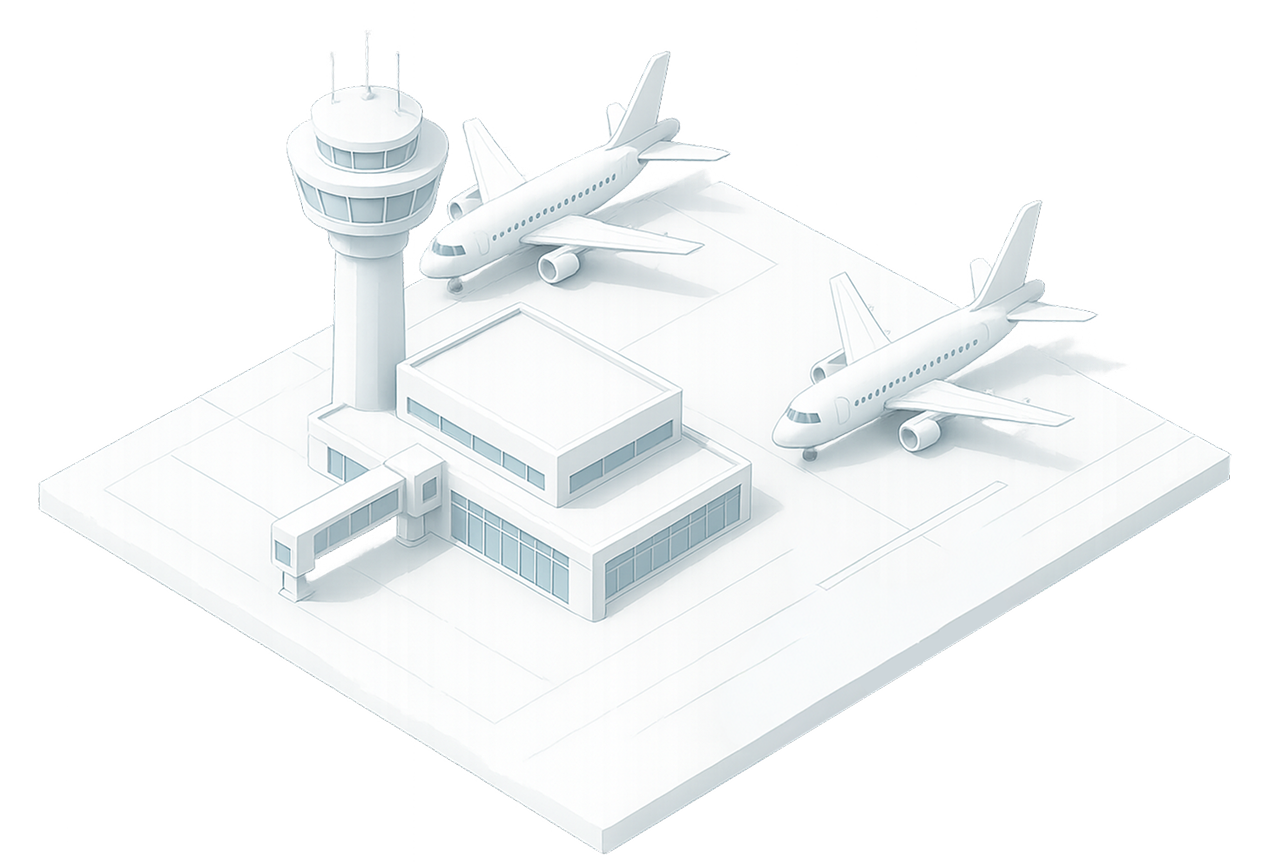
Dublin Airport (DUB) is located 7 km north of Dublin city centre and serves as Ireland's principal international airport, connecting Europe and North America. It is the main hub for Irish air travel and a key driver of the national economy.
53.4273, -6.2436
Growth Trend
Passenger traffic increased by 4.6% year-over-year, reaching record levels in 2025.

Employment
116,100
Staff employed by airlines, ground services, retail, security, and airport operations.
Global Ranking
Market Share of Major Airlines
Capacity Expansion
Expansion projects are underway to increase terminal and runway capacity, addressing the 32M passenger cap and future growth.

Technological Advancements
Deployment of biometric screening, self-service bag drops, and AI-driven passenger flow management enhances efficiency.

Sustainability Initiatives
Implementation of sustainable aviation fuels, solar energy, and green building standards supports environmental objectives.

Latest News & Updates
Recent developments and updates for Dublin Airport.
Dublin Airport passengers face delays due to weather and ongoing disruptions
Severe weather across Europe is impacting flights at Dublin Airport, causing significant delays and cancellations for passengers. The airport is also dealing with ongoing staffing challenges and increased demand following the summer travel period.
Dublin Airport extends runway closure for further repairs
Dublin Airport has announced an extension to the runway closure for essential repairs following recent incidents. This further disruption is expected to continue to impact flight operations for several days, causing widespread delays.
Dublin Airport warning of 'significant delays' as passenger numbers soar
Dublin Airport is bracing for 'significant delays' due to a surge in passenger numbers following the Christmas and New Year period. Airport officials are urging travellers to allow extra time for their journeys and are advising against booking flights until further notice.
Operations Logistics & Timelines
Step-by-step process transit times for passengers and cargo.
For Clients
Passenger process times from arrival to gate.
- Arrival at Dublin Airport15-30 mins
- Immigration & Customs30-60 mins
- Baggage Claim15-45 mins
- Terminal Navigation to Departures10-20 mins
- Security Screening20-45 mins
- Gate Arrival5-15 mins
For Employees
Cargo handling deadlines and operational procedures.
- General Cargo Cut-Off90 minutes pre-departure
- Dangerous Goods Cut-Off48 hours pre-departure
- UAC Cut-OffVaries - Check UAC Schedule
- Baggage Handlers Cut-OffVaries - Check Baggage Handlers Schedule
- Security Check Cut-Off60 minutes pre-departure
- Passenger Boarding Cut-Off30 minutes pre-departure
- Aircraft Turn Time DeadlineDependent on Aircraft Schedule
- Gate ClosureVaries - Check with Operations
- DUB Cargo Operational HoursTypically 24/7
- Cargo Handling Team BriefingDaily - Varies
- UAC Manifest Upload DeadlineAs per UAC schedule
- EDI Cut-OffVaries - Check EDI Schedule
Passengers' Tips & Tricks
- 1
Utilize the FastTrack Service
If you're a business traveler or have an early morning flight, consider booking the FastTrack security service to significantly reduce your wait times at security screening.
- 2
Mobile Check-in and Bag Drop
Take advantage of mobile check-in and the bag drop facilities available at Terminal 1 & 2 to save time and avoid queues at the check-in counters.
- 3
Plan Ahead for Security
Pack liquids and electronics in your carry-on bag to speed up the security screening process. Remove your shoes and belt before placing your belongings on the conveyor belt.
- 4
Explore the Airport Shops & Restaurants
Dublin Airport offers a wide variety of shops and restaurants. Allow extra time to browse and grab a bite to eat, especially during peak hours.
- 5
Check Terminal Information Boards
Regularly consult the large information boards throughout the terminals to stay updated on flight departures, gate changes, and any potential disruptions.
Cargo Tips & Tricks
- 1
Understand Baggage Allowance Limits
Ryanair and other low-cost carriers operating from Dublin have strict baggage allowance rules. Exceeding these limits can result in hefty excess baggage fees. Carefully check your airline's specific policy before traveling to avoid surprises at the airport.
- 2
Utilize the Priority Baggage Service (If Applicable)
If you're a Priority Rewards customer with Ryanair, consider using the Priority Baggage service at check-in. This can speed up the process and ensure your luggage is one of the first to be unloaded at your destination.
- 3
Check-In Online in Advance
Online check-in is highly recommended, especially during peak travel times. It allows you to skip the check-in queues at the airport and often provides the option to select your seat, further streamlining the process.
- 4
Be Aware of Customs Regulations
Dublin Airport has strict customs regulations. Ensure you declare any goods you are bringing into Ireland that may be subject to duty or restrictions. Declare alcohol, tobacco, and any goods valued over €430. Failure to do so can result in fines.
- 5
Allow Extra Time for Customs and Security
Dublin Airport security lines can be long, particularly during busy periods. Factor in at least 1.5-2 hours for security screening and customs clearance, especially if you’re carrying checked baggage.
Tools & Resources
Essential tools, portals, and resources for clients and partners.
Data & Reports
Official statistics, research reports, and data tracking for Dublin Airport.
Aviation Statistics Quarter 4 and Year 2024 - CSO
Provides detailed aviation statistics for Ireland's main airports, including background notes and data sources. This report focuses on passenger and flight data.
Department of Transport Aviation Statistics Snapshot
A snapshot of aviation statistics published by the Department of Transport, providing up-to-date provisional data from airports.
Annual Report 2024 - DAA
The official annual report of Dublin Airport Authority (DAA), outlining operations, financial performance, and strategic initiatives.
Dublin Airport Facts & Figures
A dedicated page on Dublin Airport's website presenting the most recent statistics on flights, airlines, and passenger movements.
Data Center - ACI World
ACI World's data center provides a wealth of airport and air travel industry data, including passenger and cargo traffic statistics.
Location & Maps
Find Dublin Airport on popular mapping services.
Interactive Map
Map Legend
Loading Google Maps...
Frequently Asked Questions
Common inquiries about operations and logistics at Dublin Airport.
What is the typical passenger process for arriving at Dublin Airport (DUB)?
Upon arrival, follow signs to Immigration. After completing your immigration form and answering questions from the officer, you'll proceed to Baggage Claim. Collect your luggage from the designated carousel based on your flight number, and then exit through customs if applicable. Remember to have your passport and boarding pass readily available.
How does cargo handling operate at Dublin Airport?
Dublin Airport operates a sophisticated cargo handling system. Cargos are typically transported by road to and from the airport using a fleet of trucks. Key handlers include DHL, FedEx, and UPS, who manage the sorting, documentation, and onward transport of goods through the airport’s cargo village.
What transport options are available to and from Dublin Airport?
Several transport options are available to Dublin Airport. These include the Dublin Express bus service, Airport Hopper bus, taxi services, private transfer companies, and the Luas (tram) line which connects to the airport via the Airport Express service.
Does Dublin Airport have a dedicated 'Lost & Found' service for pets?
Yes, Dublin Airport has a specialised Lost & Found service for pets. If your pet is lost or found at the airport, you should immediately contact the Animal Welfare Officer at the Security Screening checkpoint for assistance. They have a dedicated facility and procedures for reuniting lost animals with their owners.
For More Info
Third-party resources, government portals, ratings, and more.
