Florence Airport, Peretola (Amerigo Vespucci Airport)
The primary airport serving Florence and Tuscany, with record-breaking passenger growth and expanding European connectivity.


Overview of the Airport
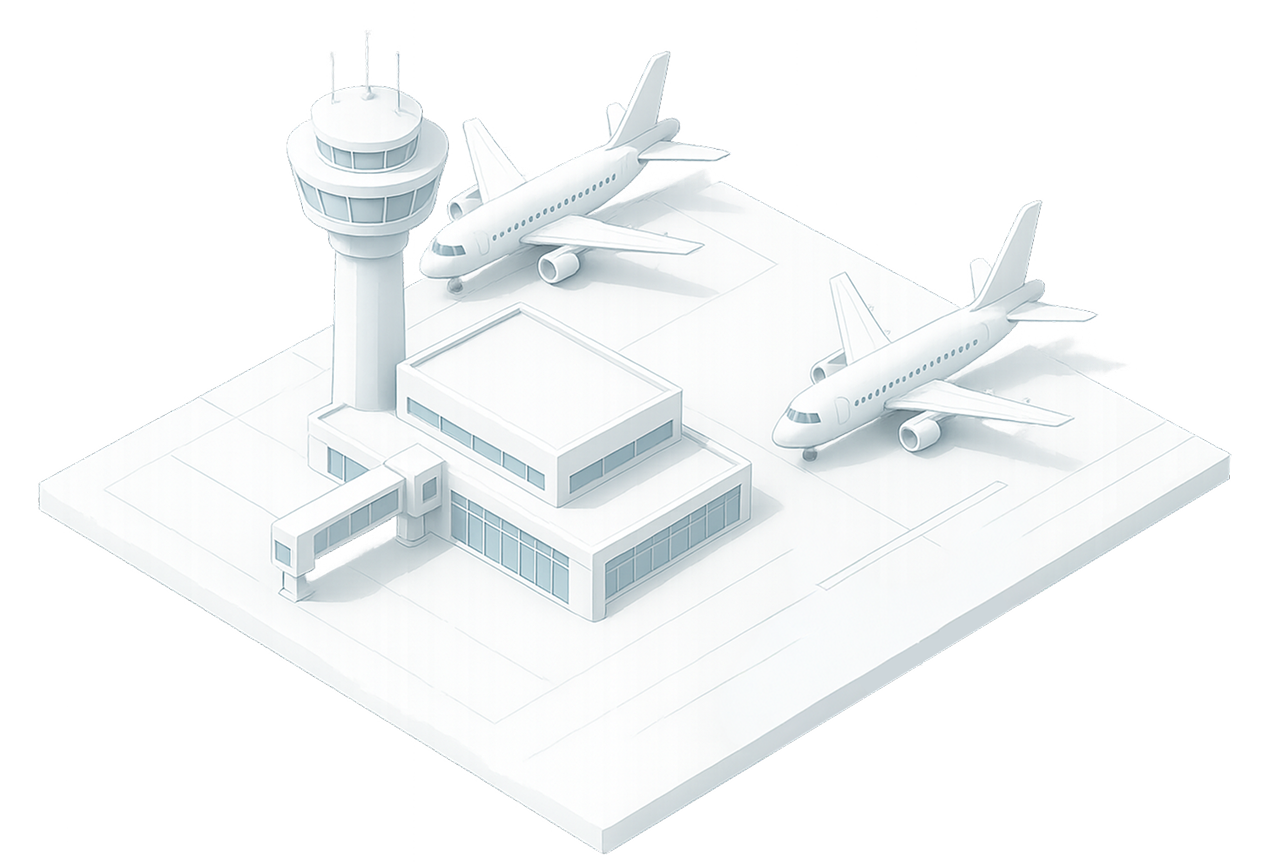
Florence Airport, Peretola (FLR), officially Amerigo Vespucci Airport, is located 4 km northwest of Florence’s city center. It is the second-busiest airport in Tuscany, providing vital domestic and international links for the region. The airport’s compact layout and short runway limit operations to narrow-body aircraft.
43.8085, 11.2001
Growth Trend
Passenger traffic increased by 14% year-over-year, surpassing pre-pandemic levels and setting a new record in 2024.

Employment
1,200
Staff includes airline personnel, ground handlers, security, concessions, and airport operations.

Global Ranking
Market Share of Major Airlines
Capacity Expansion
A new terminal and runway extension project are planned to increase passenger and aircraft handling capacity.

Technological Advancements
Recent upgrades include automated check-in kiosks and advanced baggage screening systems to streamline passenger flow.

Sustainability Initiatives
Florence Airport is investing in electric ground vehicles and energy-efficient terminal systems to reduce its environmental impact.

Latest News & Updates
Recent developments and updates for Florence Airport, Peretola (Amerigo Vespucci Airport).
Strong winds cause significant delays at Florence Airport
High winds at Florence Airport (FLR) caused widespread delays and cancellations over the weekend, impacting hundreds of flights. Authorities advised passengers to check for updates and anticipate potential disruptions.
Florence Airport cancels all flights due to wind
Due to extremely strong winds and low visibility, Florence Airport (FLR) has suspended all flights until 14:00 CEST on Saturday, May 17th. Passengers are advised to monitor announcements for further updates.
Florence Airport experiencing delays due to high winds
Florence Airport (FLR) is currently operating with significant delays due to persistent high winds. Airlines are advising passengers to allow extra time for travel and check with their carrier for the latest information on flight status.
Operations Logistics & Timelines
Step-by-step process transit times for passengers and cargo.
For Clients
Passenger process times from arrival to gate.
- Arrival at Florence Airport (FLR)N/A
- Immigration & Customs30-60 mins
- Baggage Claim15-30 mins
- Rental Car Pick-up (if applicable)15-30 mins
- Transfer to Terminal (Shuttles or Taxi)10-20 mins
- Terminal Navigation5-15 mins
- Gate Check-in/Security30-60 mins
For Employees
Cargo handling deadlines and operational procedures.
- General Cargo Cut-off90 minutes pre-departure
- Dangerous Goods Cut-off90 minutes pre-departure
- UAC Cut-off60 minutes pre-departure
- Hand Baggage Cut-off30 minutes pre-departure
- Passenger Boarding Cut-off15 minutes pre-departure
- Overweight Cargo Cut-off90 minutes pre-departure
- Aircraft Turn Time60-90 minutes (variable)
- Security Checkpoint Entry15-30 minutes (variable)
- Gate Closing15 minutes prior to scheduled departure
- Weight RestrictionsMax 7,200 kg for wide-body, 4,500 kg for narrow-body
Passengers' Tips & Tricks
- 1
Arrive Early
Allow extra time for potential delays, especially during peak season. The airport is located outside the city center, and transportation options can be affected by traffic.
- 2
Check Baggage Restrictions
Verify baggage allowances and restrictions for both checked and carry-on luggage with your airline before your flight. Restrictions may be stricter than other European airports.
- 3
Utilize Public Transportation
Take advantage of the efficient Tramvia line (T1) which connects the airport directly to the Santa Maria Novella train station, the main transportation hub in Florence. It’s a cost-effective and convenient option.
- 4
Currency Exchange
Exchange currency at the airport’s foreign exchange counters for immediate access to Euros. While ATMs are available in Florence, exchange rates may be less favorable.
- 5
Terminal Navigation
The airport is a single-terminal facility, but familiarize yourself with the airport map beforehand to quickly locate your departure gate and baggage claim area.
Cargo Tips & Tricks
- 1
Book in Advance
Air freight capacity at FLR can be limited, especially during peak tourist season. Booking cargo shipments well in advance ensures availability and potentially better rates.
- 2
Utilize FBO Services
Leverage Fixed Base Operators (FBOs) like Corporate Air Service at Peretola Airport for seamless handling, fuel services, and pilot arrangements, streamlining cargo operations.
- 3
Understand Terminal Layout
FLR has a single terminal accommodating both domestic and international flights. Familiarize yourself with the layout to optimize cargo transfer times and minimize congestion.
- 4
Consider Ground Transportation
Florence’s traffic can be challenging. Plan ground transportation in advance, utilizing airport shuttle services or private car services for efficient cargo delivery to final destinations.
- 5
Adhere to Airport Regulations
Florence Airport, Peretola (FLR) operates under strict aviation regulations. Ensure compliance with all ICAO and national regulations regarding cargo handling, security, and documentation to avoid delays.
Tools & Resources
Essential tools, portals, and resources for clients and partners.
Data & Reports
Official statistics, research reports, and data tracking for Florence Airport, Peretola (Amerigo Vespucci Airport).
Aeroporti di Toscana - FLR Florence Airport
Official website providing information about Florence Airport, including flight schedules, services, and passenger statistics.
Aeroporti di Toscana - Investor Relations
Details regarding Aeroporti di Toscana's financial performance and investment opportunities.
Aeroporti di Toscana - Annual Report 2022
The most recent annual report from Aeroporti di Toscana, detailing the airport's operational and financial results.
ISTAT - Air Transport Statistics
Provides Italian air transport statistics, including passenger numbers and aircraft movements at Florence Airport.
Ministero delle Infrastrutture e dei Trasporti - Aeroporti
The Italian Ministry of Infrastructure and Transport’s section on airports, offering some regulatory and strategic information related to FLR.
Florence Airport - Wikipedia
Wikipedia page provides a general overview of the airport including some statistics on passenger numbers and airlines operating.
Location & Maps
Find Florence Airport, Peretola (Amerigo Vespucci Airport) on popular mapping services.
Interactive Map
Map Legend
Loading Google Maps...
Frequently Asked Questions
Common inquiries about operations and logistics at Florence Airport, Peretola (Amerigo Vespucci Airport).
What is the passenger process like at Florence Airport (FLR)?
Passengers arriving at FLR typically go through security screening before proceeding to baggage claim. Departures involve check-in (if applicable), security, and boarding. The airport is relatively small, so procedures are generally efficient. Check the airline's website for specific check-in requirements.
What cargo handling services are available at Florence Airport?
FLR handles both passenger and cargo traffic. Cargo handling is primarily managed by SkyLink, a dedicated cargo handler. They provide services including warehousing, customs clearance, and freight forwarding. Specific cargo operations are focused on general cargo and cargo charters.
What are the main transport options to and from Florence Airport?
Several options are available: taxi (approximately 20-30 minutes to the city center), tram line T2 (connecting to the city center), bus services (line 41), and rental car agencies. Pre-booked private transfers are also a popular choice.
Does FLR have a dedicated 'arrivals' area with seamless baggage delivery, similar to larger airports?
No, Florence Airport (FLR) does not have a fully automated, dedicated 'arrivals' area with baggage delivery systems like you might find at major international hubs. Passengers collect their baggage from the baggage claim carousels after passing through security. This is due to the airport’s smaller size and primarily domestic and regional operations.
For More Info
Third-party resources, government portals, ratings, and more.
