Freetown Lungi International Airport
Sierra Leone's primary international gateway, connecting Freetown to major regional and global destinations.


Overview of the Airport
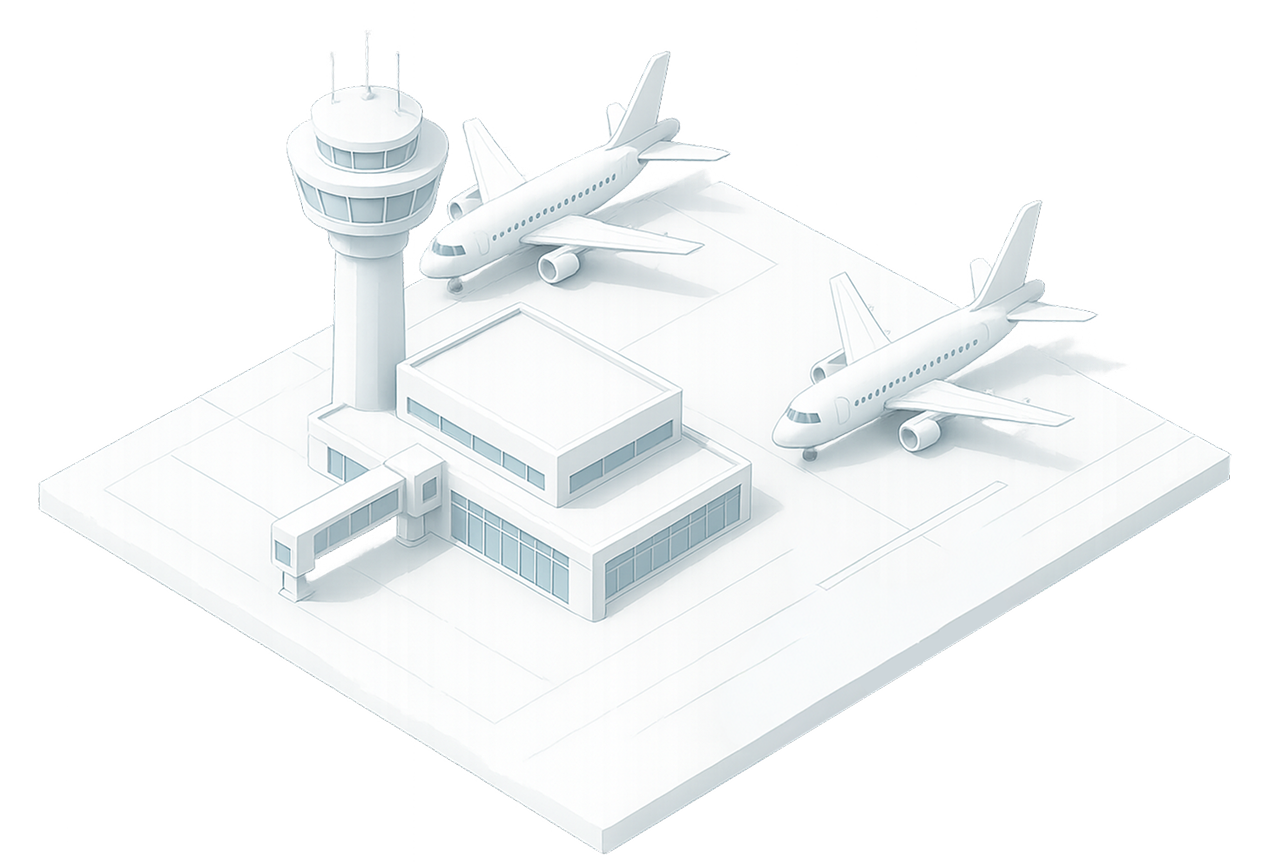
Freetown Lungi International Airport (FNA) is located in Lungi, across the Sierra Leone River from Freetown, serving as the country's only international airport and main entry point. The airport is accessible by ferry, water taxi, and road, and handles both domestic and international flights, supporting Sierra Leone's connectivity and economic growth.[1][2][4][6]
8.6135873, -13.2015612
Growth Trend
Passenger traffic has shown steady recovery and moderate growth post-pandemic, with increased regional and international connectivity.[4][5]

Employment
1,200
Employees include airline staff, ground handlers, security, concessions, and airport authority personnel.[5]

Global Ranking
Market Share of Major Airlines
Capacity Expansion
Ongoing expansion and renovation projects, including a new terminal and upgraded runways, are increasing passenger and cargo capacity.[5]

Technological Advancements
Recent upgrades include a new air traffic control tower and enhanced security screening systems to improve safety and efficiency.[5]
Sustainability Initiatives
The airport is implementing IFC-aligned environmental and social standards, with climate resiliency and energy efficiency measures in new infrastructure.[5]

Latest News & Updates
Recent developments and updates for Freetown Lungi International Airport.
Lungi Airport terminal revamp to complete in six months
The Sierra Leone Civil Aviation Authority (SLCAA) says the ongoing revamp of the Lungi International Airport terminal is expected to be completed within six months.
Sierra Leone's Lungi Airport upgrades continue amid rising passenger numbers
Despite a 17% decline in passenger numbers compared to 2019, ongoing development projects at Lungi International Airport continue, including runway upgrades and terminal improvements, aiming to increase capacity and attract more international flights.
Lungi Airport seeks to attract more carriers amid economic recovery
The SLCAA is actively marketing Lungi International Airport to international airlines, highlighting recent infrastructure improvements and aiming to boost air connectivity and stimulate economic growth within Sierra Leone.

Operations Logistics & Timelines
Step-by-step process transit times for passengers and cargo.
For Clients
Passenger process times from arrival to gate.
- Arrival & Baggage Claim15-30 mins
- Immigration & Customs20-45 mins
- Baggage Reclaim (if needed)10-20 mins
- Check-in/Bag Drop5-15 mins
- Security Screening30-60 mins
- Proceed to Gate5-10 mins
For Employees
Cargo handling deadlines and operational procedures.
- General Cargo Cut-off60 mins pre-departure
- Manifesting30 mins post-cut-off
- Security Screening15 mins post-manifesting
- Baggage Drop10 mins post-screening
- Loading15 mins post-baggage drop
- Final Security Check5 mins post-loading
- Pushback5 mins post-final security check
Passengers' Tips & Tricks
- 1
Arrive Early
Due to potential delays and customs processing, it's highly recommended to arrive at least 3 hours before your scheduled departure, especially during peak season.
- 2
Check Visa Requirements
Ensure you have the necessary visa for Sierra Leone well in advance. Requirements vary depending on your nationality and length of stay.
- 3
Currency Exchange
Exchange currency at the airport or reputable banks in Freetown for better rates than you might find elsewhere. US dollars are widely accepted.
- 4
Transportation Options
Pre-book airport transfers or utilize taxis available at the airport. Agree on a price before starting your journey to Freetown.
- 5
Be Aware of Your Surroundings
Sierra Leone has a higher crime rate. Keep valuables secure, be mindful of your surroundings, and avoid displaying wealth.
Cargo Tips & Tricks
- 1
Book in Advance
Air freight capacity at FNA is often limited, especially during peak seasons. Booking cargo shipments well in advance – ideally 4-6 weeks – significantly increases the chances of securing space and preferred transit times. Proactive booking also allows for better rate negotiations.
- 2
Utilize Local Forwarders
Engaging a reputable local forwarder experienced with FNA operations is crucial. They possess in-depth knowledge of customs regulations, handling procedures, potential delays, and can navigate the airport’s specific logistics challenges effectively. Local expertise minimizes errors and expedites processing.
- 3
Proper Documentation is Paramount
Sierra Leone’s customs and immigration requirements can be complex. Meticulous preparation of all required documentation – commercial invoices, packing lists, certificates of origin, and any other relevant permits – is absolutely essential. Errors in documentation are the most frequent cause of delays.
- 4
Understand Customs Clearance Procedures
FNA’s customs clearance process can be lengthy. Familiarize yourself with the specific procedures for your cargo type, including any required inspections or security protocols. Allow ample time for customs clearance, accounting for potential backlogs.
- 5
Temperature Controlled Solutions
Given Sierra Leone’s climate, securing appropriate temperature-controlled solutions (refrigerated containers, temperature monitoring) is vital for perishable goods and sensitive items. Ensure all equipment meets international standards and that adequate temperature records are maintained throughout the journey.
Tools & Resources
Essential tools, portals, and resources for clients and partners.
Data & Reports
Official statistics, research reports, and data tracking for Freetown Lungi International Airport.
Freetown Lungi International Airport - ICAO
Official ICAO airport information, including location, coordinates, and contact details.
UNICEF - Freetown Lungi International Airport (FNA) - Monitoring & Evaluation
UNICEF's monitoring and evaluation reports for the airport, focusing on humanitarian aid operations.
Sierra Leone Civil Aviation Authority - Freetown Lungi International Airport
The official website of the SLCAA, providing information and regulations related to FNA.
FlightStats - Freetown Lungi International Airport (FNA)
FlightStats provides real-time flight data, statistics, and airport information for FNA. Useful for tracking operations.
Wikipedia - Freetown Lungi International Airport
Wikipedia entry with a wealth of historical and current data regarding the airport, including runway lengths, passenger numbers, and notable events. Note: While a wiki, it often links to official resources.
Location & Maps
Find Freetown Lungi International Airport on popular mapping services.
Interactive Map
Map Legend
Loading Google Maps...
Frequently Asked Questions
Common inquiries about operations and logistics at Freetown Lungi International Airport.
What is the passenger processing procedure at FNA?
Passengers typically proceed through immigration upon arrival, followed by customs inspection. After clearing customs, you'll be directed to baggage claim and then exit the terminal.
How is cargo handled at Freetown Lungi International Airport?
Cargo operations at FNA involve dedicated freight handling facilities, including secure storage and loading/unloading services. Customs clearance is completed before cargo is transferred to onward destinations.
What transportation options are available from the airport?
Taxis and private car services are readily available outside the airport terminal for transport to Freetown and surrounding areas. Airport shuttle services are also an option, offering pre-booked transfers.
For More Info
Third-party resources, government portals, ratings, and more.
