Lake Simcoe Regional Airport
A key regional airport serving Simcoe County and Central Ontario, supporting business, tourism, and general aviation.

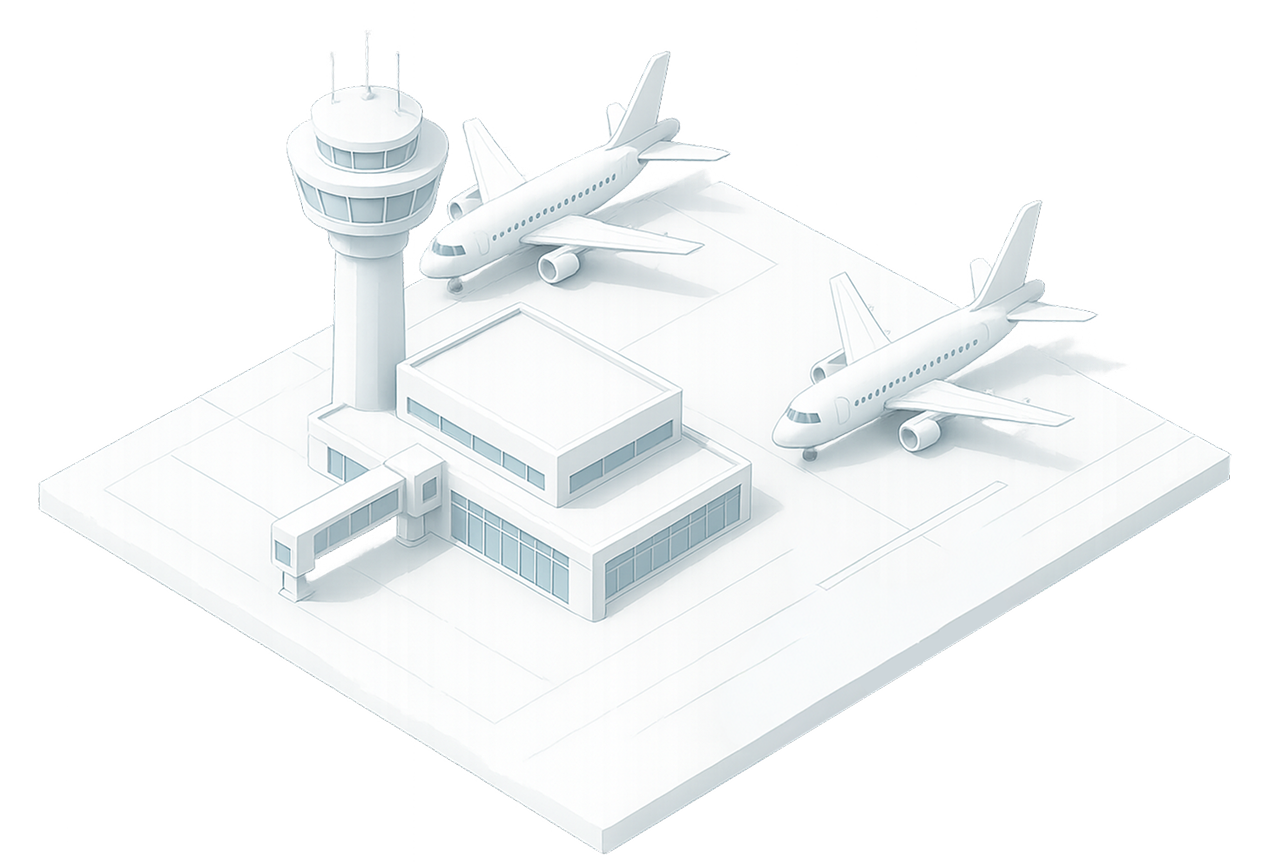

Overview of the Airport
Lake Simcoe Regional Airport (YLK) is located in Oro-Medonte, just north of Barrie, Ontario. It serves as a commercial port-of-entry and supports a range of operations from flight training to corporate and charter flights, connecting the region to domestic and limited international destinations.
44.48611, -79.55556
Growth Trend
Aircraft movements have shown steady growth, with regional demand expected to increase through the 2030s.

Employment
120
Staff include airport operations, ground services, flight training, maintenance, and administrative personnel.
Global Ranking
Market Share of Major Airlines
Capacity Expansion
Ongoing infrastructure upgrades, including runway and apron expansions, are increasing capacity for larger aircraft and more frequent flights.

Technological Advancements
Recent investments include upgraded navigation aids, enhanced security systems, and digital weather monitoring.
Sustainability Initiatives
The airport is implementing energy-efficient lighting, waste reduction programs, and exploring sustainable aviation fuel partnerships.

Latest News & Updates
Recent developments and updates for Lake Simcoe Regional Airport.
Update on Barrie, Springwater, Oro-Medonte, Simcoe County Boundary Discussions
The Barrie city council is discussing agreements that include a Joint Economic Development Working Group focusing on development along the Highway 400 Corridor and the Lake Simcoe Regional Airport.
Public Notice - simcoe.com
The Lake Simcoe Regional Airport is extending its runway from 6,000' to 7,000' as part of Phase I of its Strategic Plan.
Community Voices Shape Simcoe Regional Airport's Next Chapter
Community input is shaping the future of the Lake Simcoe Regional Airport, particularly concerning expansion plans and the impact of its certification on regional transportation.
Operations Logistics & Timelines
Step-by-step process transit times for passengers and cargo.
For Clients
Passenger process times from arrival to gate.
- Arrival & Baggage Claim5-10 mins
- Check-in5-15 mins
- Security Screening15-25 mins
- Immigration (if required)5-10 mins
- Gate Arrival2-5 mins
- Boarding10-15 mins
For Employees
Cargo handling deadlines and operational procedures.
- General Cargo Cut-off60 mins pre-departure
- Arrival Notification30 mins pre-departure
- Tender Processing15-30 mins
- Customs ClearanceVariable, allow ample time
- Loading Operations30-60 mins
- X-Ray Screening15-30 mins
- Ground HandlingAs required
- Flight Manifest Verification15 mins pre-departure
Passengers' Tips & Tricks
- 1
Arrive Early
Lake Simcoe Regional Airport (YLK) can experience peak travel times, particularly during weekends and holidays. Allow ample extra time for check-in, security screening, and potential delays to ensure a stress-free start to your journey.
- 2
Check Baggage Restrictions
Review Air Canada's baggage restrictions carefully before your flight, particularly regarding carry-on size and weight limits. Unexpected fees can apply for oversized or overweight baggage.
- 3
Utilize Airport Shuttle Services
The airport offers shuttle services to nearby hotels and attractions. Pre-booking a shuttle can save you time and hassle, especially upon arrival.
- 4
Explore Local Attractions Pre-Arrival
YLK is conveniently located near Barrie and the surrounding region. Research and plan a few local attractions or activities to enjoy upon your arrival, maximizing your time.
- 5
Familiarize Yourself with Terminal Layout
The Lake Simcoe Regional Airport terminal is relatively small. Before your flight, take a moment to locate your departure gate and key amenities to expedite your process.
Cargo Tips & Tricks
- 1
Book in Advance
Air freight capacity at YLK is limited, especially during peak season. Booking your cargo shipments well in advance ensures availability and streamlines the handling process.
- 2
Utilize Customs Services
Leverage the airport’s Commercial Port-Of-Entry status and the CBSA’s fully-serviced operations for expedited customs clearance of your freight shipments.
- 3
Coordinate with Ground Handling Partners
Work closely with ground handling services like 1FLT to arrange aircraft and crew support efficiently, optimizing turnaround times and minimizing delays.
- 4
Consider Runway Slot Availability
Given the airport’s operational constraints, investigate runway slot availability to ensure seamless arrival and departure operations for your cargo flights.
- 5
Strategic Location Advantages
Utilize the airport’s proximity to Toronto and the ‘Greater Golden Horseshoe’ region to optimize logistics and distribution networks for your freight.
Tools & Resources
Essential tools, portals, and resources for clients and partners.
Data & Reports
Official statistics, research reports, and data tracking for Lake Simcoe Regional Airport.
Air cargo traffic at Canadian airports, annual
Data on tonnes of cargo loaded and unloaded at Canadian airports annually.
LSRA 2023-102 - Lake Simcoe Regional Airport 2022
PDF report detailing the airport's business activities and performance in 2022, including FBO agreement and Chartright Air Group additions.
Airport Statistics Barrie | Lake Simcoe Regional | YLK
Live airport statistics, including Delay Index and Airport Movements Chart, sourced from a flight database.
Simcoe - 2024 LSRA Financial Statements
Financial statements for the Lake Simcoe Regional Airport as of December 31, 2024, including audited statements.
Location & Maps
Find Lake Simcoe Regional Airport on popular mapping services.
Interactive Map
Map Legend
Loading Google Maps...
Frequently Asked Questions
Common inquiries about operations and logistics at Lake Simcoe Regional Airport.
What is the passenger processing procedure at YLK?
Passengers proceed through security screening at the YLK Airport Security Checkpoint. After screening, you will collect your baggage and follow signs to the departure gates. Allow ample time for security, especially during peak travel periods.
How is cargo/freight handled at YLK?
YLK facilitates cargo operations primarily for business aviation clients. Cargo is typically handled directly between aircraft and approved carriers utilizing the airport's ramp facilities. All cargo operations comply with relevant Canadian Aviation Regulations.
What transport access options are available to YLK?
Ground transportation to YLK includes taxi services and ride-sharing platforms. Several local shuttle services operate to and from downtown Barrie and surrounding areas. Scheduled public transit options are also available, connecting to Barrie's bus network.
For More Info
Third-party resources, government portals, ratings, and more.
