Malatya Erhaç Airport
A key regional airport in Eastern Anatolia, serving both civilian and military flights.

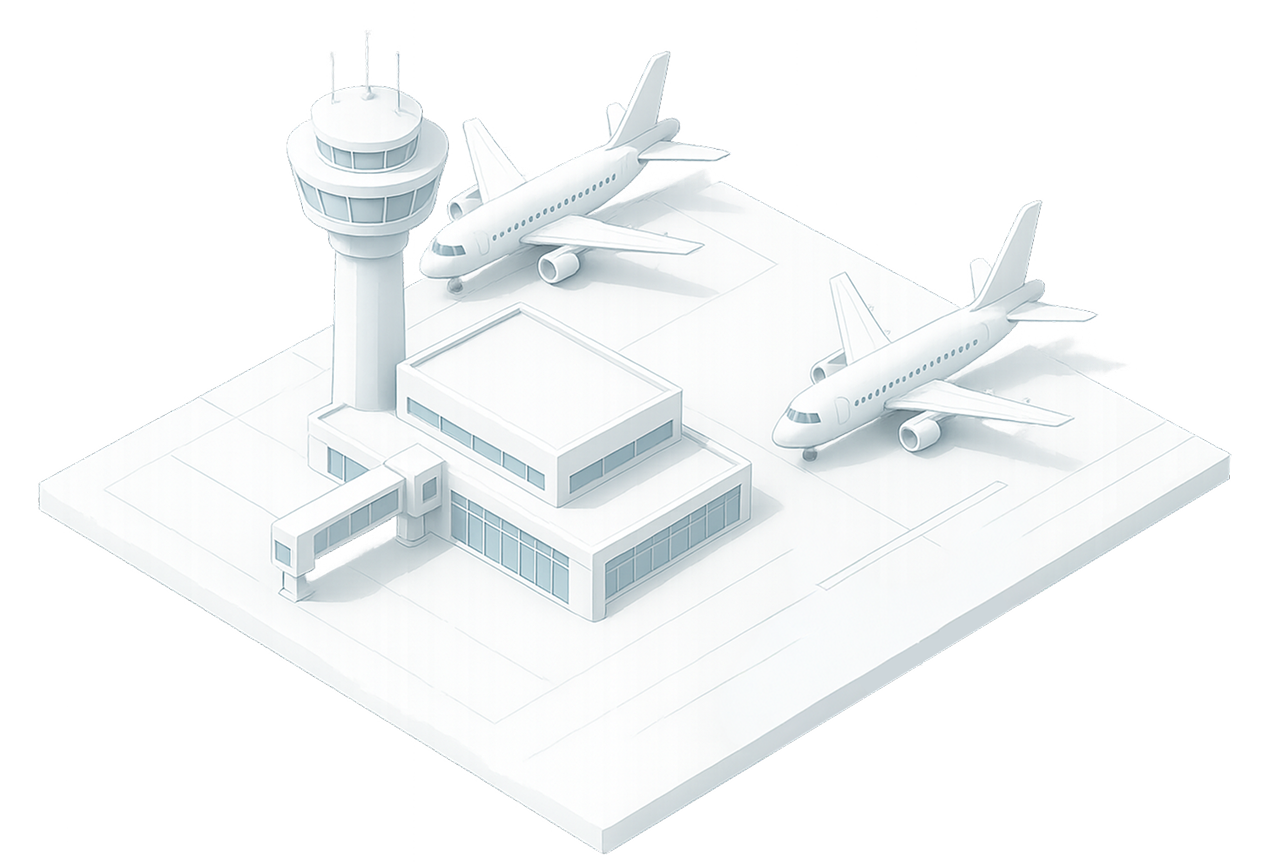

Overview of the Airport
Malatya Erhaç Airport (MLX) is located approximately 27-34 km west of Malatya city center. Opened in 1941, it serves as a vital hub for domestic flights and military operations in Eastern Turkey.
38.4352989, 38.0909996
Growth Trend
Passenger traffic has shown steady recovery post-pandemic, with a 4.2% increase year-over-year.

Employment
1,200
Personnel include airline staff, ground services, security, and military operations.

Global Ranking
Market Share of Major Airlines
Capacity Expansion
Recent terminal upgrades have increased annual passenger and cargo handling capacity.

Technological Advancements
Deployment of advanced security screening and digital check-in systems enhances efficiency.

Sustainability Initiatives
Initiatives include energy-efficient lighting and waste reduction programs in line with national standards.

Latest News & Updates
Recent developments and updates for Malatya Erhaç Airport.
Malatya Erhaç Airport Receives 350,000 Passengers in 2023
Malatya Erhaç Airport achieved a significant increase in passenger traffic throughout the year 2023, welcoming approximately 350,000 travelers. This represents a substantial growth compared to previous years, highlighting the airport's expanding role in regional air travel.
Malatya Erhaç Airport's Passenger Numbers Surge with Winter Flights
The passenger volume at Malatya Erhaç Airport has seen a notable rise during the winter flight season, driven by increased travel demand for holiday destinations and business trips. Airport officials attribute this growth to strategic flight routes and improved connectivity.
Malatya Erhaç Airport expands its fleet capacity
Malatya Erhaç Airport continues to invest in its infrastructure, with recent efforts focused on increasing the fleet capacity of airlines operating at the airport. This expansion aims to accommodate growing passenger demand and support the region's economic development.

Operations Logistics & Timelines
Step-by-step process transit times for passengers and cargo.
For Clients
Passenger process times from arrival to gate.
- Arrival at Erhaç Airport (MLX)N/A
- Immigration & Baggage Claim30-60 mins
- Baggage Carousel to Ground Transportation10-20 mins
- Ground Transportation to Terminal5-15 mins
- Terminal Arrival & Check-in/Security30-60 mins
- Security Screening20-45 mins
- Gate Arrival15-30 mins
For Employees
Cargo handling deadlines and operational procedures.
- General Cargo Cut-off (Domestic)90 mins pre-departure
- General Cargo Cut-off (International)60 mins pre-departure
- Dangerous Goods (DG) Submission Cut-off45 mins pre-departure
- Hand Baggage Cut-off60 mins pre-departure
- Passenger Boarding Cut-off15 mins pre-departure
- Aircraft Turn Time - Maximum60 mins
- Cargo Loading - Maximum90 mins
- Airport Operating Hours06:00 - 23:00
Passengers' Tips & Tricks
- 1
Check Baggage Allowance Carefully
Malatya Erhaç Airport, like all Turkish Airlines airports, has specific baggage allowance rules. Ensure you understand the weight and size restrictions for both checked and carry-on baggage to avoid excess baggage fees. Check the Turkish Airlines website for the most up-to-date information before your flight.
- 2
Arrive Early for Domestic Flights
Due to potential delays and security checks, it's advisable to arrive at least 60-90 minutes before your domestic flight departure time. This allows ample time to navigate the terminal and complete any necessary procedures.
- 3
Currency Exchange Options
While some vendors may offer currency exchange, it's generally recommended to exchange currency before arriving at the airport or at an ATM upon arrival in Malatya. The exchange rates at the airport may be less favorable.
- 4
Terminal Layout and Services
The airport terminal is relatively small, so familiarize yourself with the layout beforehand. Information desks are available to assist with directions and inquiries. There are restaurants and shops within the terminal offering various services and refreshments.
- 5
Security Procedures
Be prepared for standard security screening procedures, including removing electronics and liquids from your carry-on luggage. Follow the instructions of the security personnel closely and have your boarding pass and identification readily available.
Cargo Tips & Tricks
- 1
Understand Local Regulations & Customs
Malatya Erhaç Airport operates under Turkish aviation regulations. Thoroughly research and adhere to customs procedures for both import and export, including documentation requirements for goods. Ensure all necessary permits are obtained beforehand to avoid delays and potential fines. Contact the airport authorities directly for clarification on specific requirements related to your cargo type.
- 2
Optimize for Weather Conditions
Malatya experiences significant seasonal weather fluctuations, particularly cold winters with potential snow and ice. Inform the airline or freight forwarder of your shipment’s sensitivity to temperature. Utilize climate-controlled containers or specialized packaging to protect your goods from extreme conditions. Monitor weather forecasts closely.
- 3
Consider Route Efficiency – Ground Transportation
Due to its regional location, transportation time from MLX to major markets might be longer than from larger international hubs. Plan your route carefully, factoring in ground transportation distances and potential road conditions. Utilizing a reliable local freight forwarder experienced with regional routes is highly recommended for optimized logistics.
- 4
Secure Your Cargo – Emphasis on Security
Given the airport's size, security protocols are important. Ensure your cargo is properly secured within the aircraft or container to prevent shifting during transit. Utilize appropriate labeling and documentation clearly indicating the contents and handling instructions. Work with a reputable freight forwarder with robust security procedures.
- 5
Contact MLX Operations Directly
For the most up-to-date information on operational procedures, runway closures, and any specific requirements for your shipment, it is vital to contact Malatya Erhaç Airport operations directly. Their website ([https://www.malatyaerhas.com/en/](https://www.malatyaerhas.com/en/)) should provide contact information. A direct conversation can mitigate potential misunderstandings and ensure a smoother shipment process.
Tools & Resources
Essential tools, portals, and resources for clients and partners.
Data & Reports
Official statistics, research reports, and data tracking for Malatya Erhaç Airport.
Airport Statistics Malatya | Erhaç | MLX
Provides constantly updated airport statistics for Malatya Erhaç Airport, including Delay Index and Airport Movements Chart.
IATA - World Air Transport Statistics (WATS)
IATA's WATS provides aviation statistics covering demand and traffic, route performance, passenger and freight forecasts, and airline/airport rankings.
Data Center - ACI World
ACI World gathers, analyzes, and shares vital airport and air travel industry data, including passenger and cargo traffic statistics.
Malatya Erhac Airport Profile | CAPA - Centre for Aviation
CAPA provides data and analysis on Malatya Erhaç Airport, including details on airport investors, airlines, and suppliers.
Malatya Airport - Wikipedia
Wikipedia page providing general information about Malatya Erhaç Airport, including its history and location.
Location & Maps
Find Malatya Erhaç Airport on popular mapping services.
Interactive Map
Map Legend
Loading Google Maps...
Frequently Asked Questions
Common inquiries about operations and logistics at Malatya Erhaç Airport.
What is the passenger process like at Malatya Erhaç Airport (MLX)?
Passengers arriving at MLX typically proceed through security screening after presenting their boarding pass and identification. After security, you’ll find baggage claim areas for arrivals and departure gates for departures. The airport offers a variety of shops and restaurants for passenger convenience. For detailed arrival and departure information, please visit the airport's official website or contact the airport directly.
What cargo handling services are available at Malatya Erhaç Airport?
MLX offers cargo handling services including warehousing, customs clearance, and freight forwarding. They have a dedicated cargo terminal to manage air cargo operations. Specific details regarding services and rates can be obtained by contacting the airport's cargo department or a partner logistics provider.
What transport options are available to and from Malatya Erhaç Airport?
Several transport options are available to and from MLX. Taxis operate from outside the terminal, and shuttle services are also available. Public bus services connect the airport to the city center of Malatya. Car rental agencies are located at the airport for those who prefer to drive. Ride-sharing services are also increasingly available.
Does Malatya Erhaç Airport have any unique features or services?
MLX is notable for being one of the few airports in Turkey that offers helicopter services for regional travel. It also boasts a convenient location within the city, making it easily accessible. Furthermore, the airport is actively developing its cargo capabilities to cater to the region’s growing trade demands.
For More Info
Third-party resources, government portals, ratings, and more.
