Niigata Airport
A key regional gateway in Japan, supporting domestic and international flights for Niigata Prefecture.


Overview of the Airport
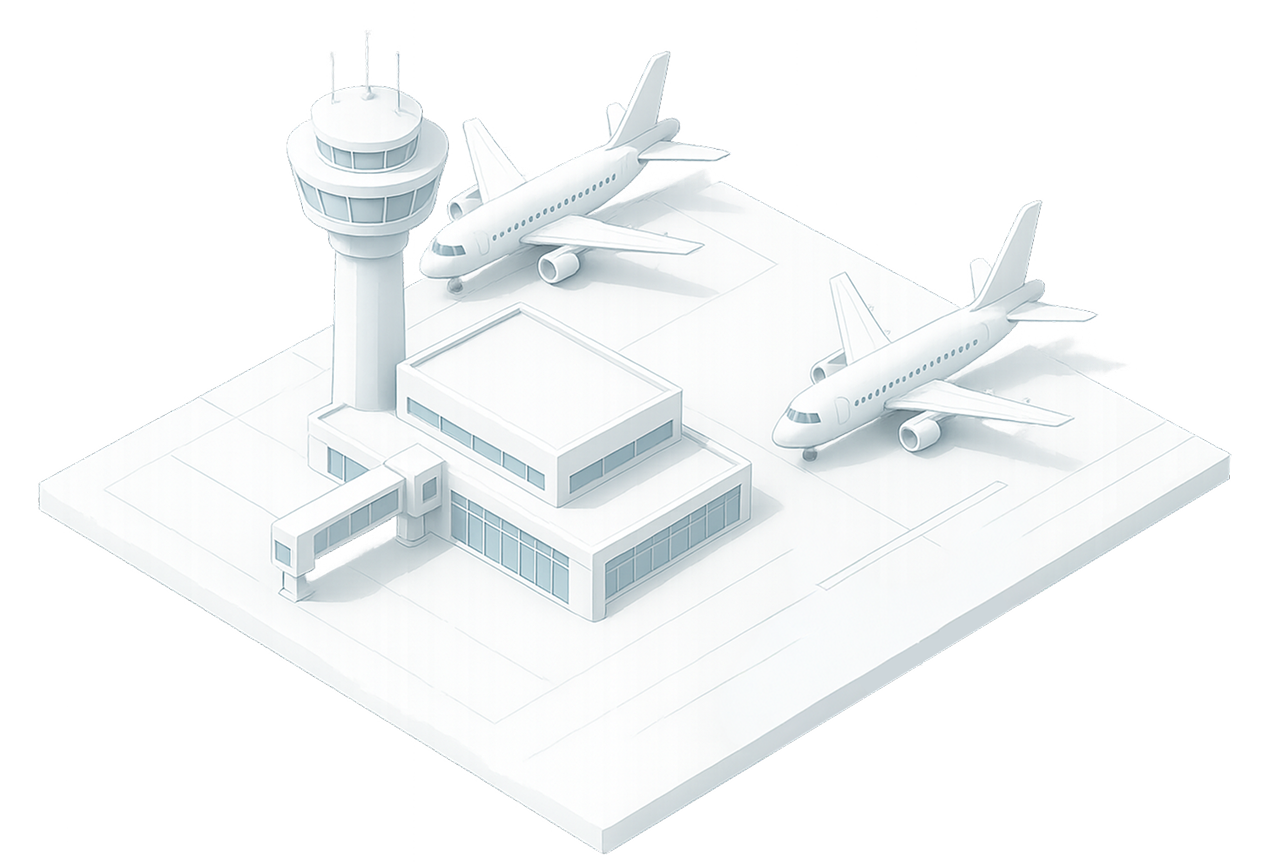
Niigata Airport (KIJ) is located 6.7 km northeast of central Niigata City, serving as the primary airport for the region with connections to major Japanese and select international destinations.
37.9559, 139.1210
Growth Trend
Passenger traffic declined by 27.5% year-over-year due to pandemic impacts, while cargo capacity increased modestly[9][2].

Employment
1,200
Staff include airline personnel, ground handlers, retail workers, and airport operations teams.

Global Ranking
Market Share of Major Airlines
Capacity Expansion
Ongoing terminal upgrades and apron expansions are set to boost passenger and cargo handling capacity.

Technological Advancements
Deployment of automated check-in kiosks and advanced baggage screening enhances operational efficiency.
Sustainability Initiatives
Initiatives include LED lighting, energy-efficient HVAC systems, and support for sustainable aviation fuels.

Latest News & Updates
Recent developments and updates for Niigata Airport.
Niigata Airport to see increased flights from Tokyo amid winter travel surge
Niigata Airport (KIJ) is anticipating a significant increase in flights from Tokyo during the upcoming winter season, driven by rising demand for domestic travel.
Niigata Airport to begin operating flights to Narita in spring 2026
Niigata Airport (KIJ) will start offering direct flights to Narita Airport (NRT) starting in spring 2026, expanding its international route network. This new route will provide convenient access to Tokyo for passengers traveling from the Koshinetsu region.
Korean Air expands flights from Niigata Airport to Manila
Korean Air is increasing its offerings from Niigata Airport (KIJ) to Ninoy Aquino International Airport (MNL), with 9 connecting flights per week. This expanded service caters to the growing demand for travel between Japan and the Philippines.

Operations Logistics & Timelines
Step-by-step process transit times for passengers and cargo.
For Clients
Passenger process times from arrival to gate.
- Arrival & Baggage Claim5-15 mins
- Immigration3-9 mins
- Security6-15 mins
- Transfer to Gate5-10 mins
- Final Boarding5-10 mins
For Employees
Cargo handling deadlines and operational procedures.
- General Cargo Cut-off60 mins pre-departure
- Cargo Booking & DocumentationTBD
- Cargo Inspection & VerificationTBD
- Loading onto ULDsTBD
- Weighing & MeasurementTBD
- Stowing in AircraftTBD
- Final Security CheckTBD
Passengers' Tips & Tricks
- 1
Arrive Early
Niigata Airport (KIJ) can experience significant wait times, particularly during peak hours. Security lines often average 15 minutes, and immigration can take around 9 minutes. Allow extra time to account for potential delays and navigate the terminal efficiently.
- 2
Utilize Wait Time Information
Check FlightQueue.com for real-time security and immigration wait times at KIJ. This information can help you plan your arrival and minimize your time spent waiting in line.
- 3
Consider Transportation Options
While taxis are available, buses and trains are more cost-effective options to reach the airport from Niigata Station. The bus takes approximately 1 hour and costs around 800 JPY, while the train takes 1 hour and 15 minutes and costs 2,600 JPY.
- 4
Single Terminal Efficiency
Niigata Airport (KIJ) operates with a single terminal, which generally facilitates smooth passenger traffic. However, during busy periods, the terminal can still feel crowded, so plan accordingly.
- 5
Check Flight Status Updates
Before your departure, regularly check the FlightAware website or app for the latest flight status updates for your flight at KIJ (RJSN). This will help you stay informed about any potential delays or changes.
Cargo Tips & Tricks
- 1
Book in Advance
Air freight capacity at Niigata Airport (KIJ) can be limited, especially during peak seasons. Booking your cargo shipments well in advance allows you to secure space and potentially negotiate better rates.
- 2
Utilize ANA Cargo Services
ANA Cargo operates at Niigata Airport and offers comprehensive services including online booking, priority loading, and real-time shipment tracking, streamlining your cargo operations.
- 3
Leverage Proximity to Niigata Port
Being just 9km from Niigata Port provides a logistical advantage. Consider utilizing the port for consolidating shipments or connecting with sea freight for larger cargo volumes.
- 4
Confirm Flight Availability and Embargoes
Regularly check with International Cargo | ANA Cargo for flight availability, flight status, and any applicable embargoes that may impact your shipments through KIJ.
- 5
Coordinate with Fluent Cargo or Korean Air Cargo
Partnering with Fluent Cargo or Korean Air Cargo, located near Niigata Airport, can provide localized support and expertise for your air freight needs, ensuring efficient handling and documentation.
Tools & Resources
Essential tools, portals, and resources for clients and partners.
Data & Reports
Official statistics, research reports, and data tracking for Niigata Airport.
Niigata Airport Official Website - Statistics
Provides statistical data on passenger numbers, aircraft movements, and other key performance indicators for Niigata Airport.
Niigata Airport - Terminal 2
Official page describing the Terminal 2 facilities at Niigata Airport.
Niigata Airport - Access
Details various transportation options to and from Niigata Airport, including trains and buses.
Niigata Airport - About Us
General information about the airport, including its history, mission, and management.
Niigata Airport - Route Information
Lists the airlines operating at Niigata Airport and the destinations they serve.
Location & Maps
Find Niigata Airport on popular mapping services.
Interactive Map
Map Legend
Loading Google Maps...
Frequently Asked Questions
Common inquiries about operations and logistics at Niigata Airport.
What is the passenger processing like at KIJ?
KIJ utilizes a streamlined terminal layout with clear signage for domestic and international departures. Passengers typically proceed through security and customs quickly, with minimal wait times during peak hours. Automated passport control kiosks are available for eligible travelers.
How does KIJ handle cargo and freight?
KIJ operates a dedicated cargo terminal equipped for handling a variety of freight shipments. Customs clearance for cargo is conducted efficiently, and various transportation options, including trucking and rail, are readily available for onward delivery. The cargo terminal offers secure storage and handling facilities.
What transport options are available to and from KIJ?
Numerous bus routes connect KIJ directly to Niigata City and surrounding areas. Taxi services are also available outside the terminal. The airport is approximately 30 kilometers from Niigata Station, accessible by train.
For More Info
Third-party resources, government portals, ratings, and more.
