Pyongyang Sunan International Airport
North Korea’s primary international gateway, serving as the main hub for Air Koryo and connecting Pyongyang to select Asian cities.

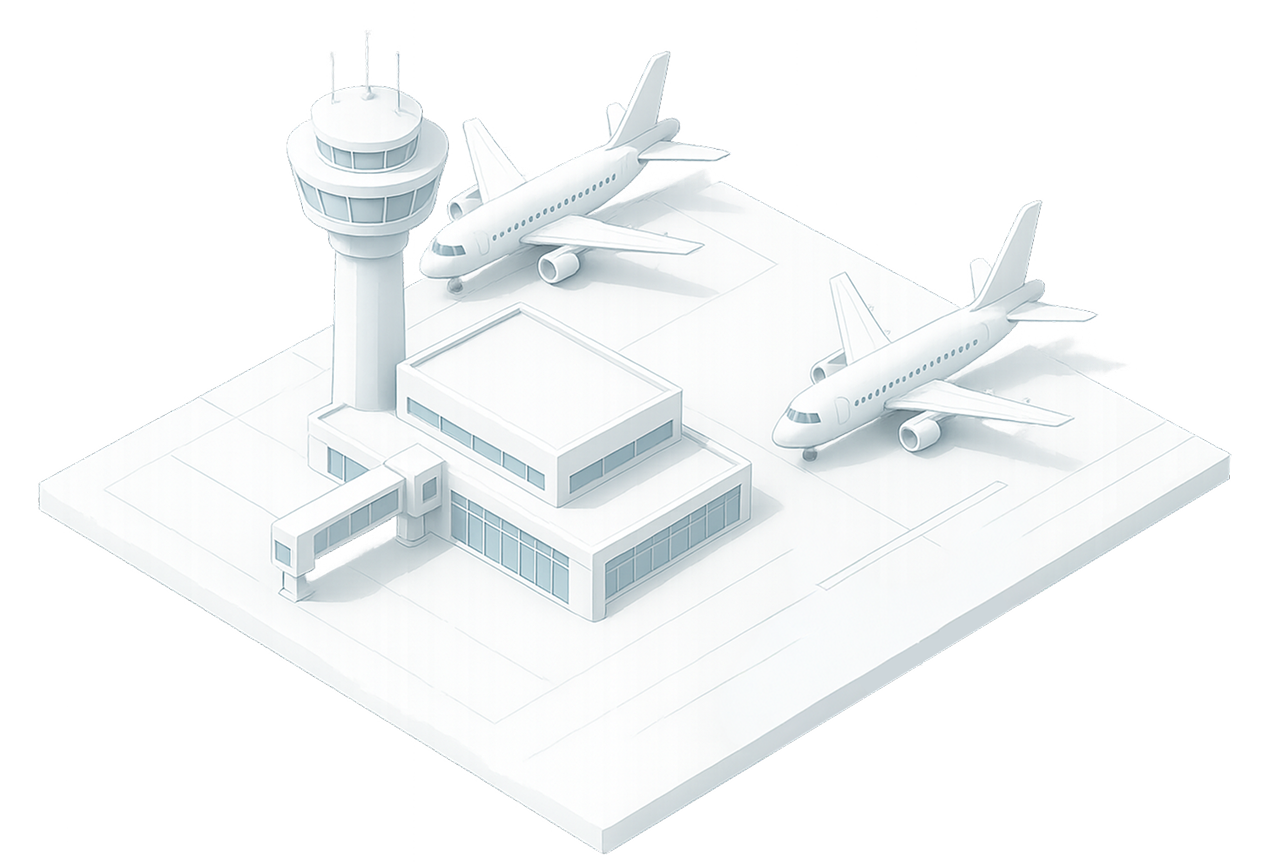

Overview of the Airport
Pyongyang Sunan International Airport (FNJ) is located 24 km north of central Pyongyang in the Sunan District. It is the sole international airport in North Korea, serving as the main entry and exit point for international travelers and diplomats. The airport features modern terminals and limited international connections.
39.22389, 125.67000
Growth Trend
Passenger traffic increased in 2023 after resumption of international flights post-pandemic.

Employment
1,200
Staff includes airline, ground handling, security, customs, and airport operations personnel.

Global Ranking
Market Share of Major Airlines
Capacity Expansion
Recent terminal renovations have increased passenger comfort, but overall capacity remains limited due to low flight frequency.

Technological Advancements
Modernized terminals feature updated security screening and digital flight information displays.
Sustainability Initiatives
Basic energy efficiency measures have been implemented, but large-scale sustainability programs are not reported.

Latest News & Updates
Recent developments and updates for Pyongyang Sunan International Airport.
PyongyangReconnects via Air China Beijing Flights: North Korea Tourism Revival
The Pyongyang Sunan International Airport is set to reconnect with Beijing via weekly Air China flights, starting late March 2026. This development marks a significant step in the controlled resumption of tourism in North Korea, following a six-year hiatus.
Air China Restarts Beijing–PyongyangPassenger Service After Four-Year Hiatus
Air China has scheduled the first regular commercial flight between Beijing and Pyongyang since early 2020, starting 30 March with weekly Monday services.
Air China set to reconnect Beijing and Pyongyang in North Korea
Direct flights between China and North Korea are set to return from March 30, 2026, following a six-year suspension. This resumption will allow Air China to operate a schedule and fares, offering opportunities for Chinese businesses and aid organizations to access Pyongyang.

Operations Logistics & Timelines
Step-by-step process transit times for passengers and cargo.
For Clients
Passenger process times from arrival to gate.
- Arrival & Baggage Claim10-20 mins
- Check-in5-15 mins
- Security Screening5-10 mins
- Immigration9-12 mins
- Baggage Reclaim10-15 mins
- Proceed to Gate5-10 mins
For Employees
Cargo handling deadlines and operational procedures.
- General Cargo Cut-off60 mins pre-departure
- Documentation ReviewUpon Arrival
- Customs and Security ScreeningImmediately After Arrival
- Cargo VerificationDetailed Inspection
- Release ProceduresFormal Release from Customs
- Bonding and Insurance ConfirmationEnsure Compliance
- Loading onto AircraftFinal Loading Stage
Passengers' Tips & Tricks
- 1
Arrive Early
Due to the unique travel environment in North Korea, it's crucial to arrive at Pyongyang Sunan International Airport (FNJ) well in advance of your scheduled departure. Delays are possible, and extra time is recommended for security checks and potential line-ups.
- 2
Be Aware of Photography Restrictions
Photography is heavily restricted within Pyongyang Sunan International Airport. Avoid taking photos of airport personnel, planes, or any areas where you are not explicitly permitted. Follow the instructions of airport staff at all times.
- 3
Expect a Unique Atmosphere
The airport environment is carefully curated and designed to showcase North Korean aviation. Be prepared for model aircraft displays and potentially staged interactions, reflecting the controlled atmosphere of the country.
- 4
Follow Local Customs and Regulations
North Korea has strict regulations regarding conduct and behavior. Adhere to all instructions from airport staff and local guides, and be mindful of local customs and traditions. Maintain a respectful and calm demeanor.
- 5
Utilize Airportia Flight Tracker
Keep an eye on your flight's status using resources like Airportia (airportia.com) for real-time flight tracking information and on-time performance ratings for Pyongyang Sunan International Airport (FNJ).
Cargo Tips & Tricks
- 1
Book in Advance
Due to the unique logistical constraints and limited air freight capacity of Pyongyang Sunan International Airport (FNJ), booking shipments well in advance is crucial. This allows sufficient time for customs clearance, import permits, and potential transportation arrangements, which can be significantly delayed.
- 2
Utilize Established Cargo Agents
Navigating the import/export procedures at FNJ requires specialized expertise. Engage reputable cargo agents familiar with North Korean regulations and customs protocols. Their local knowledge and established relationships are invaluable for smooth operations.
- 3
Prepare Comprehensive Documentation
Stringent documentation is paramount. Ensure all required import permits, customs declarations, and export licenses are meticulously prepared and accurately translated into Korean. Any discrepancies can lead to substantial delays.
- 4
Factor in Extended Transit Times
Expect significantly longer transit times compared to international airports in other countries. Allow ample buffer time for all stages of the process, from initial customs clearance to final delivery to the destination within Pyongyang.
- 5
Understand Local Regulations & Customs
North Korean customs regulations are highly specific and subject to change. Maintain continuous communication with your cargo agent and relevant authorities to stay informed about the latest requirements, restrictions, and potential import/export limitations.
Tools & Resources
Essential tools, portals, and resources for clients and partners.
Data & Reports
Official statistics, research reports, and data tracking for Pyongyang Sunan International Airport.
Wikipedia - Pyongyang International Airport
Provides general information about the airport, including its location and terminals.
Airportia - Pyongyang Sunan International Airport
Offers flight tracking and an on-time performance rating for the airport.
Flightradar24 - Pyongyang (FNJ) Airport Departures
Flight tracking data including route maps and schedules for flights to and from the airport.
Metarcentral - Pyongyang Sunan International Airport (ZKPY)
Provides aviation weather data from NOAA and international METAR/TAF providers.
Seabaycargo - FNJ - Pyongyang Sunan International Airport
Details the airport code, IATA and ICAO codes, and location information.
Location & Maps
Find Pyongyang Sunan International Airport on popular mapping services.
Interactive Map
Map Legend
Loading Google Maps...
Frequently Asked Questions
Common inquiries about operations and logistics at Pyongyang Sunan International Airport.
What is the passenger processing procedure?
Passengers typically proceed through immigration upon arrival, where passports and visas are checked. Baggage claim is located on the designated level, and customs officials inspect belongings before exit.
How does cargo/freight handling operate?
Cargo operations utilize dedicated facilities for sorting and handling shipments. Customs clearance is conducted for all freight, following established North Korean regulations.
What transport options are available at the airport?
Taxis are the primary mode of transport from the airport to hotels and other destinations within Pyongyang. Airport buses provide service to specific locations as determined by the Ministry of Tourism.
For More Info
Third-party resources, government portals, ratings, and more.
