Salzburg Airport W. A. Mozart
Austria's second-busiest airport, serving as a key gateway for tourism and winter sports in the region.


Overview of the Airport
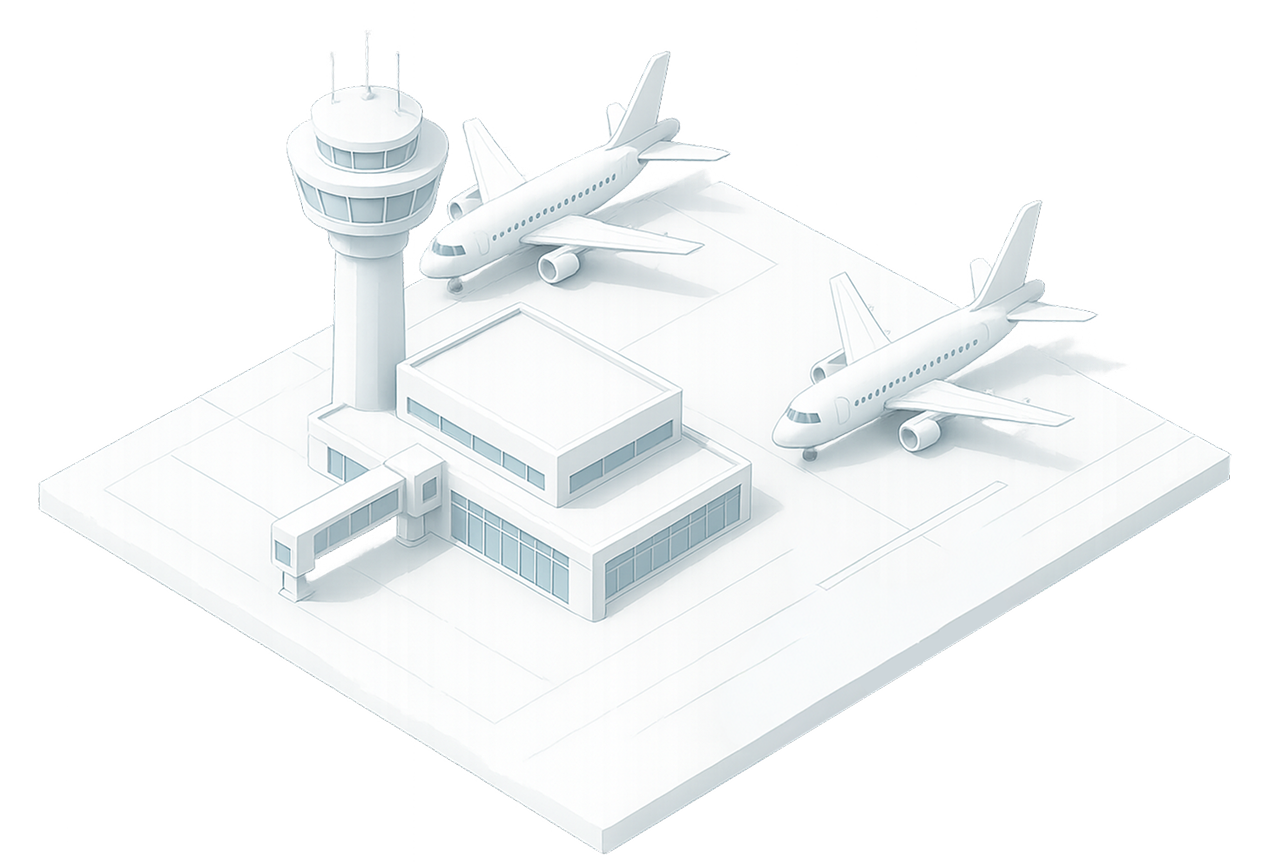
Salzburg Airport W. A. Mozart (SZG) is located about 3 km west of Salzburg city center. It is the main international airport for the province and a vital hub for leisure and seasonal traffic, especially during the winter sports season.
47.793304, 13.004333
Growth Trend
Passenger traffic increased by 10.7% in 2024, nearing pre-pandemic levels[3].

Employment
1,000
Employees include airline staff, ground handlers, security, retail, and airport operations personnel[1].

Global Ranking
Market Share of Major Airlines
Capacity Expansion
A major terminal renewal project is planned for 2026 to expand capacity and modernize passenger facilities[3].

Technological Advancements
Recent investments include new EU Standard 3 security equipment and a modern IT data center to enhance efficiency[3].

Sustainability Initiatives
Installation of a large photovoltaic system and energy-efficient building upgrades support environmental goals[3].

Latest News & Updates
Recent developments and updates for Salzburg Airport W. A. Mozart.
Salzburg Airport Announces New Winter Flight Schedule – Including Connections to Dubai and Maldives
Salzburg Airport is ramping up its winter flight offerings, with new connections to Dubai and the Maldives, alongside traditional winter routes. This expansion aims to cater to a wider range of travelers and boost tourism to the region.
Salzburg Airport’s New Terminal Expansion Completed – Focus on Sustainability
The much-anticipated expansion of Salzburg Airport’s Terminal 1 is now complete, featuring enhanced passenger facilities and a significant focus on sustainable design and technology. The airport is committed to reducing its environmental impact.
Salzburg Airport Experiences High Passenger Numbers During Autumn Season
Salzburg Airport has reported strong passenger numbers during the autumn season, exceeding expectations and signaling a positive start to the winter travel period. Increased demand for both leisure and business travel contributed to the strong performance.
Operations Logistics & Timelines
Step-by-step process transit times for passengers and cargo.
For Clients
Passenger process times from arrival to gate.
- Arrival Terminal15-30 mins
- Baggage Claim10-20 mins
- Passport Control (if applicable)5-15 mins
- Terminal Transfer to Gate5-10 mins
- Gate Security10-20 mins
For Employees
Cargo handling deadlines and operational procedures.
- General Cargo Cut-off - Domestic60 minutes pre-departure
- General Cargo Cut-off - International90 minutes pre-departure
- Dangerous Goods Cut-off (Domestic)45 minutes pre-departure
- Dangerous Goods Cut-off (International)75 minutes pre-departure
- Hand Baggage Cut-off (Flights to/from Europe)60 minutes pre-departure
- Hand Baggage Cut-off (Flights to/from Outside Europe)90 minutes pre-departure
- Live Animals Cut-off60 minutes pre-departure
- Size Restrictions (Pallets)Varies - Refer to Operational Manual
- Weight Restrictions (Pallets)Varies - Refer to Operational Manual
- Flight Manifest ReviewOngoing
- Security BriefingPrior to Shift Start
Passengers' Tips & Tricks
- 1
Arrive Early
Salzburg Airport (SZG) can get busy, especially during peak season and weekends. Allow at least 1.5-2 hours before your scheduled departure to account for security lines, passport control, and potential delays.
- 2
Check Baggage Restrictions
Ryanair, a major carrier at SZG, has strict baggage restrictions, particularly for carry-on luggage. Double-check their website before traveling to avoid unexpected fees or having your bags rejected.
- 3
Utilize the Airport Bus
The Airport Bus (Line A) provides a reliable and affordable connection to Salzburg city center (Hauptbahnhof - main train station). Buses depart every 15-30 minutes and the journey takes approximately 30-45 minutes.
- 4
Currency Exchange is Limited
While there's a currency exchange counter at the airport, rates may not be the most competitive. It's often advantageous to exchange currency in Salzburg city center before arriving at the airport.
- 5
Follow Airport Signage Carefully
Salzburg Airport is relatively small, but signage can be slightly confusing. Pay close attention to directional signs, especially when navigating to baggage claim or the bus terminal.
Cargo Tips & Tricks
- 1
Book in Advance
Air freight capacity at Salzburg Airport (SZG) is limited and heavily influenced by passenger flight schedules. Booking cargo shipments well in advance, particularly during peak seasons (festivals, ski season), significantly increases the chances of securing space and competitive rates. Early booking allows the airline to plan and optimize cargo loading.
- 2
Utilize Charter Options
For urgent or oversized shipments, consider chartering a dedicated aircraft. Charter flights offer greater flexibility and guaranteed capacity, circumventing potential availability issues associated with scheduled cargo services. Explore options with specialized charter operators familiar with European airport operations.
- 3
Optimize Package Dimensions
SZG has specific cargo ramp limitations. Carefully plan package dimensions to maximize volumetric efficiency and minimize the number of shipments. Utilize palletized freight where feasible to reduce stacking requirements and ensure smooth handling.
- 4
Leverage Local Forwarder Expertise
Partnering with a local freight forwarder experienced with SZG is crucial. They possess in-depth knowledge of airport procedures, customs regulations, and established relationships with airlines and handlers, streamlining the logistics process and reducing potential delays.
- 5
Prepare Comprehensive Documentation
Accurate and complete documentation is paramount. Ensure all shipping documents, including commercial invoices, packing lists, and customs declarations, are meticulously prepared and readily available to avoid delays at customs and during handling. Familiarize yourself with Austrian and EU regulations regarding air cargo.
Tools & Resources
Essential tools, portals, and resources for clients and partners.
Data & Reports
Official statistics, research reports, and data tracking for Salzburg Airport W. A. Mozart.
Annual Statistics 2024
Official statistics for Salzburg Airport W. A. Mozart covering passenger numbers, aircraft movements, MTOW, freight, and staff.
Statistics
Latest facts and figures including flights, airlines, and passenger movements.
Salzburg Airport - Centre for Aviation Report (2024)
Press release from Centre for Aviation detailing passenger and cargo statistics for 2024.
Jahres-Statistiken zum Salzburg Airport W. A. Mozart
Yearly statistical figures for Salzburg Airport W. A. Mozart - Passagiere, Bewegungen, MTOW, Fracht, Personal.
Salzburg Airport - Wikipedia
Wikipedia page providing general information about Salzburg Airport W. A. Mozart, including its role and significance.
Location & Maps
Find Salzburg Airport W. A. Mozart on popular mapping services.
Interactive Map
Map Legend
Loading Google Maps...
Frequently Asked Questions
Common inquiries about operations and logistics at Salzburg Airport W. A. Mozart.
What is the passenger process like at Salzburg Airport (SZG)?
Passengers arriving at Salzburg Airport (SZG) typically follow a standard process: disembarking the aircraft, proceeding through passport control (if required), and then collecting baggage from baggage claim. Customs is located after the passport control area. The airport offers a variety of services including car rental, taxis, and public transportation connections to Salzburg city center.
How does Salzburg Airport handle cargo?
Salzburg Airport (SZG) offers cargo handling services through its cargo terminal. They primarily handle general cargo, including freight and postal shipments. The airport supports both express and standard freight services, with connections to major European destinations. Specific cargo handling capabilities can be found on the airport's website or by contacting their cargo operations department.
What transport options are available to and from Salzburg Airport?
Salzburg Airport (SZG) is well-connected. Public transportation includes the regional bus line 206, which connects the airport to Salzburg city center and other towns in the region. Taxis are readily available, and car rental agencies are located within the airport terminal. Train services are also available, with connections to Salzburg Hauptbahnhof (main station).
Does Salzburg Airport have a specific connection to the Mozart Cultural Heritage Route?
Yes, Salzburg Airport (SZG) is strategically located near the Mozart Cultural Heritage Route. The airport is easily accessible via public transport (bus line 206) and taxis to key locations along the route, including Mozart's birthplace, Mozart's Residence, and other significant Mozart-related sites in Salzburg.
For More Info
Third-party resources, government portals, ratings, and more.
