Subic Bay International Airport
A key international gateway and main diversion airport for Metro Manila, serving Central Luzon and the Subic Bay Freeport Zone.


Overview of the Airport
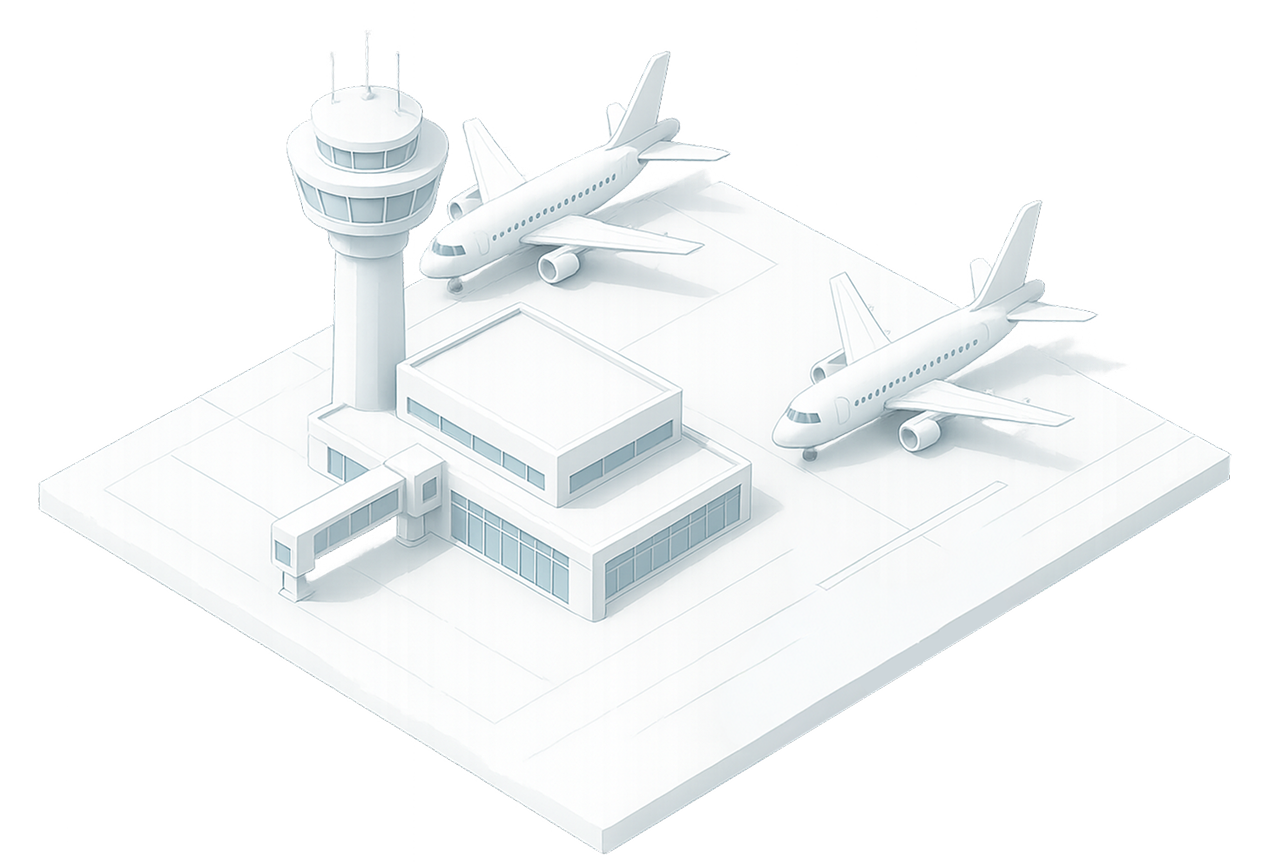
Subic Bay International Airport (SFS) is located in the Subic Bay Freeport Zone, about 5.5 km southwest of Olongapo City. It serves as a secondary and diversion airport for Ninoy Aquino International Airport and provides access to major tourist and economic areas in Central Luzon. The airport occupies a 200-hectare site on the former U.S. Naval Air Station Cubi Point.
14.7940, 120.2711
Growth Trend
Passenger traffic increased by 12% in 2023 due to expanded domestic and charter operations.

Employment
1,200
Personnel include airline staff, ground handlers, security, customs, and airport authority employees.

Global Ranking
Market Share of Major Airlines
Capacity Expansion
Recent terminal upgrades and apron expansions have increased capacity for both passenger and cargo operations.

Technological Advancements
Deployment of advanced security screening, digital flight information systems, and improved air traffic management enhances operational efficiency.
Sustainability Initiatives
Implementation of energy-efficient lighting, waste management programs, and green landscaping supports environmental goals.

Latest News & Updates
Recent developments and updates for Subic Bay International Airport.
PBBM bullish on expanded, more modern seaport, airport for SBMA in 2028
President Ferdinand Marcos Jr. is optimistic about major upgrades to Subic Bay’s seaport and airport facilities, aiming to modernize infrastructure and enhance trade and tourism by 2028.
Soaring to new heights: A new runway of the airport was constructed by the Hanjin Heavy Industries and Construction Philippines in 1993 and was completed in April of 1995, just in time for the inaugural landing of FedEx Express MD-11 and the formal opening of FedEx's AsiaOne hub.
The construction of the new runway by Hanjin Heavy Industries and Construction Philippines in 1993 was completed in April of 1995. This allowed for the inaugural landing of FedEx Express MD-11 and the formal opening of FedEx's AsiaOne hub.
New passenger terminal opens at Subic Bay International Airport
A new US$12.6-million passenger terminal, with a capacity to handle 6 million passengers per year, was inaugurated on November 4, 1996. The terminal was built by Summa Kumagai Inc.
Operations Logistics & Timelines
Step-by-step process transit times for passengers and cargo.
For Clients
Passenger process times from arrival to gate.
- Arrival & Baggage Claim10-20 mins
- Check-in5-15 mins
- Security Screening20-45 mins
- Passport Control10-20 mins
- Baggage Reclaim15-30 mins
- Gate Arrival5-10 mins
For Employees
Cargo handling deadlines and operational procedures.
- General Cargo Cut-off60 mins pre-departure
- Arrival Notification24 hours pre-departure
- Customs Clearance (Initial)Upon Arrival
- Cargo VerificationImmediately after Customs
- Stowage & SecuringAs per airline/cargo requirements
- Loading onto AircraftPrior to departure cut-off
- Final Customs CheckBefore loading
Passengers' Tips & Tricks
- 1
Arrive Early
Allow extra time for check-in, security, and potential delays. SFS can get busy, especially during peak travel seasons.
- 2
Utilize Automated Check-In
Take advantage of the automated check-in counters and conveyor belts for a faster and more efficient check-in process. This significantly reduces queueing times.
- 3
Explore Duty-Free Shopping
The airport offers 1,200 sqm of retail space with various duty-free shops. Plan your purchases to maximize your savings.
- 4
Confirm Terminal Information
Ensure you're traveling to the correct terminal (Terminal 1 or Terminal 2) before heading to your gate. Check your flight details for the designated terminal.
- 5
Transportation Options
Pre-arrange your transportation to Manila or other destinations. Options include taxis, shuttle services, and private car rentals. Consider booking in advance.
Cargo Tips & Tricks
- 1
Book in Advance
Air freight capacity at SFS is influenced by seasonal demand and global events. Booking shipments well in advance allows for better planning, securing space, and potentially negotiating favorable rates.
- 2
Utilize Cargo Handling Services
Leverage the airport's dedicated cargo handling services for efficient loading, unloading, storage, and documentation processing. Partnering with experienced ground handling companies ensures smooth and timely operations.
- 3
Optimize Consolidation Strategies
To maximize cargo space and minimize costs, explore consolidation options. Combine shipments from multiple sources to utilize container space effectively, especially for smaller or less frequent deliveries.
- 4
Understand Import/Export Procedures
Maintain a thorough understanding of Philippine import and export regulations, including customs clearance processes. Utilizing the airport's coordination with port terminals streamlines the overall supply chain.
- 5
Stay Informed on Terminal Upgrades
Be aware of recent terminal upgrades and apron expansions that have increased capacity for both passenger and cargo operations. Utilizing the latest infrastructure enhances operational efficiency.
Tools & Resources
Essential tools, portals, and resources for clients and partners.
Data & Reports
Official statistics, research reports, and data tracking for Subic Bay International Airport.
Data and Statistics of SBIA
Official data and statistics for Subic Bay International Airport, including aircraft, passenger, and cargo movements from 2015-2025.
Airport Statistics Subic Bay Freeport Zone
Constantly updated airport statistics for Subic Bay International Airport from a flight database.
Passenger and Cargo Volume
Data requests for passenger traffic (disembarked/embarked) and cargo throughput (2024) and passenger traffic (2018-2024) at SBMA.
Subic Bay International Airport SFS Flight Statistics
Comprehensive flight statistics for Subic Bay International Airport, including on-time performance, delays, and cancellations.
Airport Movement Statistics - AirNav Radar
Airport movement statistics provided by AirNav Radar, a global flight tracking system.
Location & Maps
Find Subic Bay International Airport on popular mapping services.
Interactive Map
Map Legend
Loading Google Maps...
Frequently Asked Questions
Common inquiries about operations and logistics at Subic Bay International Airport.
What is the passenger processing procedure?
Passengers typically proceed through security screening upon arrival and departure. Check-in counters are located in the international and domestic terminals for baggage drop-off and ticketing. Immigration processing is conducted in the arrivals area.
How is cargo/freight handled at SFS?
Subic Bay International Airport handles cargo and freight through dedicated facilities for customs clearance and storage. Customs brokers and freight forwarders operate within the airport to facilitate international shipments. Secure warehousing options are available for various cargo types.
What transport options are available to the airport?
Taxis and tricycles are readily available outside the airport terminals. Several car rental companies operate within a short distance, offering vehicles for hire. Bus services connect the airport to key destinations in Olongapo and surrounding areas.
For More Info
Third-party resources, government portals, ratings, and more.
