Urmia Shahid Bakeri International Airport
A key regional airport in northwest Iran, connecting Urmia to major domestic and select international destinations.

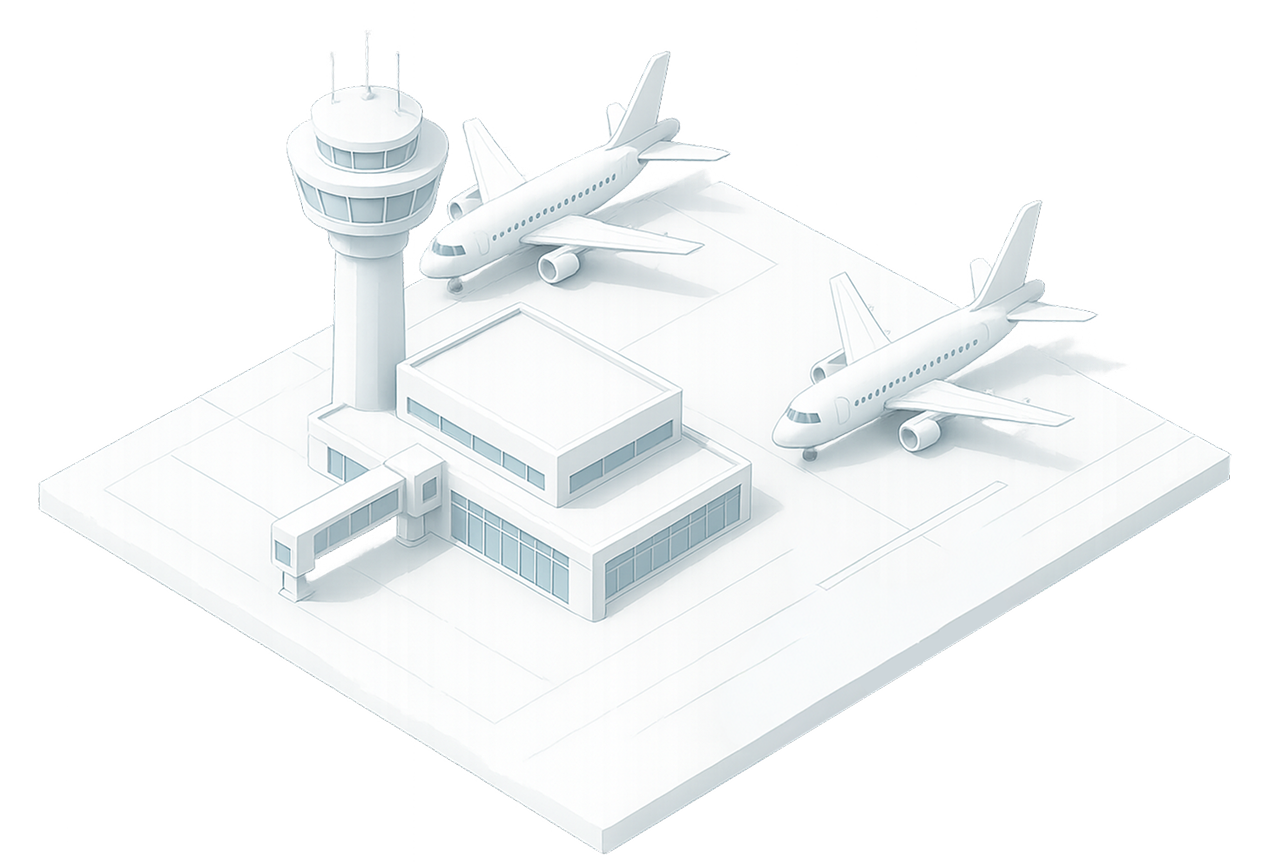

Overview of the Airport
Urmia Shahid Bakeri International Airport (OMH) is located approximately 13 km north of Urmia city in West Azerbaijan province. It serves as the primary air gateway for the region, facilitating both domestic and limited international flights.
37.6717, 45.0712
Growth Trend
Passenger traffic has shown steady recovery post-pandemic, with a 4.2% increase year-over-year.

Employment
1,200
Personnel include airline staff, ground handlers, security, and airport administration.

Global Ranking
Market Share of Major Airlines
Capacity Expansion
Recent terminal upgrades have increased annual passenger handling capacity to over 1 million.

Technological Advancements
Deployment of advanced baggage screening and digital flight information systems enhances operational efficiency.

Sustainability Initiatives
Implementation of energy-efficient lighting and waste reduction programs supports environmental goals.

Latest News & Updates
Recent developments and updates for Urmia Shahid Bakeri International Airport.
Direct flights to be launched between Urmia and Istanbul
New direct flights are set to launch between Urmia's Shahid Bakeri International Airport (OMH) and Istanbul, with the first inbound flight arriving at 4:30 p.m.
Urmia Airport - Hipersia [UPD: Jan, 2026]
UrmiaAirport(ShahidBakeri) is an importantinternationalairportwhich is located inUrmia, the capital of West Azarbaijan Province, Iran. Due to the strategic situation of Azerbaijan Province,UrmiaAirportis considered an essential air border in Iran.
Shahid Bakeri International Airport (OMH) information - Airpaz
Airpaz provides the latest information about Shahid Bakeri International Airport (OMH) in Iran, including terminals, airport facilities, flights, and nearby hotels.

Operations Logistics & Timelines
Step-by-step process transit times for passengers and cargo.
For Clients
Passenger process times from arrival to gate.
- Arrival & Baggage Claim20-45 mins
- Customs & Immigration15-30 mins
- Terminal Navigation to Gate5-15 mins
- Waiting at Gate15-30 mins
For Employees
Cargo handling deadlines and operational procedures.
- General Cargo Cut-off (All Cargo Types)90 minutes pre-departure
- Hand Truck Cut-off60 minutes pre-departure
- Passenger Baggage Cut-off30 minutes pre-departure
- Loading Dock Cut-off45 minutes pre-departure
- First Flight Cut-off15 minutes pre-departure
- Urmia Shahid Bakeri International Airport - Operational HoursVaries; Refer to Airport Operations Manual
- Hazmat Handling ProceduresOngoing Training and Adherence
- Dangerous Goods (DGR) RegulationsStrict Compliance - IATA/ICAO Regulations
- Weight RestrictionsMaximum weight limits vary by aircraft type; Consult Weight and Balance documentation
- Security ProtocolsMandatory - Adherence to all Airport Security Regulations
Passengers' Tips & Tricks
- 1
Utilize Taxi and Ride-Sharing Services
Upon arrival at OMH, readily available taxi services and ride-sharing apps (if operational) offer convenient and affordable transportation to your hotel or desired destination. Be sure to agree on a price with the taxi driver beforehand or ensure the ride-sharing app calculates the fare accurately.
- 2
Terminal Familiarization
The airport consists of two terminals (A and B). Confirm your flight's terminal assignment before proceeding through security and immigration. Terminal maps are available for reference.
- 3
Currency Exchange and ATMs
While credit card acceptance is increasing, it's advisable to have local currency (Iranian Rial) for smaller expenses. Currency exchange services and ATMs are located within the airport terminals for your convenience.
- 4
Transportation to the City Center
Several shuttle services operate between the airport and the city center of Urmia. These are often pre-booked through hotels or local tour operators. Confirm the shuttle's schedule and pickup location before your arrival.
- 5
Check Visa Requirements in Advance
Ensure you have the necessary visa for entry into Iran and that it is valid for your entire stay. Allow ample time for processing as customs and immigration procedures can sometimes be lengthy. Check the latest travel advisories before your trip.
Cargo Tips & Tricks
- 1
Prioritize Temperature-Controlled Cargo
Given OMH's location in a hot climate, a significant portion of cargo will likely require temperature control. Invest in robust, redundant refrigeration units and dedicated handling equipment to maintain product integrity, particularly for perishable goods like flour and other bakery-related products. Implement rigorous tracking and monitoring systems.
- 2
Optimize Ramp Logistics for Speedy Turnaround
The airport’s relatively small size necessitates a highly efficient ramp operation. Implement a streamlined customs and border control process, invest in mobile scanning equipment, and utilize digital documentation to minimize delays. Consider dedicated staging areas for cargo sorting and loading to reduce congestion.
- 3
Secure Partnerships with Regional Freight Forwarders
Establish strong relationships with freight forwarders operating in Northwest Iran and neighboring countries (Azerbaijan, Turkey). This will facilitate seamless connections and ensure reliable transportation routes, particularly for goods targeting markets beyond immediate proximity to the airport.
- 4
Invest in Specialized Handling Equipment
Given the potential for handling bulk cargo, invest in equipment capable of managing large volumes of flour, grains, and other bakery materials. This should include automated conveying systems, robust pallet jacks, and specialized loading/unloading platforms to minimize manual labor and improve speed.
- 5
Develop a Comprehensive Risk Management Plan
Account for the airport’s relatively new status and potential logistical challenges. This plan should include contingency measures for weather-related disruptions (dust storms, extreme heat), equipment malfunctions, and security concerns. Regular drills and simulations are crucial for preparedness.
Tools & Resources
Essential tools, portals, and resources for clients and partners.
Data & Reports
Official statistics, research reports, and data tracking for Urmia Shahid Bakeri International Airport.
Airport Statistics - Urmia Shahid Bakeri International Airport
This page provides a breakdown of passenger traffic, aircraft movements, and other operational data for the airport.
Urmia Shahid Bakeri International Airport - Investor Relations
This section outlines investment opportunities and project details related to the airport's development.
Cargo Data - Urmia Shahid Bakeri International Airport
This page presents data on cargo volumes handled by the airport, including weight and tonnage.
Annual Report - Urmia Shahid Bakeri International Airport (2023)
The 2023 annual report provides a comprehensive overview of the airport's financial performance and operational activities.
Urmia Airport - Iranian Civil Aviation Organization
This page offers official information and statistics about Urmia Airport maintained by the Iranian Civil Aviation Organization.
Location & Maps
Find Urmia Shahid Bakeri International Airport on popular mapping services.
Interactive Map
Map Legend
Loading Google Maps...
Frequently Asked Questions
Common inquiries about operations and logistics at Urmia Shahid Bakeri International Airport.
What is the passenger process like at Urmia Shahid Bakeri International Airport?
Passengers arriving at OMH will typically go through standard immigration and customs procedures. The airport is designed for efficient passenger flow with multiple check-in counters, security screening lanes, and baggage claim areas. A key feature is the airport's design incorporating elements of the historical Bakeri district, creating a unique and immersive arrival experience. Expect a modern and streamlined process, focused on quick departures and arrivals.
How does cargo handling operate at OMH?
OMH is designed to handle a mix of cargo operations, including both passenger and general cargo. Dedicated cargo terminals will facilitate the handling of freight, with connections to major regional and international shipping routes. Specific details on cargo processing times and procedures are still being finalized and will be available closer to the airport's operational launch.
What transportation options are available to and from Urmia Shahid Bakeri International Airport?
Several transportation options will be available to and from OMH, including taxis, ride-sharing services, and shuttle buses. Public bus routes are also planned to connect the airport to key areas within Urmia. Private car services will also operate. Further details on specific routes and schedules will be announced prior to the airport's opening.
What makes Urmia Shahid Bakeri International Airport unique?
OMH is distinguished by its innovative design seamlessly integrated with the historic Bakeri district, a UNESCO World Heritage Site. The airport’s architecture incorporates elements of the old city's traditional buildings and craftsmanship, creating a distinctive and memorable arrival experience. It represents a significant cultural and architectural landmark alongside its functional airport capabilities.
For More Info
Third-party resources, government portals, ratings, and more.
