Yangon International Airport
Myanmar’s largest and busiest airport, serving as the main international gateway to the country.

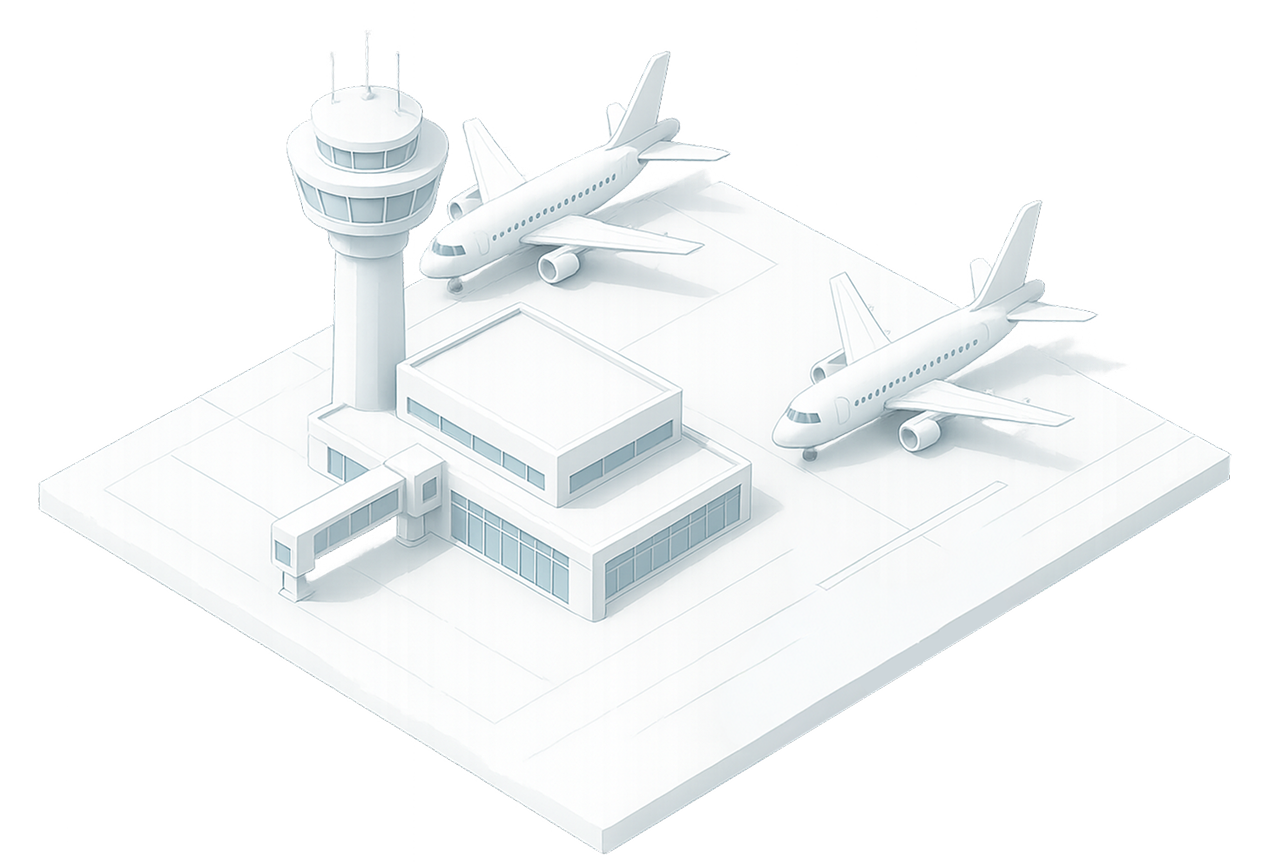

Overview of the Airport
Yangon International Airport (RGN) is located 15 kilometers north of downtown Yangon. It is the primary hub for international and domestic air travel in Myanmar, connecting the country to major Asian cities and regional destinations.
16.9073, 96.1332
Growth Trend
Passenger traffic increased by 3.18% year-over-year in 2018, with steady recovery post-pandemic.

Employment
5,000
Employees include airline staff, ground services, security, retail, and airport operations personnel.

Global Ranking
Market Share of Major Airlines
Capacity Expansion
Designed for 20 million passengers annually, with ongoing terminal upgrades to support future growth.

Technological Advancements
Deployment of self-service kiosks, advanced baggage handling, and digital passenger information systems enhances efficiency.
Sustainability Initiatives
Implementation of energy-efficient lighting, water conservation, and waste management programs aligns with regional environmental standards.

Latest News & Updates
Recent developments and updates for Yangon International Airport.
Yangon International Airport conducts Foreign Object Debris Removal Campaign
On January 30, 2026, Yangon International Airport successfully conducted a Foreign Object Debris (FOD) Removal Campaign, aiming to enhance aviation safety.
Up-to-date info about arrival at Yangon airport in real time
The RGN arrival flight schedule shows delays and cancellations of all flights arriving at Yangon and is automatically updated minutely. Stay updated with Yangon International Airport latest developments.
Newsletter - Yangon International Airport
Stay updated with Yangon International Airport latest developments. Download our newsletter here.

Operations Logistics & Timelines
Step-by-step process transit times for passengers and cargo.
For Clients
Passenger process times from arrival to gate.
- Arrival & Baggage Claim10-20 mins
- Immigration10-20 mins
- TSA Security Screening15-30 mins
- Customs5-10 mins
- Proceed to Gate5-10 mins
For Employees
Cargo handling deadlines and operational procedures.
- General Cargo Cut-off60 mins pre-departure
- Cargo Arrival Cut-offVaries, confirm with carrier
- Documentation VerificationUpon Arrival
- Security ScreeningFollowing Documentation
- Weight and Measurement CheckPost-Security
- Baggage SortingAfter Weighing
- Loading onto AircraftDependent on Flight Schedule
Passengers' Tips & Tricks
- 1
Arrive Early
Allow extra time for immigration and customs, especially during peak travel periods. Processing times can be longer than expected.
- 2
Have Travel Documents Ready
Foreigners are required to have valid travel documents (passport, visa if needed) readily available for inspection by immigration officials.
- 3
Utilize Official Transport Options
Pre-book a taxi through official taxi stands or reputable ride-hailing services to avoid inflated fares and ensure a safe journey to your destination.
- 4
Be Aware of Terminals
Yangon International Airport has two terminals: Terminal 1 for international flights and Terminal 3 for domestic flights. Ensure you are proceeding to the correct terminal for your flight.
- 5
Currency Exchange Available
The airport offers currency exchange services for convenient access to Myanmar Kyat upon arrival.
Cargo Tips & Tricks
- 1
Book in Advance
Air freight capacity at Yangon International Airport (RGN) can be highly variable. Booking shipments well in advance significantly increases the chances of securing space on desired carriers and preferred schedules, especially during peak seasons.
- 2
Utilize Local Ground Handlers
Partnering with experienced ground handling companies like JSID or Korean Air Cargo provides valuable local expertise, established relationships with airport officials, and streamlined processes for customs clearance and documentation.
- 3
Leverage Carrier Networks
With 14 carriers servicing RGN, diversify your shipping options. Fluent Cargo’s ranking of carriers by scheduled frequency can help identify the most reliable and efficient transport solutions.
- 4
Maintain Open Communication
Given the airport’s strategic location and international traffic, proactive communication with your ground handler and the Civil Aviation Authority (CAA) is crucial for real-time updates, issue resolution, and expedited requests.
- 5
Understand Import/Export Regulations
Myanmar’s import and export regulations can be complex. Thoroughly research and adhere to all customs requirements, utilizing your ground handler’s assistance to navigate the documentation process efficiently.
Tools & Resources
Essential tools, portals, and resources for clients and partners.
Data & Reports
Official statistics, research reports, and data tracking for Yangon International Airport.
Yangon International Airport - Wikipedia
Wikipedia page providing basic information about Yangon International Airport, including IATA and ICAO codes.
RGN Yangon International Airport Flight Statistics - Delays ...
Airportia provides comprehensive flight statistics for Yangon International Airport, including delays and cancellations.
Data Center - ACI World
ACI World's data center offers a range of airport and air travel industry data, including traffic statistics.
Airport Statistics Yangon | RGN
Airportinfo.live provides updated airport statistics for Yangon Airport, including delay indexes and movement charts.
Yangon International Airport (YIA) | Official Airport Website
The official website of Yangon International Airport, offering information about the airport and its location.
Location & Maps
Find Yangon International Airport on popular mapping services.
Interactive Map
Map Legend
Loading Google Maps...
Frequently Asked Questions
Common inquiries about operations and logistics at Yangon International Airport.
What is the passenger baggage screening process?
Passengers proceed through standard security screening at Terminal 1 & 2. All carry-on and checked baggage are subject to inspection using X-ray machines and manual searches to ensure security protocols are followed.
How does the airport handle cargo shipments?
Yangon International Airport operates a dedicated cargo terminal for handling freight and logistics. Cargo handlers manage the import and export of goods, ensuring compliance with international regulations and customs procedures.
What transport options are available to the airport?
Taxis, ride-hailing services, and airport bus services connect Yangon International Airport to the city center. The Airport Bus Service (ABS) routes connect to major areas; taxis are available for direct transport.
For More Info
Third-party resources, government portals, ratings, and more.
