All Other Ecuador Ports, Ecuador
Ecuador's diverse port network of over 60 terminals strategically positioned on the Pacific coast facilitates vital international trade with Asia and the Americas.


Port Overview
All Other Ecuador Ports
Beyond Guayaquil, Ecuador operates several strategically important ports along its Pacific coast. Esmeraldas serves as a vital hub for oil and timber exports in the northern region, while Puerto Bolivar dominates banana exports. Manta uniquely combines commercial operations with cruise tourism, serving as a tuna fishing center. Bahia de Caraquez specializes in shrimp exports from surrounding aquaculture farms. San Lorenzo, positioned closest to the Panama Canal, primarily handles wood exports. La Libertad functions as Ecuador's main petroleum terminal on the Santa Elena Peninsula. Salinas focuses on passenger traffic and tourism. Posorja has recently emerged as a high-performing container terminal, showing remarkable growth in recent years. Together, these ports complement Guayaquil's dominance while serving specialized regional industries and Ecuador's diverse maritime economy.
Facilities & Infrastructure
All Other Ecuador Ports: Key Facilities and Equipment
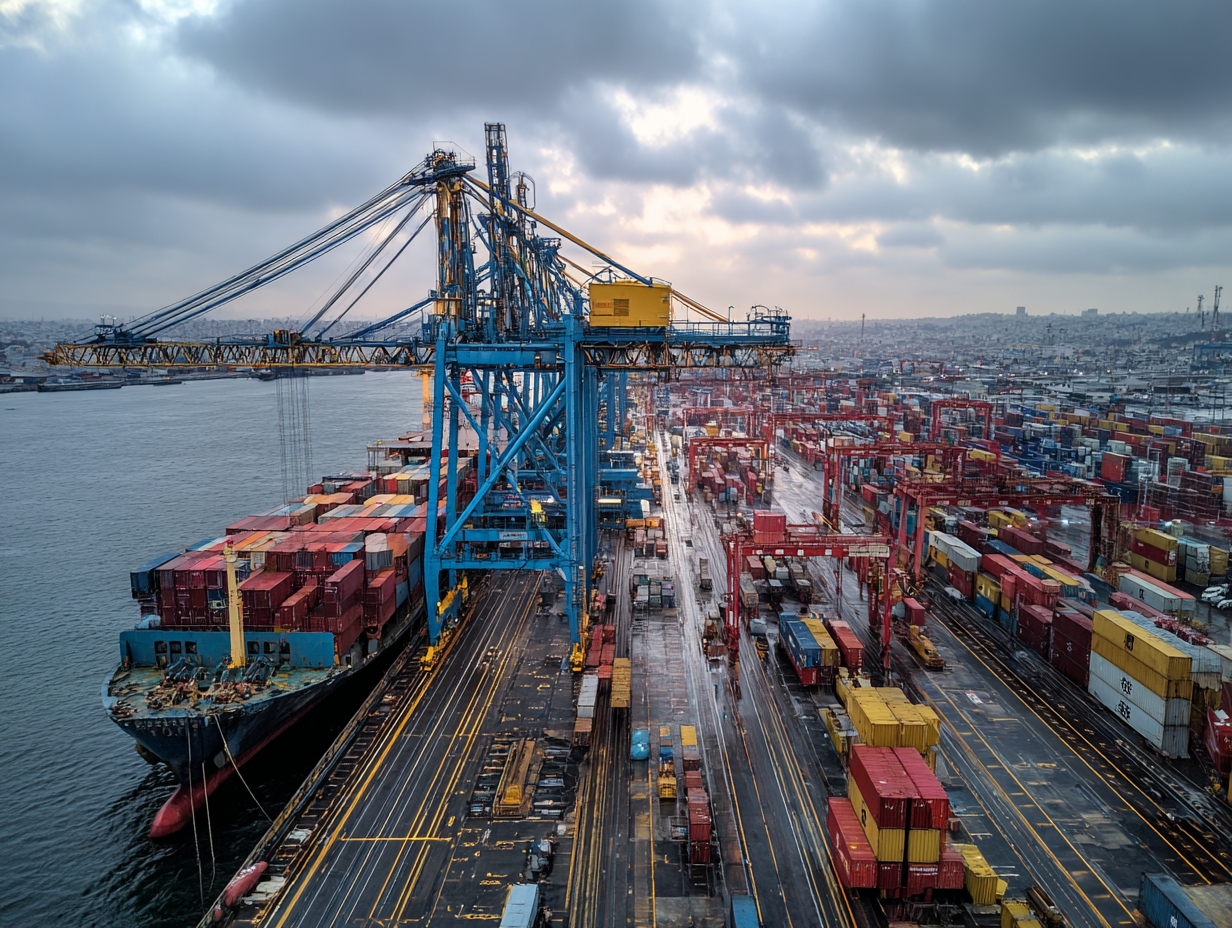
Beyond Guayaquil, Ecuador’s main ports include Manta, Esmeraldas, Puerto Bolívar, and Posorja. Manta is a multipurpose port with facilities for containers, bulk, and project cargo, serving both commercial and fishing industries. Esmeraldas specializes in oil exports and has tanker berths, storage tanks, and pipelines. Puerto Bolívar, undergoing modernization, handles bananas and other agricultural exports, with plans for new cranes, cold storage, and deeper channels. Posorja, a new deep-water terminal, offers advanced container handling, deep draft (16.5m), and capacity for large vessels (up to 15,000 TEU), complementing Guayaquil’s congestion.
Main Terminals and Cargo Facilities
Guayaquil remains the hub, with Contecon Guayaquil S.A. (CGSA) operating the main container terminal, featuring extensive reefer infrastructure for perishables, modern RTG (Rubber Tyred Gantry) cranes, and a logistics zone for efficient cargo handling. The terminal is equipped for high container throughput, road access, and security. Other ports have multipurpose terminals with flexible storage, warehouses, and equipment for containers, break-bulk, and project cargo. Cold storage is critical at Puerto Bolívar and Guayaquil for Ecuador’s agricultural exports.
Equipment Overview
Major ports utilize RTG cranes, mobile harbor cranes, and reach stackers for container handling. Automated systems, such as terminal trackers and telemetry, are increasingly adopted for efficiency. AGVs (Automated Guided Vehicles) are less common but may be introduced as automation expands. Cold chain infrastructure, especially reefers, is a standout feature supporting Ecuador’s perishable exports. Ongoing investments focus on electrification, deeper drafts, and modern cargo scanners to boost capacity and sustainability.
Container Terminals
Ecuador's ports, aside from Guayaquil, include Esmeraldas, Bolivar, Manta, and others. Esmeraldas handles oil and timber with a container berth and general cargo facilities. Bolivar is a major banana export hub with efficient container operations. Manta handles bulk cargo and general goods. Most ports have limited automation, with major operators managing specific terminals. Capacity varies, with Guayaquil being the largest.
Port Services
Main Services at All Other Ecuador Ports
- Container Handling: Loading, unloading, and transshipment of containers for international and domestic trade.
- Cargo Operations: Management of bulk, breakbulk, and liquid cargo, including specialized handling for commodities like bananas and seafood.
- Ship Services: Provisioning, bunkering, repairs, and technical support for vessels calling at the port.
- Warehousing: Secure storage facilities, including bonded and non-bonded warehouses, for temporary cargo holding.
- Customs Clearance: Facilitation of import/export procedures, documentation, and compliance with national regulations.
- Logistics Support: Inland transportation connections (truck, rail), cargo tracking, and integrated supply chain solutions.
- Port Infrastructure: Modern docks, cargo yards, and equipment to handle diverse vessel types and cargo volumes.
- Specialized Services: Cold storage, reefer container handling, and value-added logistics for perishables and high-value goods.
Global Connectivity
All Other Ecuador Ports, including Manta and Esmeraldas, provide vital connectivity for Ecuador’s northern and central regions. These ports handle general cargo, bulk, and container shipments, linking Ecuador to Pacific trade routes. They serve regional industries and connect to major markets in North America, Asia, and Europe through direct and transshipment services, complementing the country’s main port at Guayaquil and supporting diversified international trade flows.
Port Statistics
Key Statistics for Other Ecuador Ports:
- TEU Throughput: Not specified for all other ports, but major ports like Guayaquil and DP World Posorja handle significant volumes.
- World Ranking: Not detailed for smaller ports.
- Number of Berths: Varies by port.
- Area: Specific data not available for all other ports.
- Shipping Lines: Major shipping lines operate through key ports like Guayaquil.

Operations Logistics & Timelines
Step-by-step process and transit times for international vessel berthing, customs clearance, transloading, and final delivery.
For Clients
Import & export process times from vessel arrival to cargo delivery.
- Booking confirmationsame day to 1 day
- Terminal gate-in and documentation4-24 hrs
- Cargo discharge or load planning12-48 hrs
- Final pickup or onward drayagesame day to 3 days
For Employees
Port authority inspection and transloading procedures and timelines.
- Berth planning and yard coordinationcontinuous
- Cargo handling operationsshift-based
- Customs and compliance processingsame day to 2 days
For Shareholders
Performance benchmarks, cargo throughput KPIs and reporting cadences.
- Throughput monitoringdaily / monthly
- Asset utilization reviewweekly / monthly
- Capital project trackingquarterly
International Import Tips & Tricks
- 1
Confirm cutoffs early
Confirm vessel cutoffs, customs filing deadlines, and drayage windows before cargo reaches the terminal to avoid storage and rollover costs.
- 2
Track utilization trends
Review berth productivity, dwell times, and throughput trends alongside capex progress to separate structural bottlenecks from short-term volume swings.
International Export Tips & Tricks
- 1
Keep gate data aligned
Keep appointment systems, yard status, and documentation status aligned to reduce avoidable delays in handoff and cargo release.
Tools & Resources
Tools and resources for shipping through All Other Ecuador Ports, Ecuador.
Data & Reports
Official statistics, research reports, and data tracking for All Other Ecuador Ports, Ecuador.
Official Port Search
Search results for the official site and public reports for All Other Ecuador Ports, Ecuador.
UNCTAD Maritime Transport
UN trade and maritime transport reference reports.
World Bank Logistics
Global logistics and trade performance reference.
Port Statistics Search
Search results for throughput, connectivity, and container statistics.
Latest News & Updates
Recent developments and updates for All Other Ecuador Ports, Ecuador.
Buyers' Guides
Port guides and logistics resources for All Other Ecuador Ports, Ecuador.
Location & Maps
Find All Other Ecuador Ports, Ecuador on popular mapping services.
For More Info
Third-party resources, government portals, ratings, and more.
Government & Resources
Ratings
Licenses & Certifications
Frequently Asked Questions
Common inquiries about operations and logistics at All Other Ecuador Ports, Ecuador.
What is the typical process for import containers moving through this international port?
Typical import flow is vessel arrival, berth assignment, discharge, customs review, terminal release, pickup or rail transfer, and final inland delivery. Timing depends on congestion, documentation, inspections, and local drayage capacity.
What affects export cargo timing at an international port?
Export timing depends on gate cutoff windows, booking confirmation, documentation readiness, customs requirements, terminal operating hours, and vessel schedule reliability.
Glossary / Terminology
Key terms relevant to international seaport operations and ocean freight.
