All Other Philippines Ports, Philippines
A vast network of 429 ports connecting over 7,600 islands, vital for domestic trade and regional connectivity.


Port Overview
Beyond the major ports, the Philippines has numerous smaller ports that play significant roles in regional trade. These ports, such as Dumaguit, Guihulngan, and Jimenez, are strategically located across various islands, handling local cargo and passenger traffic. While they lack large container capacities, they are crucial for regional connectivity and economic development. The Port of Iligan, for instance, handles substantial cargo volumes, while others like Port Irene serve as key international entry points. These ports collectively contribute to the country's maritime infrastructure and regional trade dynamics.
Facilities & Infrastructure
All Other Philippines Ports: Main Facilities Overview
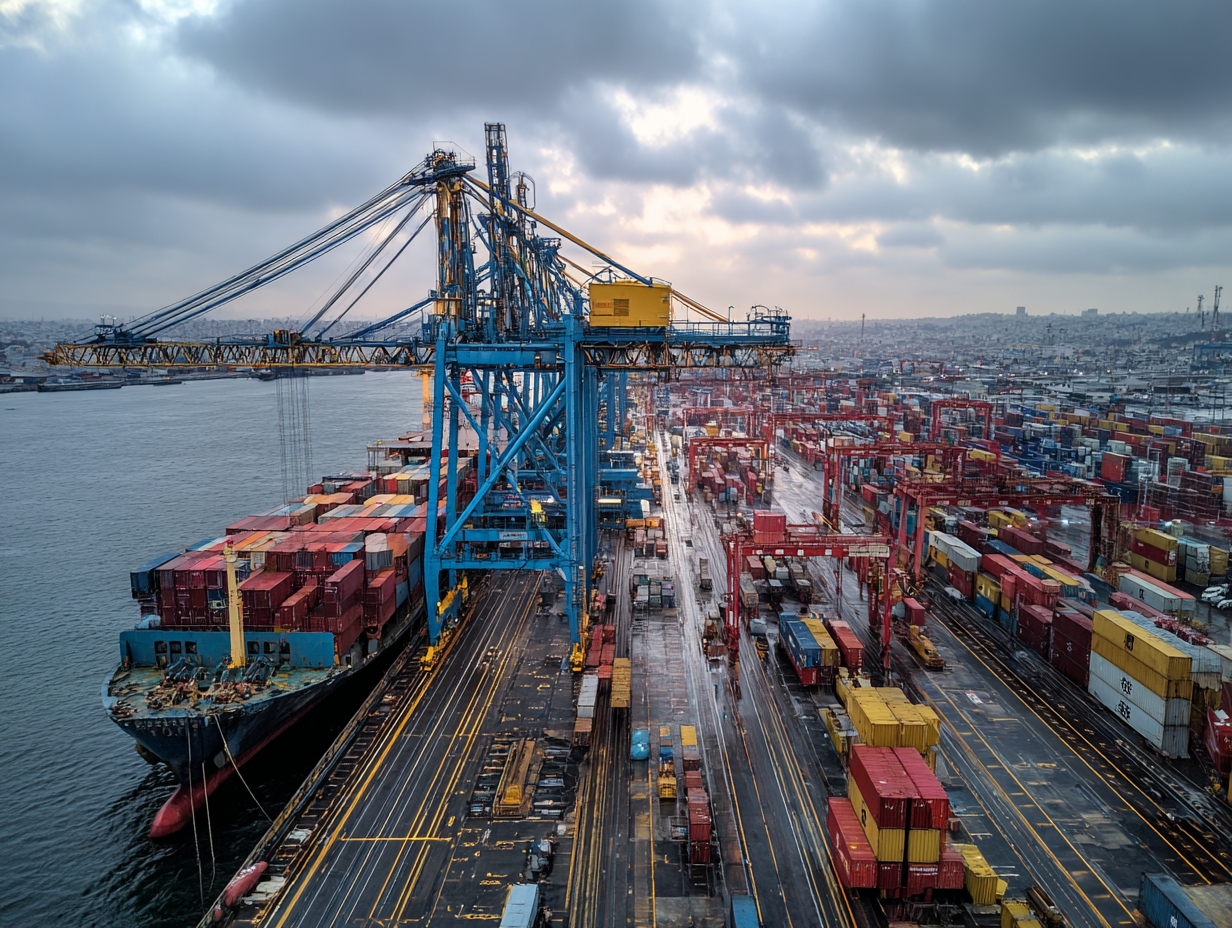
Beyond Manila, the Philippines’ port system is extensive, with major hubs including Cebu, Subic Bay, Batangas, General Santos, and Cagayan de Oro. Cebu Port, the largest domestic hub, features dedicated domestic and international terminals, extensive berthing space, and modern cargo handling equipment. Subic Bay is a key freeport with advanced container terminals, bulk cargo facilities, and digitalized operations. Batangas specializes in petroleum, automotive exports, and RoRo services, supported by expanded liquid bulk storage and inter-island terminals. General Santos (Makar Wharf) is a regional export-import center with a long dock, modern cranes, and a specialized fish port. Cagayan de Oro serves northern Mindanao with mixed cargo and passenger facilities. Across these ports, equipment typically includes gantry cranes, mobile harbor cranes, reach stackers, and, in some modern terminals, automated guided vehicles (AGVs) for container handling. These ports collectively handle diverse cargo—containers, bulk, breakbulk, RoRo, and petroleum—while continuously upgrading infrastructure to meet growing trade demands.
Container Terminals
The Philippines operates numerous secondary container ports beyond its major terminals, including Batangas, Subic Bay, and Cebu. These facilities collectively handle significant container throughput, with Batangas processing approximately 450,000 TEUs and Subic Bay around 600,000 TEUs annually. Most ports feature multiple berths with varying depths and are operated by a mix of government agencies like the Philippine Ports Authority and private operators including International Container Terminal Services. Automation levels remain relatively basic, though digitalization initiatives are underway to modernize operations and improve efficiency across the network.
Port Services
- Container handling: Loading, unloading, storage, and repair of containers for domestic and international shipments.
- Cargo operations: General cargo handling, bulk and breakbulk operations, roll-on/roll-off (Ro-Ro) services, and stevedoring.
- Ship services: Vessel entrance and departure formalities, bunkering, watering, ship chandling, and repair permits.
- Warehousing: Storage facilities for various cargo types, including bonded and general warehouses.
- Customs: Customs clearance, brokerage, and inspection services for import and export cargo.
Global Connectivity
The Philippines has a vast network of ports beyond the major ones, facilitating connectivity across its islands and regions. These ports serve various regions, including inter-island routes and connections to major markets like China and Indonesia. Shipping routes from ports like Iloilo, Davao, and Zamboanga connect to global markets, while smaller ports like Calbayog and Dapitan handle local cargo and passenger traffic.
Port Statistics
All Other Philippines Ports: Key Statistics
TEU Throughput:
The Philippines’ total container throughput (excluding Manila) is not individually specified in available public data, but the country’s aggregate port system handled approximately 9.2 million TEUs in 2022. Major regional ports such as Cebu, Batangas, and Subic Bay contribute significantly, though Manila dominates national volumes.
World Ranking:
The Philippines as a whole ranks outside the global top 20 container ports. Manila is the primary driver, while other ports collectively do not feature in major international rankings.
Number of Berths:
Exact berth counts for “all other” ports are not centrally published. Major regional ports typically operate with 5–15 berths each, but the national network (excluding Manila) comprises dozens of berths across multiple facilities.
Area:
Port areas vary widely; for example, Batangas and Subic Bay each cover several hundred hectares, while smaller ports may be under 50 hectares. No single figure represents “all other” ports.
Shipping Lines:
Major international and regional carriers serve Philippine ports, including Maersk, CMA CGM, MSC, COSCO, and local operators such as 2GO. Connectivity is strongest in Manila, but Batangas, Subic, and Cebu also host regular liner services.
Summary:
The Philippines’ secondary ports are vital for domestic and regional trade, with significant but unranked TEU volumes, variable infrastructure, and service from global and local shipping lines. Detailed, port-by-port statistics are not routinely aggregated in public reports.
Operations Logistics & Timelines
Step-by-step process and transit times for international vessel berthing, customs clearance, transloading, and final delivery.
For Clients
Import & export process times from vessel arrival to cargo delivery.
- Booking confirmationsame day to 1 day
- Terminal gate-in and documentation4-24 hrs
- Cargo discharge or load planning12-48 hrs
- Final pickup or onward drayagesame day to 3 days
For Employees
Port authority inspection and transloading procedures and timelines.
- Berth planning and yard coordinationcontinuous
- Cargo handling operationsshift-based
- Customs and compliance processingsame day to 2 days
For Shareholders
Performance benchmarks, cargo throughput KPIs and reporting cadences.
- Throughput monitoringdaily / monthly
- Asset utilization reviewweekly / monthly
- Capital project trackingquarterly
International Import Tips & Tricks
- 1
Confirm cutoffs early
Confirm vessel cutoffs, customs filing deadlines, and drayage windows before cargo reaches the terminal to avoid storage and rollover costs.
- 2
Track utilization trends
Review berth productivity, dwell times, and throughput trends alongside capex progress to separate structural bottlenecks from short-term volume swings.
International Export Tips & Tricks
- 1
Keep gate data aligned
Keep appointment systems, yard status, and documentation status aligned to reduce avoidable delays in handoff and cargo release.
Tools & Resources
Tools and resources for shipping through All Other Philippines Ports, Philippines.
Data & Reports
Official statistics, research reports, and data tracking for All Other Philippines Ports, Philippines.
Official Port Search
Search results for the official site and public reports for All Other Philippines Ports, Philippines.
UNCTAD Maritime Transport
UN trade and maritime transport reference reports.
World Bank Logistics
Global logistics and trade performance reference.
Port Statistics Search
Search results for throughput, connectivity, and container statistics.
Latest News & Updates
Recent developments and updates for All Other Philippines Ports, Philippines.
Buyers' Guides
Port guides and logistics resources for All Other Philippines Ports, Philippines.
Location & Maps
Find All Other Philippines Ports, Philippines on popular mapping services.
For More Info
Third-party resources, government portals, ratings, and more.
Government & Resources
Ratings
Licenses & Certifications
Frequently Asked Questions
Common inquiries about operations and logistics at All Other Philippines Ports, Philippines.
What is the typical process for import containers moving through this international port?
Typical import flow is vessel arrival, berth assignment, discharge, customs review, terminal release, pickup or rail transfer, and final inland delivery. Timing depends on congestion, documentation, inspections, and local drayage capacity.
What affects export cargo timing at an international port?
Export timing depends on gate cutoff windows, booking confirmation, documentation readiness, customs requirements, terminal operating hours, and vessel schedule reliability.
Glossary / Terminology
Key terms relevant to international seaport operations and ocean freight.
