All Other Turkey Black Sea and Sea of Marmara Port, Turkey
Key maritime gateway linking the Black Sea and Sea of Marmara, vital for Turkey’s trade and transit.


Port Overview
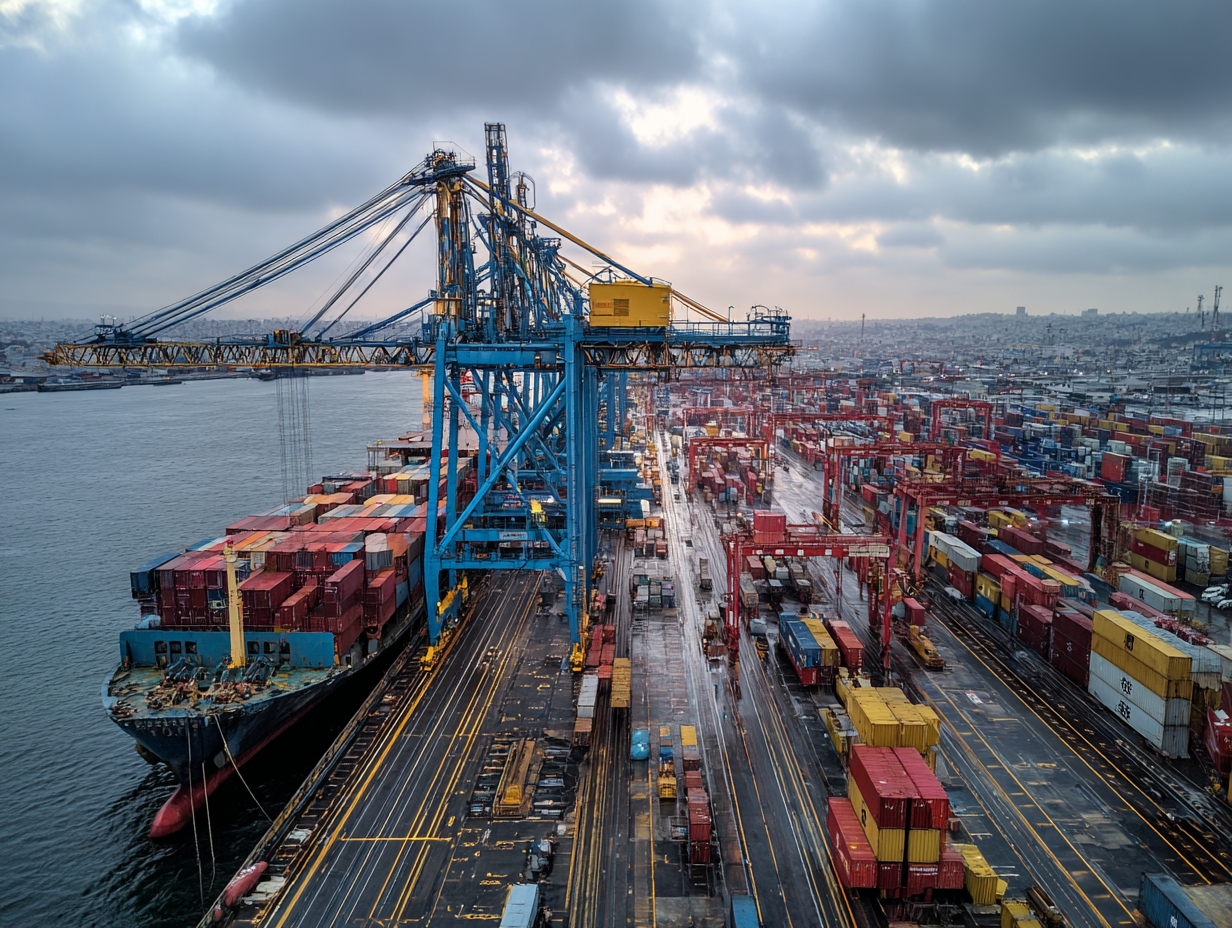
Turkey's Black Sea and Sea of Marmara ports form a vital maritime network connecting Europe and Asia. Major facilities include Ambarlı Port Complex near Istanbul, Turkey's largest container port handling approximately 3 million TEUs annually, and Asyaport in Tekirdağ, processing around 2 million TEUs. The region encompasses strategic locations like Trabzon (Eastern Black Sea's largest with 5 million tons annual capacity), Samsun, Derince, Gemlik (supporting automotive industry with 671,492 TEUs), and Bandırma. These ports leverage the Sea of Marmara's unique position linking the Black Sea to the Aegean through the Turkish Straits, serving as crucial hubs for transshipment, industrial cargo, and trade routes between Europe, Asia, and Black Sea countries.
Facilities & Infrastructure
Turkey's Black Sea and Sea of Marmara ports offer diverse facilities. The Port of Samsun is a key Black Sea hub with general cargo and container terminals, supported by rail connectivity. In the Sea of Marmara, ports like Gemlik and Derince provide specialized facilities for Ro-Ro and general cargo, with modern equipment such as cranes. These ports support industrial and automotive sectors with efficient logistics and transshipment capabilities.
Container Terminals
Turkey’s Black Sea and Sea of Marmara container terminals include major ports such as Samsun (Black Sea), Ambarlı, Asyaport, Gemlik, and Haydarpaşa (Sea of Marmara). Berth numbers range from 5 to 20 per terminal. Annual container capacities vary: Ambarlı handles about 3 million TEUs, Asyaport 2 million TEUs, and Gemlik over 1 million TEUs. Automation levels are moderate to high, with modern handling systems. Major operators include MSC (Asyaport), Marport, Kumport, Borusan, and Turkish State Railways.
Port Services
Main Services at Turkey's Black Sea and Sea of Marmara Ports
Container Operations
- Modern container terminals with high-capacity cranes
- Automated handling systems
- Reefer facilities for refrigerated containers
- Container storage and depot services
Cargo Handling
- General cargo operations (machinery, consumer goods, agricultural products)
- Bulk cargo handling (grain, minerals, chemicals)
- Ro-Ro terminals for vehicles and heavy machinery
- Project cargo capabilities
Ship Services
- 24/7 port operations year-round
- Pilotage and towage services
- Fresh water supply (40 tons per hour)
- Bunkering by barge or truck
- Garbage removal services
- Crew change arrangements
Storage Facilities
- Covered and open storage areas
- Bonded warehousing
- Grain silos
- Specialized storage for various cargo types
Additional Services
- Customs clearance facilities
- Rail connectivity to industrial areas
- Turkish Straits transit coordination
- Meet and greet services
Global Connectivity
Turkey’s Black Sea and Sea of Marmara ports—including Zonguldak, Samsun, Bandırma, and Evyap—are key nodes in the country’s maritime network, serving both domestic and international trade. These ports are directly connected to Turkey’s rail and road networks, facilitating efficient cargo movement between Anatolia, the Black Sea region, and beyond. Major shipping routes from these ports link Turkey to markets in Russia, Ukraine, the Caucasus, Central Asia, and via the Turkish Straits (Bosporus and Dardanelles) to the Mediterranean, Aegean, and global markets. The region’s ports are vital for energy, bulk, and container traffic, acting as gateways between Europe, Asia, and the Middle East.
Port Statistics
All Other Turkey Black Sea and Sea of Marmara Port is a collective designation for smaller Turkish ports in these regions, not a single facility. Combined, these ports handled an estimated 13.5 million TEUs in 2024, but individual TEU throughput per port is much lower. They do not appear in the global top 50 container ports by volume. The number of berths and total area varies by port, with most facilities offering basic multipurpose berths. Major global shipping lines, including Maersk, MSC, and CMA CGM, call at select ports in these regions.

Operations Logistics & Timelines
Step-by-step process and transit times for international vessel berthing, customs clearance, transloading, and final delivery.
For Clients
Import & export process times from vessel arrival to cargo delivery.
- Booking confirmationsame day to 1 day
- Terminal gate-in and documentation4-24 hrs
- Cargo discharge or load planning12-48 hrs
- Final pickup or onward drayagesame day to 3 days
For Employees
Port authority inspection and transloading procedures and timelines.
- Berth planning and yard coordinationcontinuous
- Cargo handling operationsshift-based
- Customs and compliance processingsame day to 2 days
For Shareholders
Performance benchmarks, cargo throughput KPIs and reporting cadences.
- Throughput monitoringdaily / monthly
- Asset utilization reviewweekly / monthly
- Capital project trackingquarterly
International Import Tips & Tricks
- 1
Confirm cutoffs early
Confirm vessel cutoffs, customs filing deadlines, and drayage windows before cargo reaches the terminal to avoid storage and rollover costs.
- 2
Track utilization trends
Review berth productivity, dwell times, and throughput trends alongside capex progress to separate structural bottlenecks from short-term volume swings.
International Export Tips & Tricks
- 1
Keep gate data aligned
Keep appointment systems, yard status, and documentation status aligned to reduce avoidable delays in handoff and cargo release.
Tools & Resources
Tools and resources for shipping through All Other Turkey Black Sea and Sea of Marmara Port, Turkey.
Data & Reports
Official statistics, research reports, and data tracking for All Other Turkey Black Sea and Sea of Marmara Port, Turkey.
Official Port Search
Search results for the official site and public reports for All Other Turkey Black Sea and Sea of Marmara Port, Turkey.
UNCTAD Maritime Transport
UN trade and maritime transport reference reports.
World Bank Logistics
Global logistics and trade performance reference.
Port Statistics Search
Search results for throughput, connectivity, and container statistics.
Latest News & Updates
Recent developments and updates for All Other Turkey Black Sea and Sea of Marmara Port, Turkey.
Buyers' Guides
Port guides and logistics resources for All Other Turkey Black Sea and Sea of Marmara Port, Turkey.
Location & Maps
Find All Other Turkey Black Sea and Sea of Marmara Port, Turkey on popular mapping services.
For More Info
Third-party resources, government portals, ratings, and more.
Government & Resources
Ratings
Licenses & Certifications
Frequently Asked Questions
Common inquiries about operations and logistics at All Other Turkey Black Sea and Sea of Marmara Port, Turkey.
What is the typical process for import containers moving through this international port?
Typical import flow is vessel arrival, berth assignment, discharge, customs review, terminal release, pickup or rail transfer, and final inland delivery. Timing depends on congestion, documentation, inspections, and local drayage capacity.
What affects export cargo timing at an international port?
Export timing depends on gate cutoff windows, booking confirmation, documentation readiness, customs requirements, terminal operating hours, and vessel schedule reliability.
Glossary / Terminology
Key terms relevant to international seaport operations and ocean freight.
