All Other Viet Nam Ports, Vietnam
All Other Viet Nam Ports serve as vital trade gateways, connecting diverse regions of Vietnam to global markets.


Port Overview
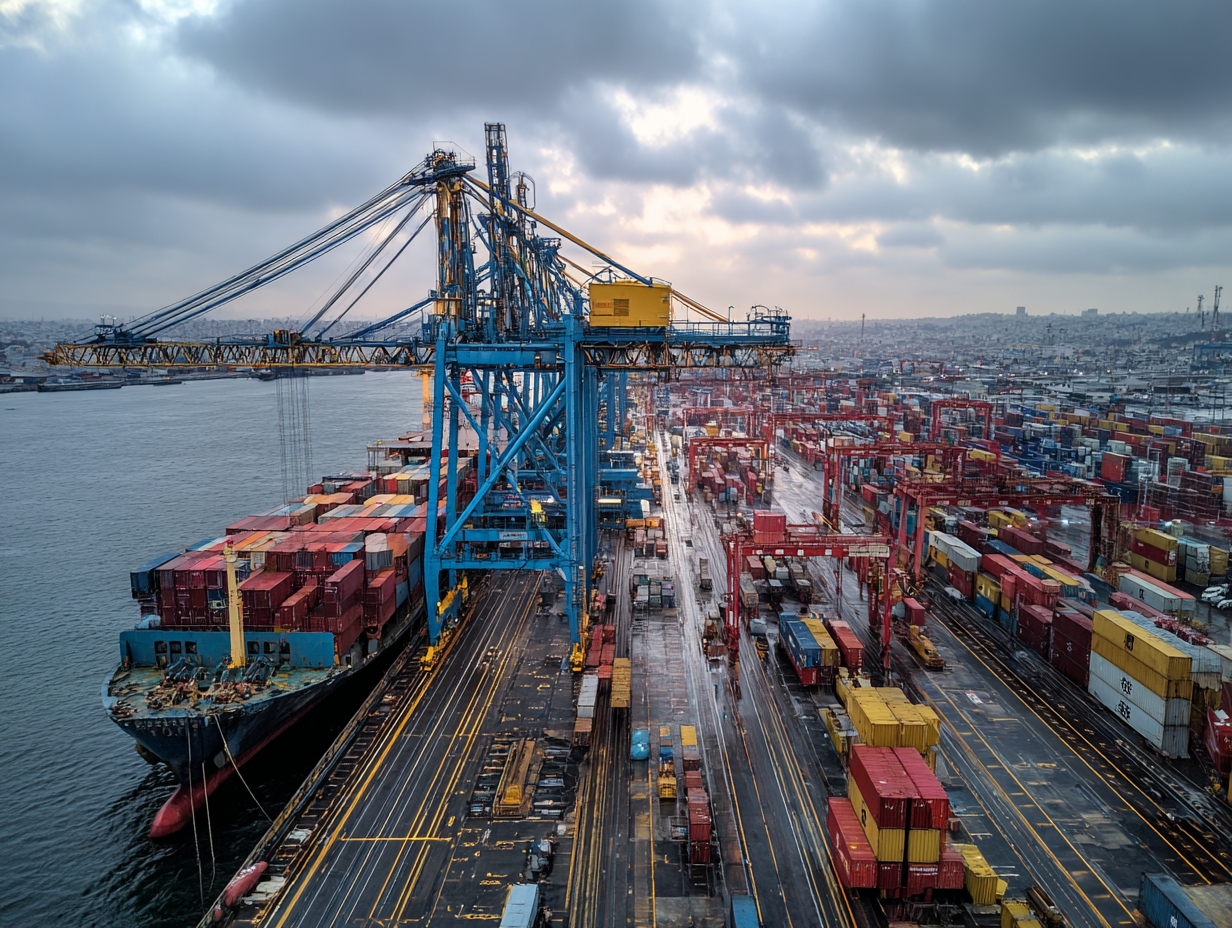
All Other Viet Nam Ports encompass a range of regional and specialized ports outside the main hubs of Ho Chi Minh City, Hai Phong, and Cai Mep. Key examples include Da Nang, Dung Quat, Van Phong, Quang Ninh, and Cua Lo. These ports are strategically located along Vietnam’s extensive coastline, supporting regional industries, energy, and trade. While individually smaller than the top three, collectively they handle several million TEUs annually and play a vital role in decongesting major ports, supporting local economies, and enhancing Vietnam’s overall maritime connectivity.
Facilities & Infrastructure
All Other Viet Nam Ports feature modern container and general cargo terminals equipped with ship-to-shore (STS) gantry cranes, electric rubber-tyred gantry (eRTG) cranes, reach stackers, and forklifts. Key facilities include Chu Lai Port with advanced STS and eRTG cranes, Phuoc An Port with next-generation STS cranes, and Saigon Port offering diverse cargo handling for containers, bulk, and oversized cargo. Automated guided vehicles (AGVs) are being introduced at select modern terminals to enhance efficiency.
Container Terminals
Vietnam’s “All Other Viet Nam Ports” container terminals collectively feature over 280 berths, with capacities ranging from small regional terminals to major hubs exceeding 1 million TEU annually. Automation levels vary: top ports like Hai Phong, Da Nang, and Quang Ninh employ modern handling equipment and IT systems, but full automation is limited. Major operators include Saigon Newport, Vinalines, and international partners such as CMA CGM. Expansion and technology upgrades are ongoing under the national seaport master plan.
Port Services
- Container handling: Loading/unloading, storage, repair, and transshipment for containers and general cargo.
- Cargo operations: Bulk, liquid, oversized, and project cargo handling; stuffing/unstuffing; tallying; weighing.
- Ship services: Vessel berthing, tugboat assistance, ship planning, oil and water supply, waste management.
- Warehousing: Bonded and regular warehousing, depot and ICD transshipment, packaging, lashing, and inventory management.
- Customs: Customs clearance, brokerage, quarantine, and marine insurance support.
Global Connectivity
All Other Viet Nam Ports comprise regional clusters across the north, central, and southern regions, connecting key industrial areas and hinterlands. These ports serve provinces such as Quang Ninh, Nghe An, Quy Nhon, Chu Lai, and the Mekong Delta. They link to major international shipping routes, facilitating trade with China, ASEAN, Northeast Asia, the US, and Europe. Their connectivity supports both coastal and inland cargo movement, enhancing Vietnam’s access to global markets.
Port Statistics
All Other Viet Nam Ports – Key Statistics
- TEU Throughput: Combined throughput for all Vietnam ports (excluding the top three) is approximately 6–7 million TEU annually.
- World Ranking: Not individually ranked in the global top 50; only Ho Chi Minh City, Hai Phong, and Cai Mep ports are in the top 50.
- Number of Berths: Typically ranges from 5 to 20 berths per port, depending on size and location.
- Area: Port areas vary widely, generally between 20 and 100 hectares.
- Shipping Lines: Major global shipping lines such as Maersk, MSC, CMA CGM, and Evergreen call at several of these ports.
Operations Logistics & Timelines
Step-by-step process and transit times for international vessel berthing, customs clearance, transloading, and final delivery.
For Clients
Import & export process times from vessel arrival to cargo delivery.
- Booking confirmationsame day to 1 day
- Terminal gate-in and documentation4-24 hrs
- Cargo discharge or load planning12-48 hrs
- Final pickup or onward drayagesame day to 3 days
For Employees
Port authority inspection and transloading procedures and timelines.
- Berth planning and yard coordinationcontinuous
- Cargo handling operationsshift-based
- Customs and compliance processingsame day to 2 days
For Shareholders
Performance benchmarks, cargo throughput KPIs and reporting cadences.
- Throughput monitoringdaily / monthly
- Asset utilization reviewweekly / monthly
- Capital project trackingquarterly
International Import Tips & Tricks
- 1
Confirm cutoffs early
Confirm vessel cutoffs, customs filing deadlines, and drayage windows before cargo reaches the terminal to avoid storage and rollover costs.
- 2
Track utilization trends
Review berth productivity, dwell times, and throughput trends alongside capex progress to separate structural bottlenecks from short-term volume swings.
International Export Tips & Tricks
- 1
Keep gate data aligned
Keep appointment systems, yard status, and documentation status aligned to reduce avoidable delays in handoff and cargo release.
Tools & Resources
Tools and resources for shipping through All Other Viet Nam Ports, Vietnam.
Data & Reports
Official statistics, research reports, and data tracking for All Other Viet Nam Ports, Vietnam.
Official Port Search
Search results for the official site and public reports for All Other Viet Nam Ports, Vietnam.
UNCTAD Maritime Transport
UN trade and maritime transport reference reports.
World Bank Logistics
Global logistics and trade performance reference.
Port Statistics Search
Search results for throughput, connectivity, and container statistics.
Latest News & Updates
Recent developments and updates for All Other Viet Nam Ports, Vietnam.
Buyers' Guides
Port guides and logistics resources for All Other Viet Nam Ports, Vietnam.
Location & Maps
Find All Other Viet Nam Ports, Vietnam on popular mapping services.
For More Info
Third-party resources, government portals, ratings, and more.
Government & Resources
Ratings
Licenses & Certifications
Frequently Asked Questions
Common inquiries about operations and logistics at All Other Viet Nam Ports, Vietnam.
What is the typical process for import containers moving through this international port?
Typical import flow is vessel arrival, berth assignment, discharge, customs review, terminal release, pickup or rail transfer, and final inland delivery. Timing depends on congestion, documentation, inspections, and local drayage capacity.
What affects export cargo timing at an international port?
Export timing depends on gate cutoff windows, booking confirmation, documentation readiness, customs requirements, terminal operating hours, and vessel schedule reliability.
Glossary / Terminology
Key terms relevant to international seaport operations and ocean freight.
