Fort De France, Martinique
Fort-de-France is Martinique’s capital and chief port, serving as the island’s economic, cultural, and administrative hub.


Port Overview
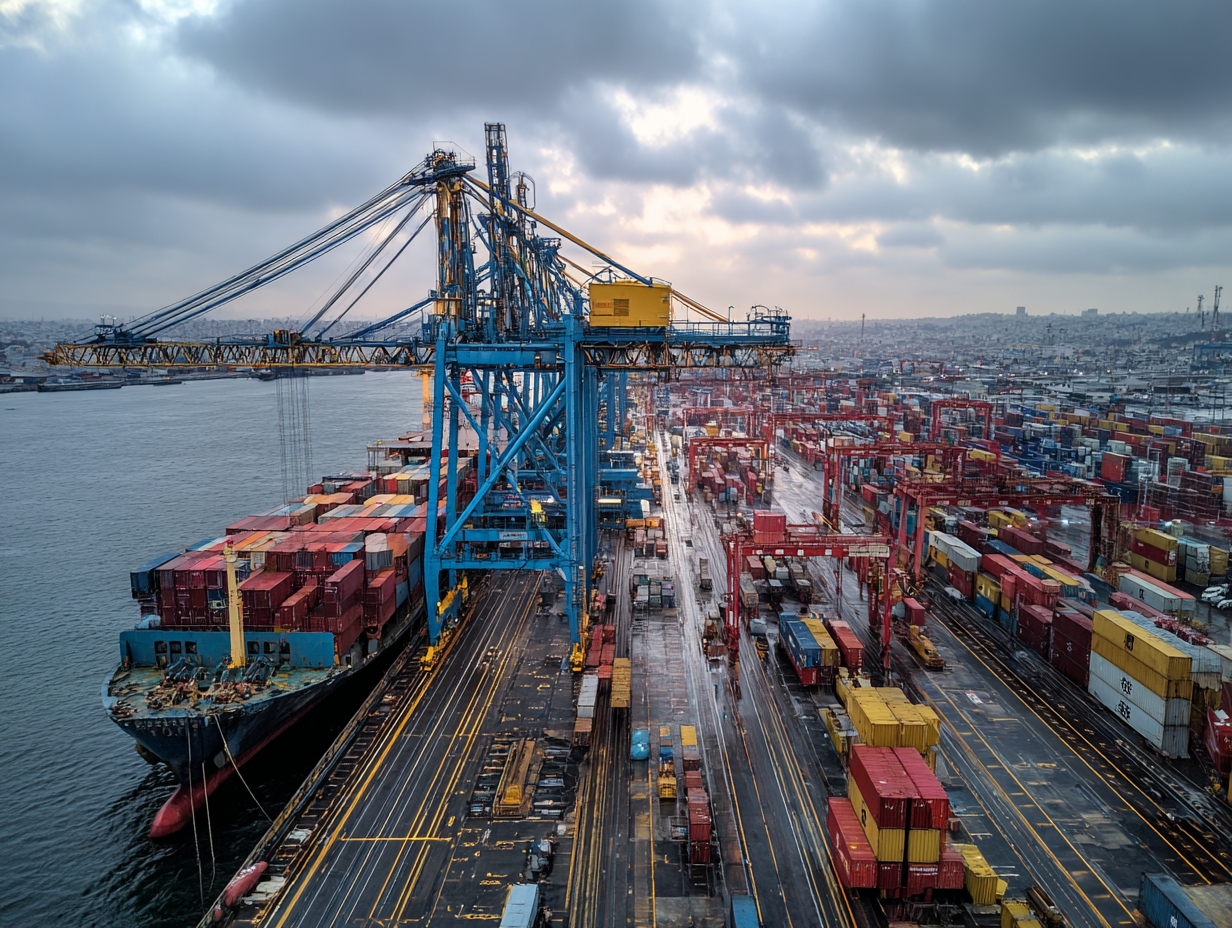
Fort-de-France, located on the west coast of Martinique, is the island’s principal port and economic hub. The port covers over 30 hectares with 2.7 kilometers of quays and ranks as the sixth largest French port for container traffic. Strategically positioned near major Caribbean shipping routes and just eight kilometers from the international airport, it serves as a key gateway for trade between metropolitan France, the Caribbean, and regional partners. Its annual container throughput is approximately 146,000 TEU, making it comparable to Pointe-à-Pitre in the Lesser Antilles.
Facilities & Infrastructure
Fort-de-France, Martinique’s main port facilities include the Pointe des Grives container terminal, featuring 460 meters of quay with a 14-meter draft, 3 overpanamax gantry cranes, and 14 straddle carriers. The port handles containers, general cargo, and bulk goods. Key cruise terminals are Pointe Simon, located in the city center, and Tourelles, used as an overflow. The port does not currently use AGVs (Automated Guided Vehicles).
Container Terminals
Fort-de-France’s main container terminal at Pointe des Grives has 5 berths and covers 16 hectares, with a quay length of 460 meters and a 14-meter draft. Annual container throughput is around 150,000 TEU. The terminal is semi-automated, equipped with 3 overpanamax gantry cranes and 14 straddle carriers. Major operators include Marfret and CMA CGM, with the Grand Port Maritime de la Martinique overseeing port management.
Port Services
- Container handling: Dedicated terminal with overpanamax gantries and rider trolleys for efficient container operations.
- Cargo operations: Facilities for dry, chilled, bulk, liquid, and roll-on/roll-off cargo.
- Ship services: Ship repair basin, bunkering, water supply, and waste disposal.
- Warehousing: On-site storage and logistics areas for various cargo types.
- Customs: On-terminal customs clearance for import/export processing.
Global Connectivity
Fort-de-France, Martinique is a major Caribbean port with regular container and cargo connections to Europe, North America, and other Caribbean islands. Key shipping lines such as CMA CGM, Seatrade, and Marfret link the port to global markets, with frequent departures each week. The port serves as a regional hub for the French Antilles, handling both transshipment and direct trade, and offers ferry connections to nearby destinations like Les Trois-Îlets and Anse Mitan.
Port Statistics
Port of Fort-de-France, Martinique – Key Statistics (2025):
- TEU Throughput: Approximately 120,000 TEU annually.
- World Ranking: Not ranked among the world’s top 100 container ports.
- Number of Berths: 8 active berths (including cruise and cargo).
- Port Area: 2.7 km total area, with 30 hectares of open storage.
- Shipping Lines: Served by major lines including CMA CGM, Express des Îles, MSC Cruises, Carnival, Norwegian, Princess, Celebrity, Costa, and PONANT.
Operations Logistics & Timelines
Step-by-step process and transit times for international vessel berthing, customs clearance, transloading, and final delivery.
For Clients
Import & export process times from vessel arrival to cargo delivery.
- Booking confirmationsame day to 1 day
- Terminal gate-in and documentation4-24 hrs
- Cargo discharge or load planning12-48 hrs
- Final pickup or onward drayagesame day to 3 days
For Employees
Port authority inspection and transloading procedures and timelines.
- Berth planning and yard coordinationcontinuous
- Cargo handling operationsshift-based
- Customs and compliance processingsame day to 2 days
For Shareholders
Performance benchmarks, cargo throughput KPIs and reporting cadences.
- Throughput monitoringdaily / monthly
- Asset utilization reviewweekly / monthly
- Capital project trackingquarterly
International Import Tips & Tricks
- 1
Confirm cutoffs early
Confirm vessel cutoffs, customs filing deadlines, and drayage windows before cargo reaches the terminal to avoid storage and rollover costs.
- 2
Track utilization trends
Review berth productivity, dwell times, and throughput trends alongside capex progress to separate structural bottlenecks from short-term volume swings.
International Export Tips & Tricks
- 1
Keep gate data aligned
Keep appointment systems, yard status, and documentation status aligned to reduce avoidable delays in handoff and cargo release.
Tools & Resources
Tools and resources for shipping through Fort De France, Martinique.
Data & Reports
Official statistics, research reports, and data tracking for Fort De France, Martinique.
Official Port Search
Search results for the official site and public reports for Fort De France, Martinique.
UNCTAD Maritime Transport
UN trade and maritime transport reference reports.
World Bank Logistics
Global logistics and trade performance reference.
Port Statistics Search
Search results for throughput, connectivity, and container statistics.
Latest News & Updates
Recent developments and updates for Fort De France, Martinique.
Buyers' Guides
Port guides and logistics resources for Fort De France, Martinique.
Location & Maps
Find Fort De France, Martinique on popular mapping services.
Interactive Map
Map Legend
Loading Google Maps...
For More Info
Third-party resources, government portals, ratings, and more.
Government & Resources
Ratings
Licenses & Certifications
Frequently Asked Questions
Common inquiries about operations and logistics at Fort De France, Martinique.
What is the typical process for import containers moving through this international port?
Typical import flow is vessel arrival, berth assignment, discharge, customs review, terminal release, pickup or rail transfer, and final inland delivery. Timing depends on congestion, documentation, inspections, and local drayage capacity.
What affects export cargo timing at an international port?
Export timing depends on gate cutoff windows, booking confirmation, documentation readiness, customs requirements, terminal operating hours, and vessel schedule reliability.
Glossary / Terminology
Key terms relevant to international seaport operations and ocean freight.
