Kajang, Malaysia
Kajang, Malaysia—renowned as "Satay Town"—is famed for its delicious skewered meat and vibrant heritage.


Port Overview
Kajang is a major township located about 22 km south of Kuala Lumpur in Selangor, Malaysia. Covering approximately 304 square miles, it is one of the largest and most populous urban areas in the country, ranking second in Selangor after Petaling. Kajang serves as the district capital of Hulu Langat, making it strategically important for regional administration and connectivity, with direct access to major highways and rail links. While Kajang is a significant commercial and residential hub, it is not a container port and does not have an annual TEU capacity.
Facilities & Infrastructure
Kajang, Malaysia, does not have a seaport or maritime cargo facilities. Its main transportation hub is the Kajang Bus Terminal, which offers bus services, taxi stands, and direct access to the Kajang MRT station. The terminal features restrooms, food stalls, and a comfortable waiting area for passengers. There are no key maritime terminals, cargo handling equipment, cranes, or automated guided vehicles (AGVs) in Kajang.
Container Terminals
Kajang, Malaysia does not have a major container terminal or seaport; it is an inland city in Selangor state, not a coastal port location. The nearest significant container facilities are at Port Klang, approximately 30 kilometers away, which is Malaysia’s largest and busiest port. For accurate details on container terminals—including berth numbers, capacity, automation, and operators—please specify if you are referring to Port Klang or another major Malaysian port.
Port Services
Kajang Industrial Park is an inland industrial facility, not a seaport. It does not provide maritime services.
The park offers:
- Industrial warehousing and manufacturing facilities
- Logistics connectivity to Malaysia's ports and airports
- Business infrastructure including high-speed broadband
- Strategic access to Port Klang (via highways) for import/export operations
- Support amenities for industrial businesses
For actual port services, businesses would need to utilize nearby Port Klang or Johor Port.
Global Connectivity
Kajang, Malaysia, is inland and relies on connectivity to major seaports such as Port Klang, Penang Port, and Johor Port for international shipping. These ports serve regions across Peninsular Malaysia and link Kajang to global markets via key shipping routes through the Straits of Malacca, connecting to Europe, East Asia, the Middle East, and the Americas. Efficient road and rail networks facilitate cargo movement between Kajang and these ports, supporting regional and international trade.
Port Statistics
Kajang, Malaysia is not recognized as a major international port. There are no official statistics available for TEU throughput, world ranking, number of berths, port area, or major shipping lines for Kajang. Kajang is an inland city in Selangor and does not operate a seaport. For key Malaysian ports, refer to Port Klang or Port of Tanjung Pelepas.
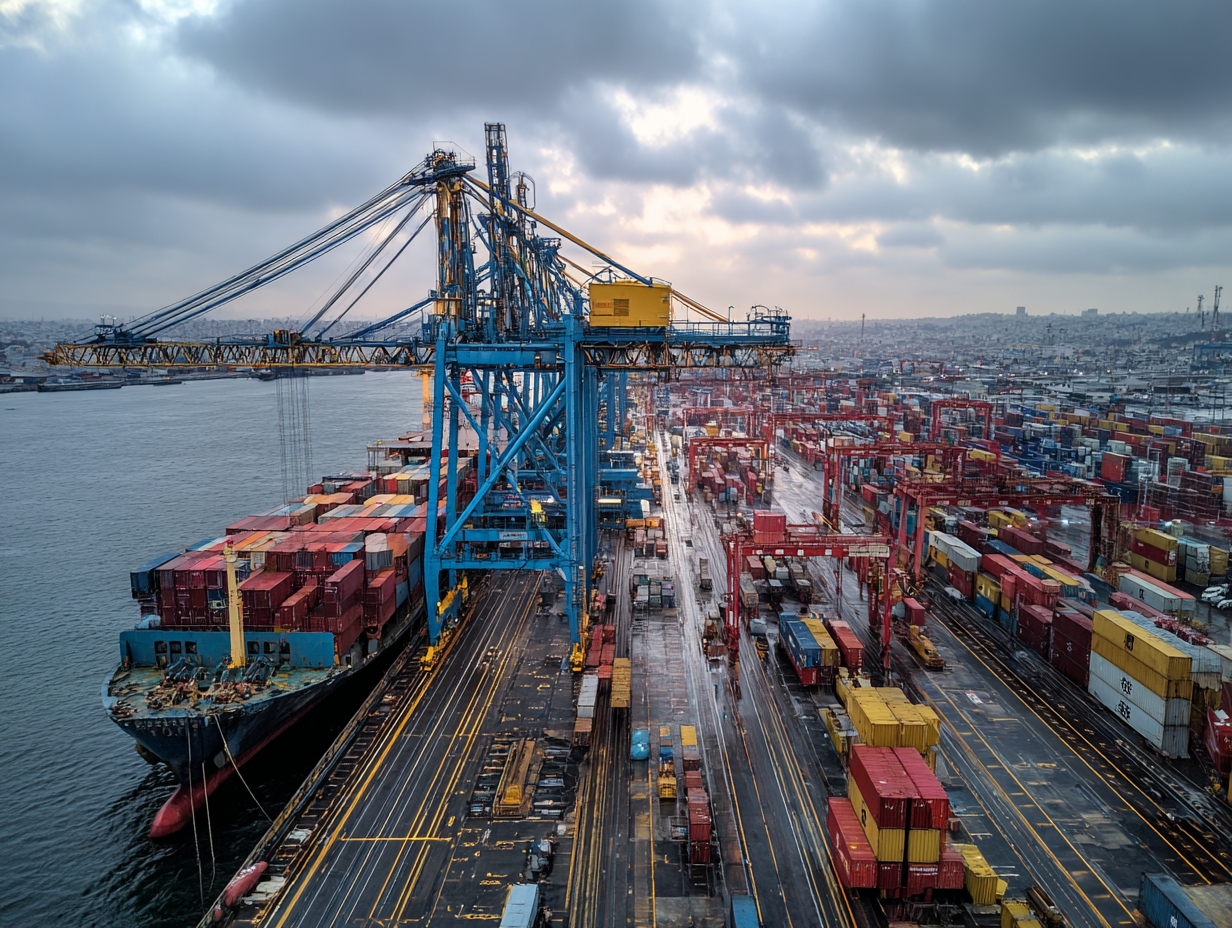

Operations Logistics & Timelines
Step-by-step process and transit times for international vessel berthing, customs clearance, transloading, and final delivery.
For Clients
Import & export process times from vessel arrival to cargo delivery.
- Booking confirmationsame day to 1 day
- Terminal gate-in and documentation4-24 hrs
- Cargo discharge or load planning12-48 hrs
- Final pickup or onward drayagesame day to 3 days
For Employees
Port authority inspection and transloading procedures and timelines.
- Berth planning and yard coordinationcontinuous
- Cargo handling operationsshift-based
- Customs and compliance processingsame day to 2 days
For Shareholders
Performance benchmarks, cargo throughput KPIs and reporting cadences.
- Throughput monitoringdaily / monthly
- Asset utilization reviewweekly / monthly
- Capital project trackingquarterly
International Import Tips & Tricks
- 1
Confirm cutoffs early
Confirm vessel cutoffs, customs filing deadlines, and drayage windows before cargo reaches the terminal to avoid storage and rollover costs.
- 2
Track utilization trends
Review berth productivity, dwell times, and throughput trends alongside capex progress to separate structural bottlenecks from short-term volume swings.
International Export Tips & Tricks
- 1
Keep gate data aligned
Keep appointment systems, yard status, and documentation status aligned to reduce avoidable delays in handoff and cargo release.
Tools & Resources
Tools and resources for shipping through Kajang, Malaysia.
Data & Reports
Official statistics, research reports, and data tracking for Kajang, Malaysia.
Official Port Search
Search results for the official site and public reports for Kajang, Malaysia.
UNCTAD Maritime Transport
UN trade and maritime transport reference reports.
World Bank Logistics
Global logistics and trade performance reference.
Port Statistics Search
Search results for throughput, connectivity, and container statistics.
Latest News & Updates
Recent developments and updates for Kajang, Malaysia.
Buyers' Guides
Port guides and logistics resources for Kajang, Malaysia.
Location & Maps
Find Kajang, Malaysia on popular mapping services.
Interactive Map
Map Legend
Loading Google Maps...
For More Info
Third-party resources, government portals, ratings, and more.
Government & Resources
Ratings
Licenses & Certifications
Frequently Asked Questions
Common inquiries about operations and logistics at Kajang, Malaysia.
What is the typical process for import containers moving through this international port?
Typical import flow is vessel arrival, berth assignment, discharge, customs review, terminal release, pickup or rail transfer, and final inland delivery. Timing depends on congestion, documentation, inspections, and local drayage capacity.
What affects export cargo timing at an international port?
Export timing depends on gate cutoff windows, booking confirmation, documentation readiness, customs requirements, terminal operating hours, and vessel schedule reliability.
Glossary / Terminology
Key terms relevant to international seaport operations and ocean freight.
