Manila, Philippines
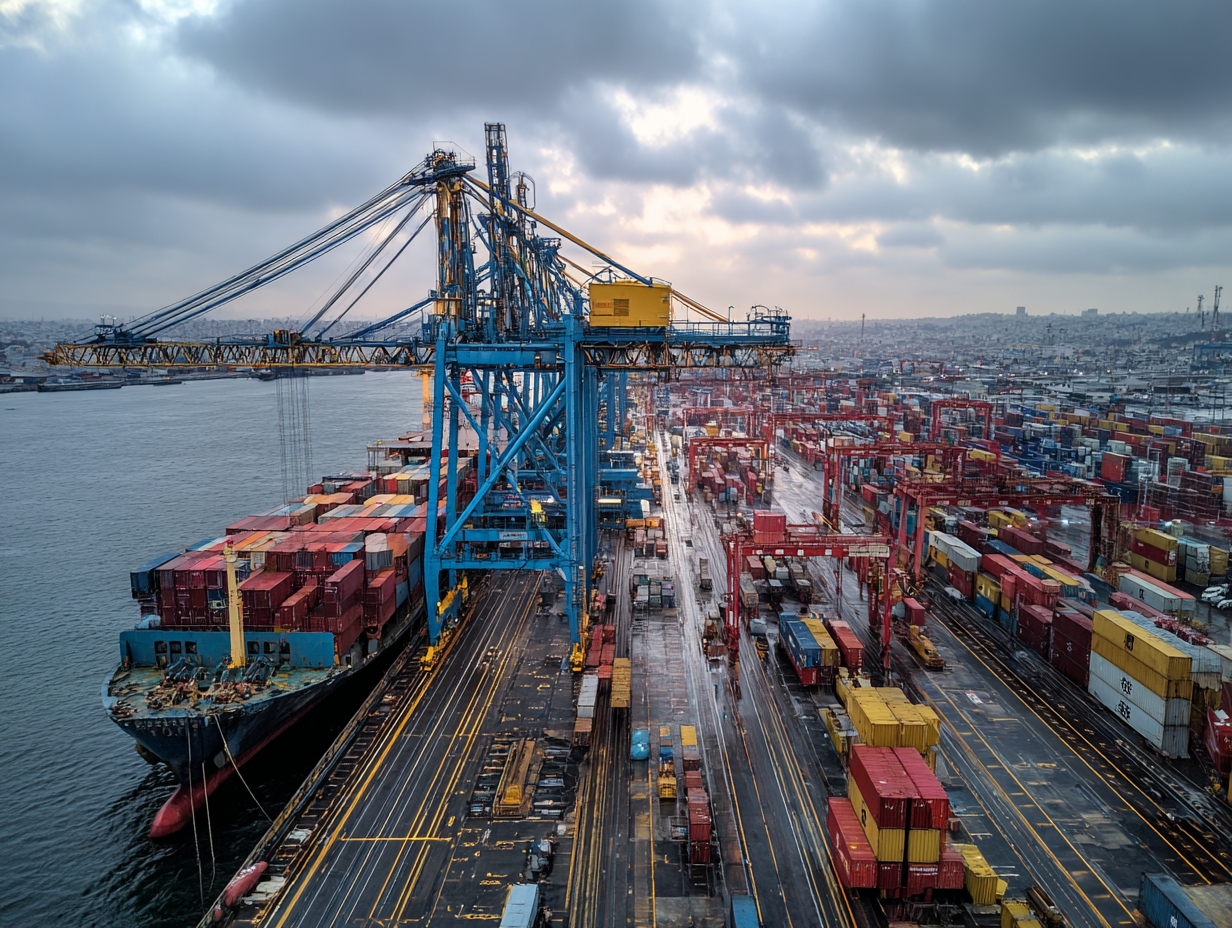
Manila: The Philippines' historic capital and major Pacific trade hub since 1571.


Port Overview
Manila, the capital of the Philippines, is strategically located on the eastern shore of Manila Bay. It is the second-most populous city in the country and a major economic hub. As part of the National Capital Region, Manila plays a crucial role in the country's economic and political activities. The Port of Manila is one of the busiest ports in Southeast Asia, handling significant cargo volumes. However, specific annual TEU (Twenty-Foot Equivalent Unit) capacity figures for Manila's ports are not readily available in this context.
Facilities & Infrastructure
Manila’s main port facilities include three key terminals: Manila North Harbor (primarily domestic cargo), Manila South Harbor (international cargo), and Manila International Container Terminal (MICT, focused on containerized cargo). The port features 12 piers, 22 berths, and advanced cargo handling equipment such as ship-to-shore cranes, rubber-tired gantry cranes, and reach stackers. MICT is equipped with automated gates and yard management systems, but does not currently use AGVs. The port handles containers, bulk, breakbulk, and Ro-Ro cargo.
Container Terminals
Manila's container terminals include the Manila International Container Terminal (MICT), operated by International Container Terminal Services, Inc. MICT has several berths, with ongoing expansion to include Berth 8, enhancing its capacity to 3.5 million TEUs annually. The terminal features advanced automation with automated lanes and optical character recognition portals. Major operators include ICTSI and Asian Terminals Incorporated at the Manila South Harbor.
Port Services
Main Services at Manila, Philippines
- Container Handling: Comprehensive container operations at Manila International Container Terminal, including loading, unloading, and transshipment of both full and less-than-container loads.
- Cargo Operations: Bulk, breakbulk, and project cargo handling across all terminals, with specialized equipment for oversized and heavy-lift items.
- Ship Services: Provisioning, bunkering, ship repair, and agency services for vessels calling at Manila’s piers and berths.
- Warehousing: Modern storage facilities, 24/7 container yards, and high-capacity warehousing for temporary cargo holding and distribution.
- Customs: Full customs clearance, documentation preparation, regulatory compliance, and liaison with authorities to expedite import/export processes.
Global Connectivity
Global Connectivity
The Port of Manila serves as the Philippines' premier international shipping gateway, strategically positioned along major East-West shipping lanes in Southeast Asia. The port connects to multiple international destinations including China, Japan, Vietnam, Singapore, Australia, Pakistan, and the United States. It functions as a critical node on the Maritime Silk Road, linking the Chinese coast through Singapore to India, Mombasa, and the Mediterranean with connections to Central and Eastern Europe. Domestically, Manila port facilitates trade throughout the Philippine archipelago, connecting Luzon to the MIMAROPA region, Visayas, and Mindanao islands.
Port Statistics
Port of Manila, Philippines – Key Statistics (2024):
- TEU Throughput: 5.5 million TEU
- World Ranking: 36th busiest container port globally
- Number of Berths: Approximately 34
- Port Area: Around 137 hectares (main container terminals)
- Shipping Lines: Served by over 30 major international shipping lines, including Maersk, MSC, CMA CGM, and Evergreen
The port comprises Manila International Container Terminal, South Harbor, and North Harbor, handling about 70% of the country’s international trade.

Operations Logistics & Timelines
Step-by-step process and transit times for international vessel berthing, customs clearance, transloading, and final delivery.
For Clients
Import & export process times from vessel arrival to cargo delivery.
- Booking confirmationsame day to 1 day
- Terminal gate-in and documentation4-24 hrs
- Cargo discharge or load planning12-48 hrs
- Final pickup or onward drayagesame day to 3 days
For Employees
Port authority inspection and transloading procedures and timelines.
- Berth planning and yard coordinationcontinuous
- Cargo handling operationsshift-based
- Customs and compliance processingsame day to 2 days
For Shareholders
Performance benchmarks, cargo throughput KPIs and reporting cadences.
- Throughput monitoringdaily / monthly
- Asset utilization reviewweekly / monthly
- Capital project trackingquarterly
International Import Tips & Tricks
- 1
Confirm cutoffs early
Confirm vessel cutoffs, customs filing deadlines, and drayage windows before cargo reaches the terminal to avoid storage and rollover costs.
- 2
Track utilization trends
Review berth productivity, dwell times, and throughput trends alongside capex progress to separate structural bottlenecks from short-term volume swings.
International Export Tips & Tricks
- 1
Keep gate data aligned
Keep appointment systems, yard status, and documentation status aligned to reduce avoidable delays in handoff and cargo release.
Tools & Resources
Tools and resources for shipping through Manila, Philippines.
Data & Reports
Official statistics, research reports, and data tracking for Manila, Philippines.
Official Port Search
Search results for the official site and public reports for Manila, Philippines.
UNCTAD Maritime Transport
UN trade and maritime transport reference reports.
World Bank Logistics
Global logistics and trade performance reference.
Port Statistics Search
Search results for throughput, connectivity, and container statistics.
Latest News & Updates
Recent developments and updates for Manila, Philippines.
Buyers' Guides
Port guides and logistics resources for Manila, Philippines.
Location & Maps
Find Manila, Philippines on popular mapping services.
Interactive Map
Map Legend
Loading Google Maps...
For More Info
Third-party resources, government portals, ratings, and more.
Government & Resources
Ratings
Licenses & Certifications
Frequently Asked Questions
Common inquiries about operations and logistics at Manila, Philippines.
What is the typical process for import containers moving through this international port?
Typical import flow is vessel arrival, berth assignment, discharge, customs review, terminal release, pickup or rail transfer, and final inland delivery. Timing depends on congestion, documentation, inspections, and local drayage capacity.
What affects export cargo timing at an international port?
Export timing depends on gate cutoff windows, booking confirmation, documentation readiness, customs requirements, terminal operating hours, and vessel schedule reliability.
Glossary / Terminology
Key terms relevant to international seaport operations and ocean freight.
