Baltimore/Washington International Thurgood Marshall Airport
The busiest airport in the Baltimore–Washington region, serving as a major hub for domestic and select international flights.

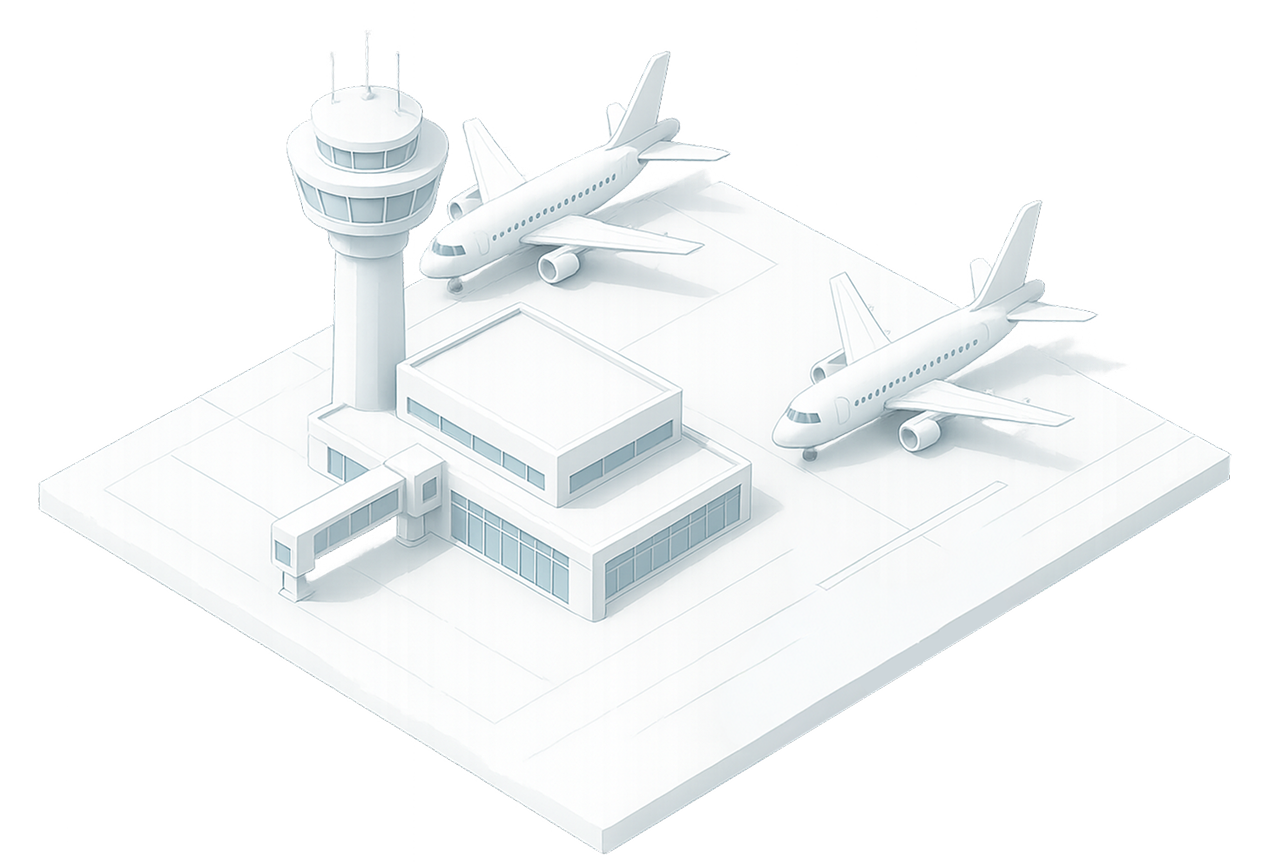

Overview of the Airport
Baltimore/Washington International Thurgood Marshall Airport (BWI) is located about 9 miles south of downtown Baltimore and 32 miles northeast of Washington, D.C. It serves as a primary airport for the Baltimore–Washington metropolitan area, offering extensive domestic and limited international service.
39.1754, -76.6684
Growth Trend
Passenger traffic decreased by 4.0% year-over-year for FY 2025, following a record-setting FY 2024.[1]

Employment
10,000
Employees include airline staff, ground services, concessions, security, and airport operations personnel.
Global Ranking
Market Share of Major Airlines
Capacity Expansion
Ongoing terminal and concourse upgrades are designed to increase passenger and cargo handling capacity.

Technological Advancements
Deployment of biometric boarding and advanced baggage tracking systems enhances operational efficiency.
Sustainability Initiatives
BWI is expanding electric vehicle infrastructure and implementing energy-efficient building upgrades to reduce its carbon footprint.
Recommendations
Policy Alignment
Collaborate with federal and state agencies to secure infrastructure funding and support regional transportation integration.
Infrastructure Investment
Accelerate modernization of terminals, airfield, and ground transportation facilities to meet future demand.
Sustainability Focus
Expand adoption of renewable energy and sustainable aviation fuels to achieve environmental compliance and reduce emissions.
