Fayetteville Regional Airport (Grannis Field)
A primary commercial service airport serving as a vital transportation hub for the Fayetteville region and Fort Bragg.

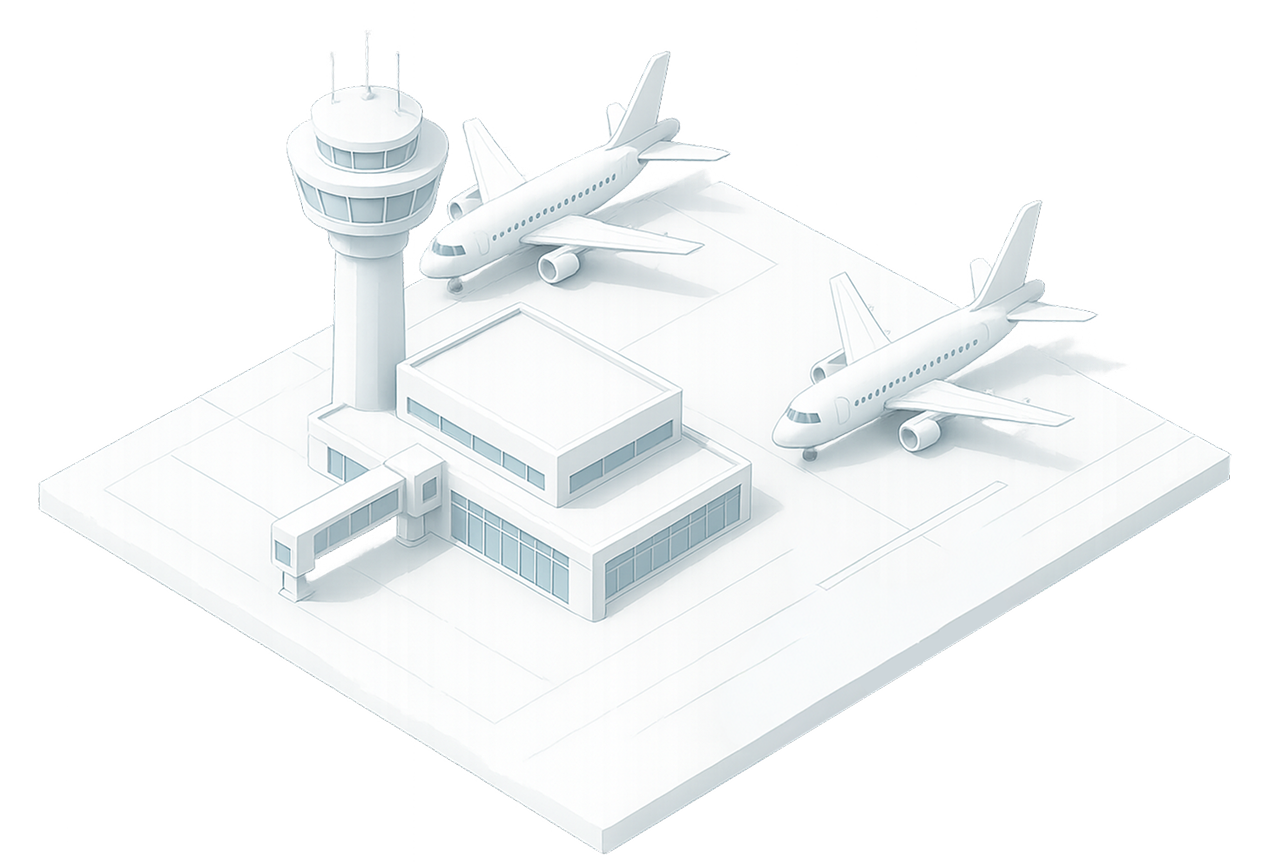

Overview of the Airport
Fayetteville Regional Airport, also known as Grannis Field, is a public airport owned by the city of Fayetteville, located three nautical miles south of downtown Fayetteville, North Carolina. It features two runways, a two-concourse terminal for commercial aviation, and a separate terminal for general aviation.
34.99122, -78.88027
Growth Trend
Passenger boardings grew from 202,597 in 2008 to 258,986 in 2010, reflecting steady regional demand, though recent annual figures are not publicly available.

Employment
500
Workers across airlines, ground services, concessions, security, and airport administration.

Global Ranking
Market Share of Major Airlines
Capacity Expansion
The airport’s two runways and modern terminal facilities currently meet regional demand, with ongoing evaluations for future expansion as passenger numbers grow.

Technological Advancements
The terminal features modern amenities, free Wi-Fi, and efficient security screening, though no major biometric or AI initiatives are publicly reported.

Sustainability Initiatives
No major sustainability programs are publicly documented, but the airport adheres to standard environmental regulations for noise and emissions.

Recommendations
Policy Alignment
Continue collaboration with federal and state agencies to secure funding for infrastructure upgrades and maintain compliance with aviation regulations.
Infrastructure Investment
Prioritize runway maintenance, terminal upgrades, and parking facilities to enhance passenger experience and operational efficiency.
Sustainability Focus
Explore adoption of energy-efficient technologies and sustainable practices to align with evolving environmental standards and community expectations.
