Sioux Falls Regional Airport – Joe Foss Field
The largest airport in South Dakota, serving as a vital hub for commercial, cargo, and military aviation in the region.


Overview of the Airport
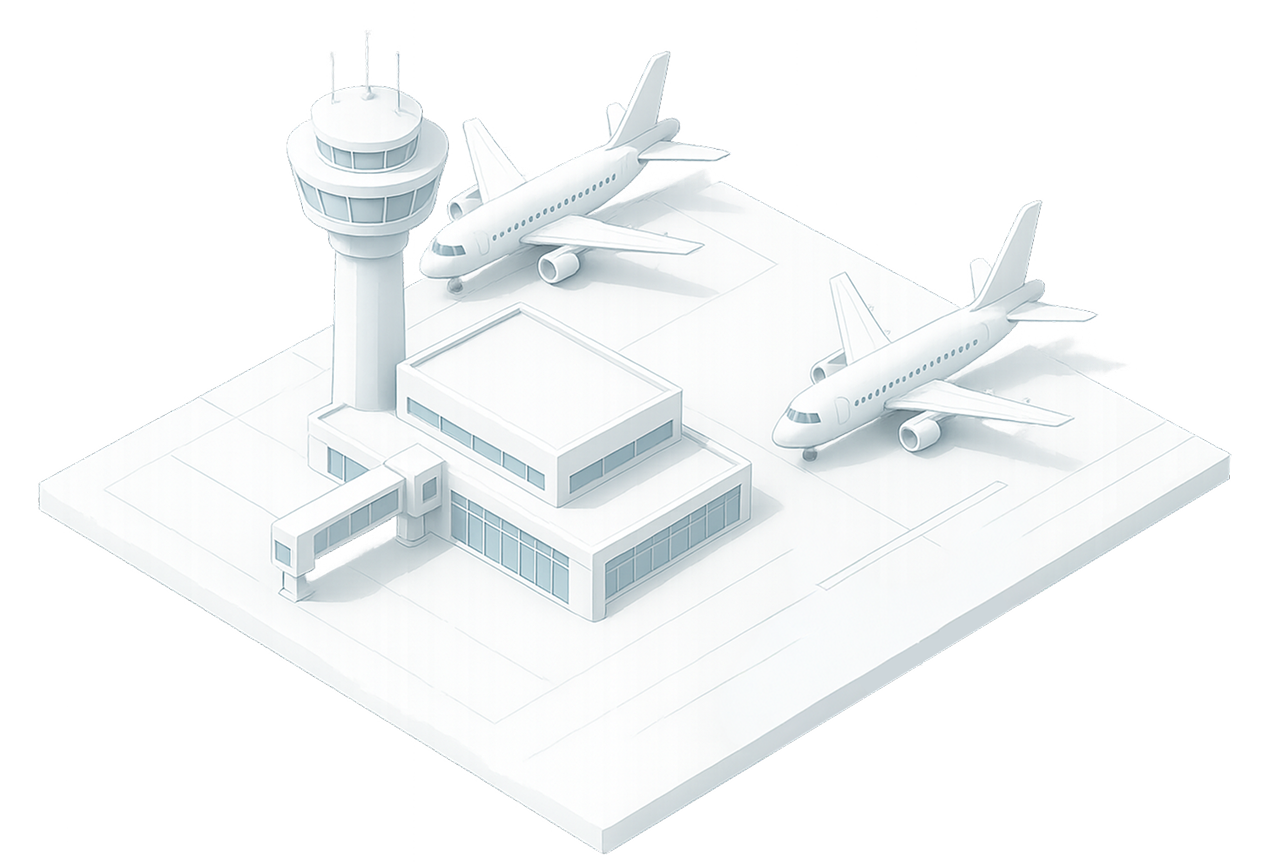
Sioux Falls Regional Airport (Joe Foss Field) is located three miles northwest of downtown Sioux Falls. It serves southeastern South Dakota, southwestern Minnesota, and northwestern Iowa with scheduled passenger and cargo flights, general aviation, and military operations. The airport is named in honor of WWII ace pilot and former Governor Joe Foss.
43.58194, -96.74194
Growth Trend
Passenger traffic has grown steadily, with a 7% increase in 2023 over the previous year.

Employment
2,500
Workers include airline staff, ground services, concessions, security, and Air National Guard personnel.

Global Ranking
Market Share of Major Airlines
Capacity Expansion
Ongoing terminal and parking expansions will increase passenger and cargo handling capacity to meet regional demand.

Technological Advancements
Deployment of advanced security screening and digital passenger information systems enhances efficiency and safety.
Sustainability Initiatives
Implementation of energy-efficient lighting, recycling programs, and support for sustainable aviation fuels aligns with environmental goals.
Latest News & Updates
Recent developments and updates for Sioux Falls Regional Airport – Joe Foss Field.
Sioux Falls Regional Airport Announces New Partnership with Barksdale Airport
Sioux Falls Regional Airport (FSD) has announced a new partnership with Barksdale Airport to offer passengers a convenient connecting option. The collaboration aims to improve travel efficiency for those flying through the two airports.
Sioux Falls Regional Airport sees a boost in passenger numbers
Sioux Falls Regional Airport (FSD) reported a significant increase in passenger numbers for February 2024. The airport's continued growth reflects the city's expanding economy and popularity as a travel destination.
Sioux Falls Regional Airport’s runway improvements continue to pay off
The recent runway improvements at Sioux Falls Regional Airport (FSD) have been contributing to smoother operations and increased flight capacity. Officials say these upgrades are key to the airport’s continued growth and ability to handle passenger volume.
Operations Logistics & Timelines
Step-by-step process transit times for passengers and cargo.
For Clients
Passenger process times from arrival to gate.
- Arrival & Baggage Drop-off5-10 mins
- Check-in10-15 mins
- Security Screening20-45 mins
- Gate Transfer5-10 mins
- Boarding5-10 mins
- Waiting at Gate15-30 mins
For Employees
Cargo handling deadlines and operational procedures.
- General Cargo Cut-off60 mins pre-departure
- Manifest Review30 mins pre-departure
- Securement Verification15 mins pre-departure
- Baggage Tagging10 mins pre-departure
- Weight & Measurement Verification5 mins pre-departure
- Customs and Security ScreeningAs Required
- Loading onto AircraftDependent on Aircraft & Flight Schedule
Passengers' Tips & Tricks
- 1
Arrive Early for Security
Sioux Falls Regional Airport (FSD) can experience peak travel times, particularly during holidays and weekends. Allow extra time for security screening to avoid delays and ensure a stress-free start to your journey.
- 2
Utilize Mobile Check-in
Take advantage of mobile check-in services offered by most airlines to expedite the check-in process and minimize wait times at the gate.
- 3
Familiarize Yourself with Terminal Layout
The Joe Foss Field terminal is designed for efficiency, but it's helpful to familiarize yourself with the layout, especially if you're traveling with luggage or have connecting flights.
- 4
Explore Dining and Retail Options
The terminal offers a variety of restaurants and retail outlets to cater to your needs. Plan ahead to avoid hunger and shopping delays.
- 5
Parking Options and Shuttle Service
Consider pre-booking parking or utilizing the airport shuttle service for convenient and cost-effective transportation to and from the terminal.
Cargo Tips & Tricks
- 1
Book in Advance
Air freight capacity at FSD can fluctuate. Booking shipments well in advance, especially during peak seasons, increases the likelihood of securing space and preferred transit times.
- 2
Utilize Loading Tunnels
The airport's seven gates with loading tunnels streamline cargo handling, reducing turnaround times and facilitating faster loading and unloading operations.
- 3
Leverage Ground Handling Services
Partner with EVO Jet or other contracted ground handling providers (FBOs) for efficient fuel pricing, ground handling, quick-turns, and hangar storage services to optimize cargo logistics.
- 4
Understand Customs & Border Processing
FSD has Customs and Border Protection facilities, so be prepared for relevant documentation and procedures for international cargo shipments.
- 5
Consider Runway Capacity
With three runways, FSD offers flexibility for cargo operations. However, peak periods might impact runway access and scheduling.
Tools & Resources
Essential tools, portals, and resources for clients and partners.
Data & Reports
Official statistics, research reports, and data tracking for Sioux Falls Regional Airport – Joe Foss Field.
Destination Airport Statistics
Provides destination airport statistics, including passenger counts, for the period November 2025. Data sourced from the BTS.
2025 Airport Improvement Program (AIP) Grants
Details the Airport Improvement Program (AIP) grants awarded to Sioux Falls Regional Airport for infrastructure projects.
ACRP Report 194 - Using Disaggregated Socioeconomic Data
A research report analyzing air passenger demand, including a chapter on Sioux Falls Regional Airport – Joe Foss Field.
Airline On-Time Statistics and Delay Causes
Data on airline on-time performance and delay causes, covering January 2018 to November 2025.
Sioux Falls Regional Airport - Joe Foss Field - Existing Conditions
Provides an overview of the airport's operations, including passenger service, cargo, general aviation, and customs services. Contains a master plan update.
Location & Maps
Find Sioux Falls Regional Airport – Joe Foss Field on popular mapping services.
Interactive Map
Map Legend
Loading Google Maps...
Frequently Asked Questions
Common inquiries about operations and logistics at Sioux Falls Regional Airport – Joe Foss Field.
What is the name of the airport and why is it named that?
The airport is known as Sioux Falls Regional Airport, also called Joe Foss Field, and it is named in honor of aviator and Sioux Falls native Joe Foss, who later served as the 20th Governor of South Dakota.
What are the operating hours for the Sioux Falls Regional Airport Terminal?
The Sioux Falls Regional Airport Terminal building opens at 3:30 a.m. and closes after the last flight arrives at midnight.
How large is Joe Foss Field?
Joe Foss Field covers 635 hectares (approximately 1597 acres).
Does Joe Foss Field have Customs and Border Protection facilities?
Yes, Joe Foss Field has Customs and Border Protection facilities used for cargo and general aviation.
For More Info
Third-party resources, government portals, ratings, and more.
