
Cyber Disruption and Supply Chain Continuity: An Operational Analysis of the Hasbro Incident
Introduction: The Threat to Operational Stability
The stability of modern supply chains relies heavily on digital infrastructure. However, recent events involving major industry players highlight the vulnerability of operations to cyber threats. On March 28, a significant cyberattack was reported by a major U.S. toymaker, impacting its ability to process orders and execute shipping logistics. This incident underscores the critical need for robust digital resilience within supply chain networks. The company, which manages a substantial portfolio of consumer goods, indicated that the breach could lead to potential weeks of product delays. This situation serves as a case study for understanding the intersection of cybersecurity and physical supply chain operations.
While the immediate focus is on the manufacturer, the implications extend to logistics partners, retailers, and regulatory bodies. The integration of digital data into physical goods tracking has created new risk vectors. When an unauthorized party gains access to a corporate network, it is not merely a matter of data privacy; it is an operational threat that can paralyze production and distribution capabilities. Understanding the operational response to such threats is essential for supply chain professionals managing risk in an increasingly connected ecosystem.
Operational Impact: Orders and Shipping Logistics
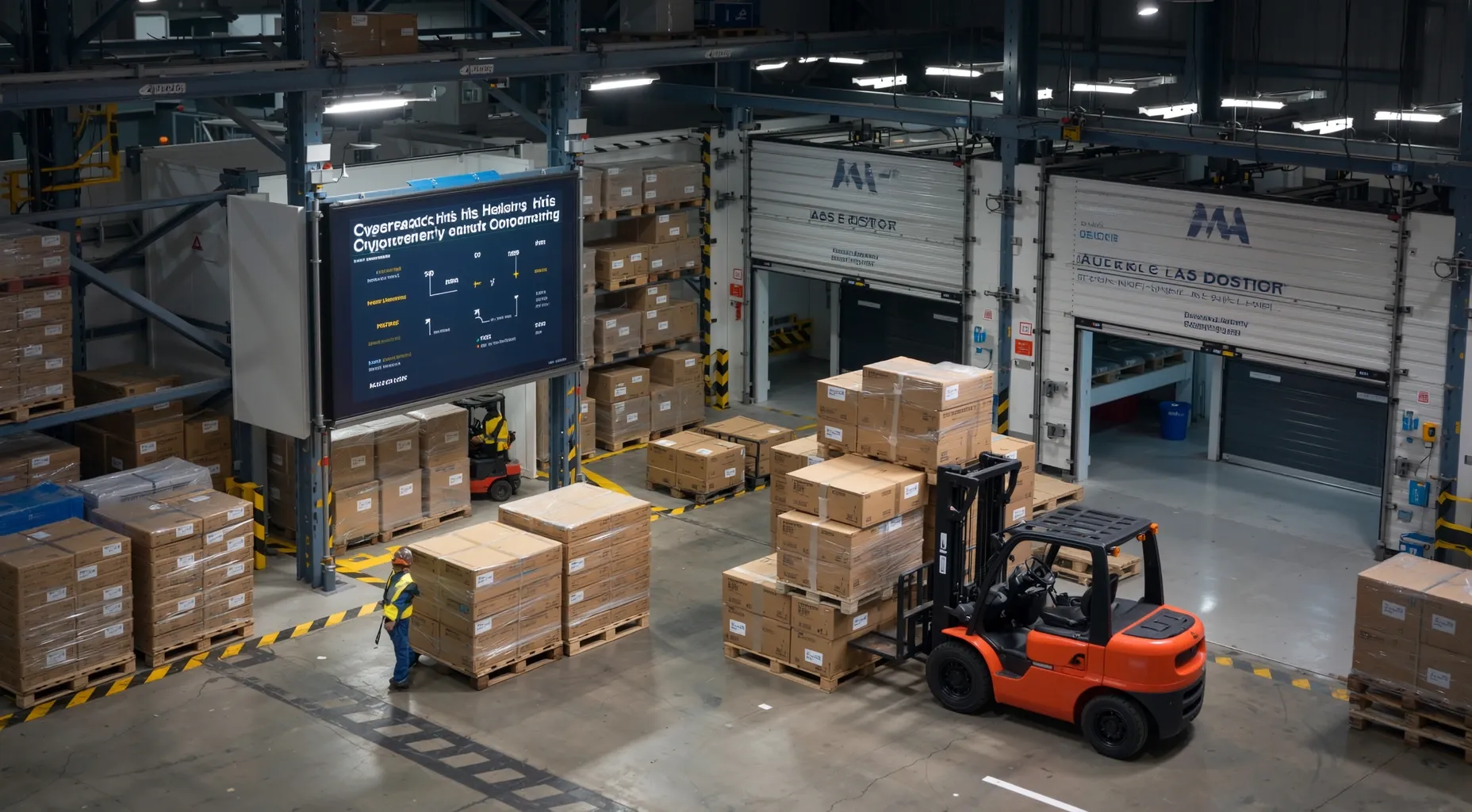
The primary impact of the cyberattack centers on the disruption of core operations. The company implemented business continuity plans specifically to manage the ability to accept orders, ship products, and conduct other critical functions. This disruption was discovered after an unauthorized party successfully penetrated the network, gaining access to internal systems.
For supply chain operators, the implications of such an event are multifaceted. The delay in order processing affects customer fulfillment rates and can strain retailer partnerships. Simultaneously, the inability to ship products creates a backlog that impacts inventory turnover. Companies like Hasbro rely on just-in-time manufacturing and complex global logistics. A cyberattack forces a pause or modification to these flow, requiring a re-evaluation of capacity and resource allocation.
The disruption was not limited to digital information loss; it touched upon the physical execution of the supply chain. If order management systems are compromised, inventory visibility becomes unreliable. This affects demand forecasting and warehouse picking operations. Furthermore, the potential theft of company data raises concerns about intellectual property, which is increasingly valuable in the manufacturing sector.
Cybersecurity Response: Forensics and System Control
Upon discovery of the unauthorized access on March 28, the company initiated a rigorous response protocol. Immediate steps included proactively shutting down certain systems to protect against further damage. This decision highlights a common operational dilemma: the balance between maintaining digital connectivity and ensuring network security.
To assist in the remediation, the company engaged third-party forensics experts. Engaging external specialists is a standard best practice for large enterprises facing significant breaches. These experts provide objective analysis of the attack vector, scope of data exposure, and integrity of compromised systems. This step ensures that the internal team’s assessment is accurate and aligns with industry standards for forensic analysis.
While business operations remained open according to company spokespeople, the focus shifted to containment and investigation. The company is working to identify any files that were potentially impacted by the attack. This process is crucial for legal compliance and internal accountability. Once identified, proper authorities will be notified as required. The proactive nature of shutting down systems demonstrates a commitment to preventing further exploitation during the investigation phase.
Regulatory and Financial Context: SEC Filing and Business Continuity
Explore More Articles

The magnitude of the incident is reflected in the company’s regulatory filings. The 8-K filing with the Securities and Exchange Commission (SEC) details the nature of the cyberattack and its impact on operations. In the corporate and supply chain world, regulatory disclosure is not just a compliance requirement; it is a signal to the market regarding potential financial and operational risks.
SEC filings ensure transparency regarding material events. For a company of this scale, the inability to fully assess data theft status immediately after the attack requires clear communication of the investigation status. This transparency helps stakeholders assess the reliability of the supply chain without relying on rumors. The filing also outlines steps to ensure that business operations will operate securely moving forward.
This regulatory aspect is particularly relevant for supply chain management. Supply chain leaders often interact with financial teams to assess risk tolerance. The inclusion of cyber risk in financial disclosures means that IT security is now viewed through a financial lens, directly affecting capital allocation for risk mitigation and insurance.
Broader Industry Context: Infrastructure and Technology Trends
While the Hasbro incident focuses on internal data protection, the broader supply chain environment faces external infrastructure challenges. In the logistics sector, issues with infrastructure funding can impact shipping capabilities independently of cyber threats. Reports have surfaced regarding postal services, where cash flow sustainability is a critical concern for the agency. This highlights how operational continuity is not solely determined by internal cybersecurity but also by external infrastructure funding and capacity.
Simultaneously, the integration of AI and enterprise software remains a priority for business continuity. Trends in the sector indicate a focus on embedding AI-powered assistants into business systems to enhance efficiency and data management. While the specific application regarding a food and beverage sector is noted in recent industry updates, the principle applies to manufacturing as well. Embedding AI into core business systems allows for better automation of order processing and supply chain visibility. However, reliance on such technology also creates new dependencies that must be managed within a resilient supply chain architecture.
Actionable Takeaways for Supply Chain Operations
As organizations prepare for potential disruptions and evolving digital threats, several operational takeaways emerge from the recent incident.
- Activate Business Continuity Plans (BCPs) Proactively: Do not wait for a breach to test your BCP. Ensure that there are redundant systems available for accepting orders and processing shipments. This ensures that if one digital layer fails, another can maintain visibility and transaction capability.
- Prioritize Third-Party Forensics: Engage external experts immediately upon a confirmed breach. Internal teams lack the neutrality required to assess the full scope of damage objectively. Ensure your legal and compliance teams are aligned with the forensic findings.
- Transparency in Reporting: For significant incidents, regulatory filings and clear communication to stakeholders are essential. This maintains trust with partners and investors who rely on the company to manage its supply chain.
- System Segmentation: The decision to shut down certain systems suggests that network segmentation can limit the blast radius of an attack. Reviewing system architecture to ensure that critical order management systems are isolated from less secure networks is a key mitigation strategy.
- Monitor Infrastructure Dependencies: Beyond internal security, supply chain leaders must monitor external infrastructure partners. Issues with logistics carriers or shipping networks can compound operational delays caused by internal cyber events.
Conclusion: Building Resilience for the Future
The Hasbro cyberattack serves as a reminder that supply chain resilience is a dual challenge of physical and digital security. While the company has initiated measures to protect its systems and data, the potential for weeks of delays emphasizes the need for comprehensive contingency planning. The incident underscores the importance of regulatory adherence and third-party collaboration in managing risk.
In the broader operational landscape, managing the intersection of AI integration, infrastructure sustainability, and cybersecurity is essential. Supply chain leaders must adopt a holistic view of risk that encompasses technical security, operational flow, and regulatory compliance. By focusing on actionable protocols and transparent reporting, organizations can better mitigate the impact of such disruptions. The goal is to maintain operational continuity while enhancing the security posture of the enterprise network.



Loading comments...