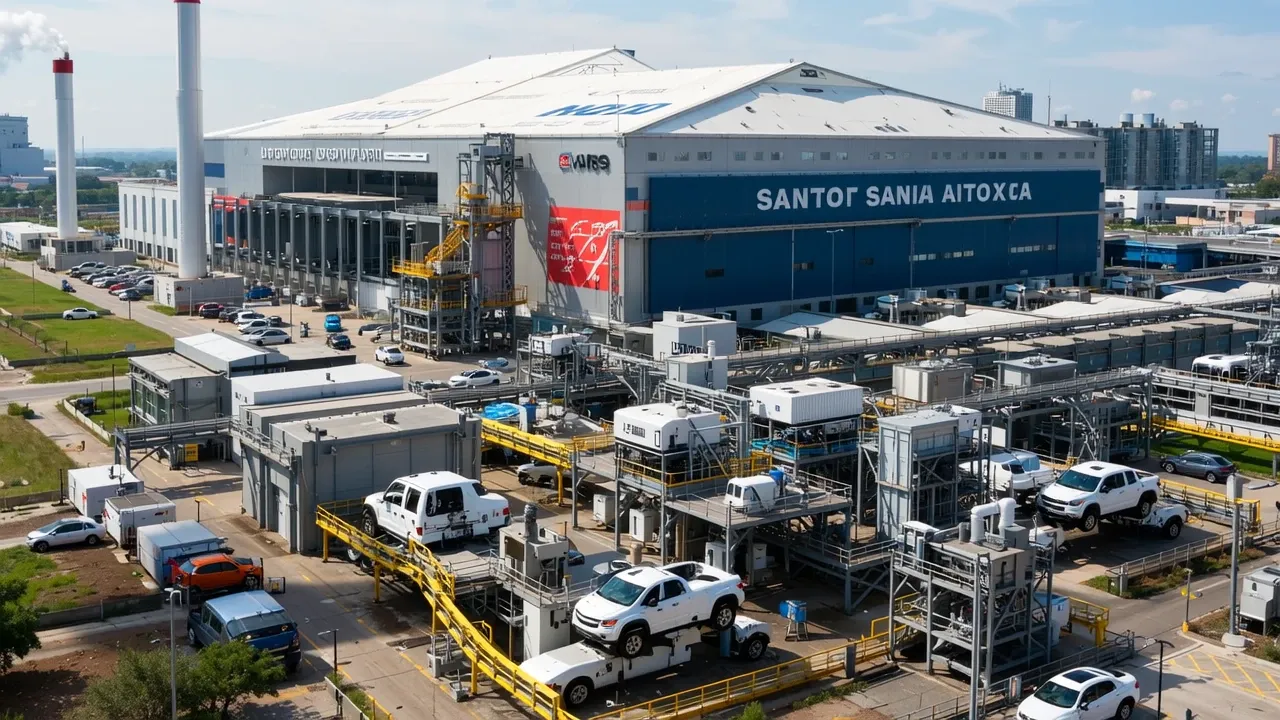
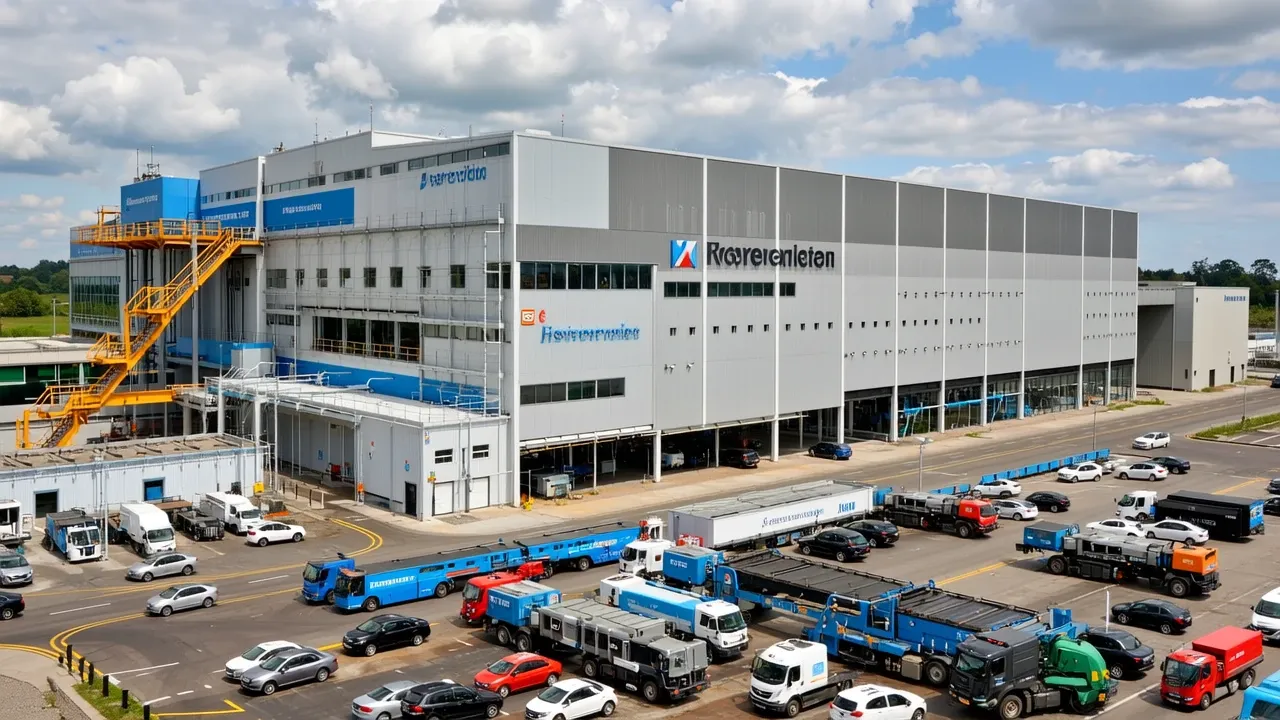
The Electric Revolution: Tesla Semi Enters High-Volume Production\n\nThe operational landscape of North American freight logistics is undergoing a fundamental, accelerated transformation driven by electrification, with the Tesla Semi emerging as a vanguard of this shift. Following years of developmental milestones and targeted pilot programs, the Semi officially transitioned into high-volume production in April 2026 [Source: Clean Trucking, 2026]. This mass production marks more than just a product launch; it signals a major industry inflection point where long-haul operations must rapidly address the viability and integration of battery-electric vehicles (BEVs) into established supply chain infrastructure. Initially, the Semi was celebrated as a demonstration of capability, but the move to large-scale output at its Nevada facility—designed for an annual capacity up to 50,000 units [Source: Electrek, 2026]—places immense pressure on existing energy grids and regulatory frameworks.\n\n#### The Operational Shift: From Diesel Dependency to Electrification\n\nThe integration of BEVs into freight networks addresses critical pressures on the supply chain: emissions reduction and operational efficiency. While the transition is complex, research indicates that a widespread shift can yield substantial environmental benefits, with studies showing potential reductions of up to 55.9% in transportation-related emissions [Source: ScienceDirect, 2025]. Furthermore, the vehicles themselves integrate advanced data systems that promise to enhance route optimization and allow for predictive maintenance, fundamentally improving the predictability of supply chain movements [Source: TCI Transportation, 2024].\n\n#### Infrastructure as the Next Battleground\n\nThe viability of the Semi on true long-haul routes hinges entirely on charging infrastructure. Early deployments rely on overnight depot charging, which suits regional runs but presents a significant hurdle for cross-country travel [Source: TruckClub, 2025]. For true long-haul efficacy, the industry is looking toward Megawatt Charging System (MCS) standards, aiming for faster replenishment times. One analysis showed that a truck utilizing a 500 kW charger can replenish 70% of its battery in roughly 30 minutes at a dedicated station [Source: Basenor, 2026]. Successfully deploying this decentralized charging network—whether through public corridors or dedicated fleet partnerships—is the next crucial operational challenge for logistics leaders looking to capitalize on this technology.
Engineering the Future: Power, Range, and Grid Integration\n\nThe technical specifications of the Tesla Semi, particularly its battery capacity and charging profile, dictate its fit within modern logistics. The industry benchmarks for long-haul success are no longer defined solely by engine horsepower but by energy density, charging curve management, and operational uptime. The Semi’s design, which features high-capacity battery packs, directly relates to the charging requirements necessary to maintain competitive transit times against conventional diesel counterparts.\n\n#### Power Dynamics: From kW to MW\n\nWhile initial deployments might use 150–350 kW chargers suitable for return-to-base scenarios, the aspiration for inter-city transport requires a substantial leap in charging power. Academic models highlight that while a 250 kW highway power supply level is sufficient for continuous operation without roadside recharging for certain truck sizes, the commercial viability of the highest mileage operations pushes the requirement toward Megawatt Charging Systems (MCS) [Source: MDPI, 2023; ScienceDirect, 2023]. These advancements are crucial because, as documented, attempting to charge large batteries using existing 150 kW infrastructure can extend necessary downtime to over 11 hours, rendering them impractical for time-sensitive freight schedules [Source: ScienceDirect, 2025].\n\n#### Payload vs. Battery Burden: The Trade-off\n\nA primary operational consideration for any freight operator is the trade-off between battery mass/size and usable payload. Carrying massive battery packs inherently reduces the weight capacity available for revenue-generating cargo. Therefore, advancements in energy density are vital. The industry is watching for developments that allow for high energy storage in a smaller form factor, enabling the truck to carry maximum cargo while retaining competitive range. The ultimate success of this technology relies on a holistic ecosystem—trucks, optimized routing software, and reliable charging points—working in perfect concert.\n\n#### The Road Ahead: Operational Takeaway\n\nFor logistics professionals, the immediate operational takeaway is that the adoption curve is steep, but the infrastructure development is lagging. Operators must strategically plan for a mixed fleet environment, integrating the efficiency gains of BEVs for high-density urban or regional routes while maintaining traditional diesel capacity for sustained, long-haul international hauls. The future is hybrid, relying on regulatory support and massive capital investment into resilient, high-speed charging corridors to unlock the true potential of electric heavy-duty transport.




Loading comments...