Five Nations Poised for Significant Supply Chain Expansion

Sarah Williams
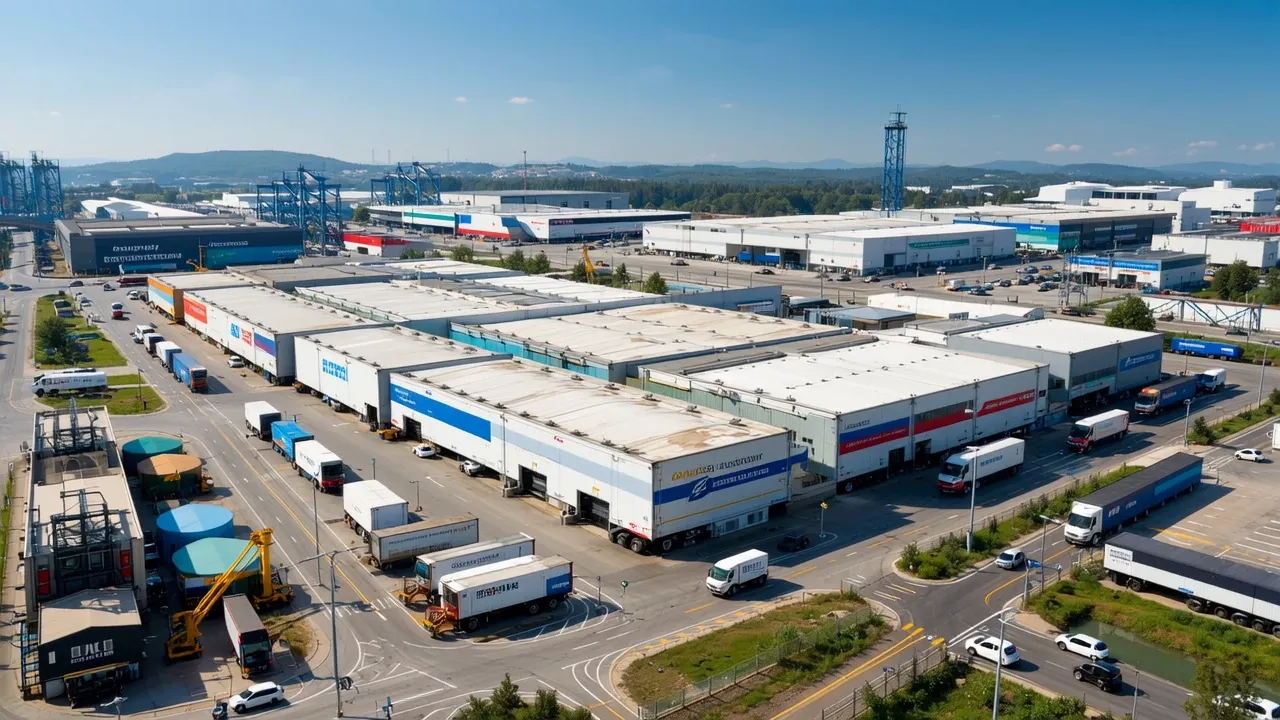
Emerging Markets: Identifying Future Growth Corridors
A recent analysis by Verisk Maplecroft has highlighted five specific countries—Thailand, the Philippines, Argentina, Uruguay, and Chile—as regions exhibiting significant potential for future expansion within global supply chains. This identification is based on complex risk modeling and economic indicators, suggesting these nations are strategically positioned to absorb increased logistical and manufacturing throughput in the coming years. Understanding these emerging hubs is critical for any entity involved in global trade, as shifting production and sourcing patterns directly impact operational planning and risk profiles.
The report emphasizes that growth is not uniform; rather, it is tied to specific economic drivers, infrastructure development, and geopolitical stability within each nation. For logistics providers, this signals opportunities in developing robust regional distribution networks and enhancing cross-border transit capabilities. The underlying dynamics of global trade are constantly evolving, necessitating proactive strategies for Supply Chain Risk Management. Reviewing the full findings provides deeper insight into the methodologies employed here.
Thailand, for instance, continues to leverage its established manufacturing base while seeking diversification. The Philippines presents a strong case due to its growing digital economy and favorable demographics. Meanwhile, South American nations like Argentina, Uruguay, and Chile are being noted for their unique positioning in resource trade and regional integration efforts. These countries offer diverse entry points into various global markets, ranging from high-tech assembly to raw material sourcing.
Effective navigation of these emerging markets requires more than just identifying potential; it demands a deep dive into local regulatory environments and inherent operational challenges. For instance, while growth potential is high, managing Supply Chain Risk requires specialized expertise. Factors such as infrastructure maturity, customs efficiency, and local labor dynamics must be factored into any long-term operational blueprint. Furthermore, the integration of advanced planning tools, such as those supporting Supply Chain Algorithmic Optimization, becomes paramount when dealing with the variability inherent in these developing corridors. As global trade continues to reconfigure itself post-pandemic, these five nations represent key nodes in the next iteration of the global Supply Chain. To better understand the macro-economic context driving these shifts, one can refer to data from organizations like the USTR regarding international trade trends.
Explore More Articles
Operational Implications for Logistics and Trade
Identifying high-potential expansion zones necessitates a corresponding evolution in logistical capabilities. When companies look toward Thailand, the Philippines, Argentina, Uruguay, and Chile, they are looking at areas where traditional logistics models may require significant augmentation. The focus must shift toward building resilient, multi-modal pathways capable of handling diverse cargo types and fluctuating demand profiles. This is particularly true when considering the need for comprehensive Supply Chain Risk Mitigation Services.
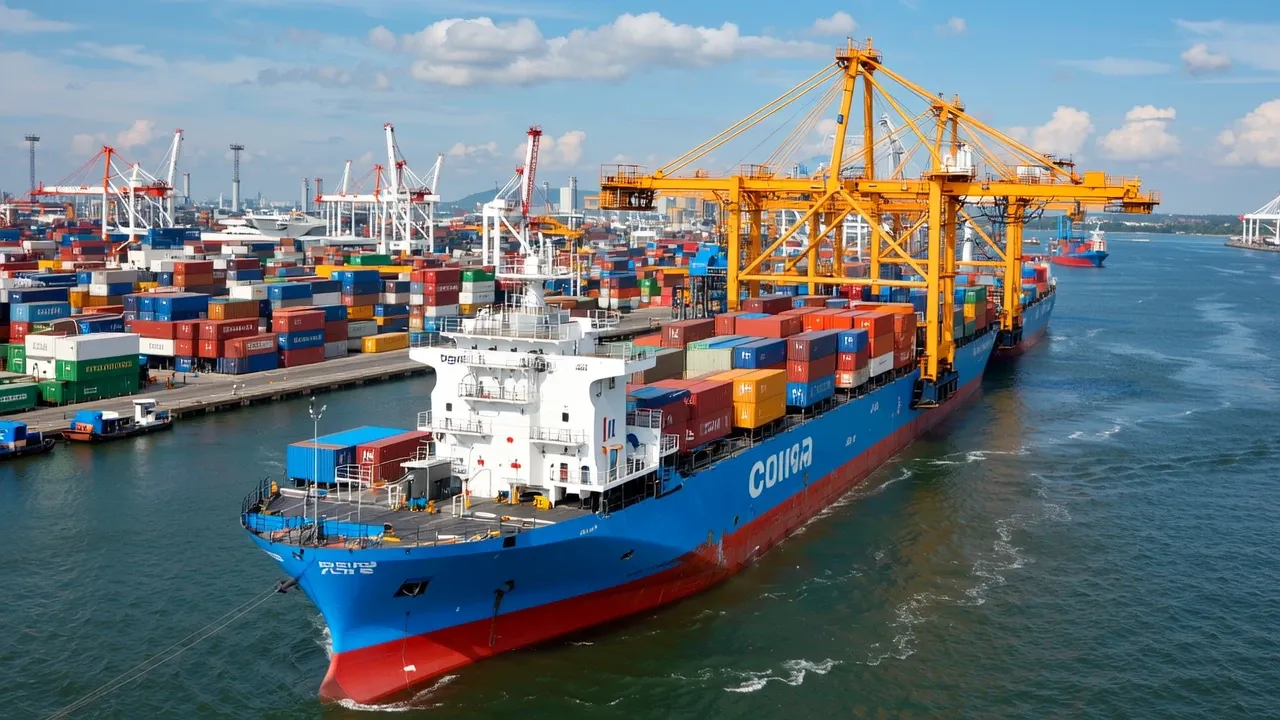
For instance, the infrastructure required to support rapid expansion in these regions often demands advanced planning. Optimizing the flow of goods across varied geographies, from the established industrial zones of Thailand to the developing ports of the Philippines, requires sophisticated network design. This ties directly into the principles of Supply Chain Topology Optimization. Furthermore, the increasing complexity of international compliance across these diverse regulatory landscapes underscores the necessity of robust governance frameworks. Companies must implement rigorous Supply Chain Governance to maintain compliance while scaling operations.
Beyond physical infrastructure, the digital layer of the supply chain is undergoing rapid transformation. Integrating disparate systems across international borders—from customs declarations to last-mile delivery tracking—is a major operational hurdle. Modernizing these interfaces is key to unlocking the potential identified by the Verisk Maplecroft report. Data integrity and predictive analytics are no longer optional; they are foundational requirements for sustained growth in these dynamic environments. For deeper insights into global economic health indicators that influence these trade flows, reports from the World Bank provide valuable context.


Loading comments...