Intel's $5.7B Expansion in Ireland Signals Major Semiconductor Supply Chain Shift

Emily Johnson
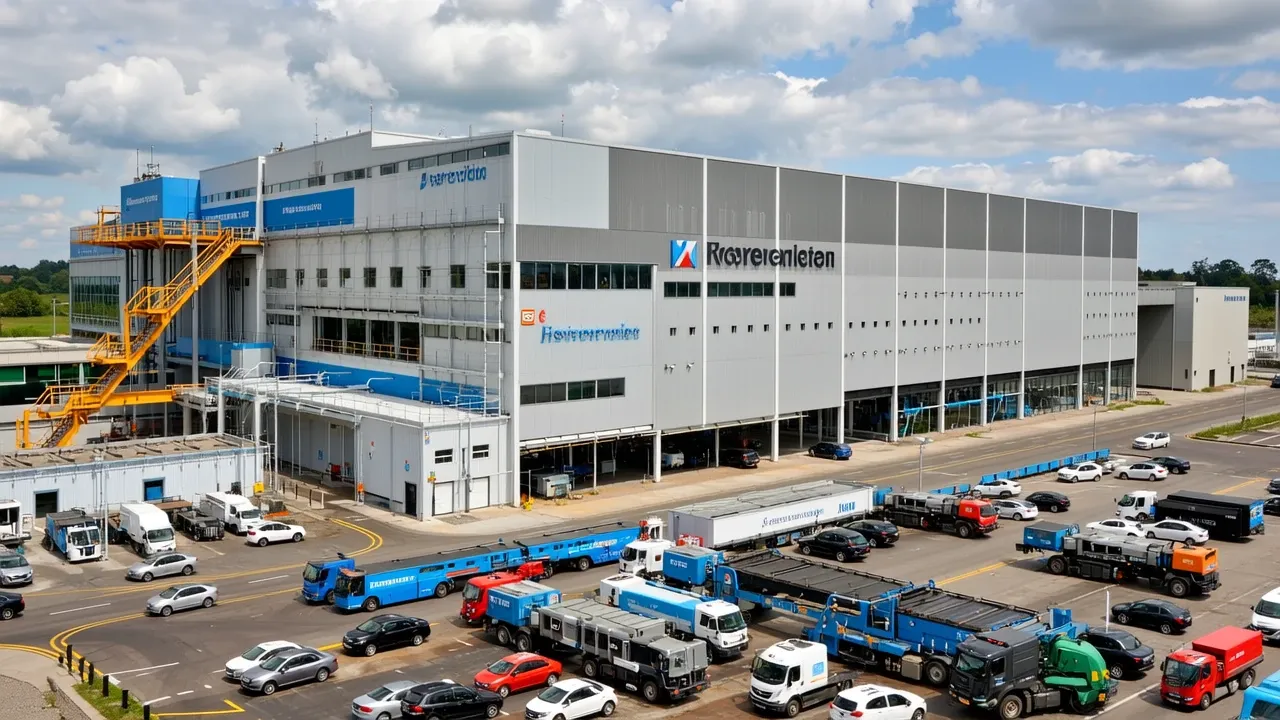
Strategic Investment Drives Semiconductor Manufacturing Growth
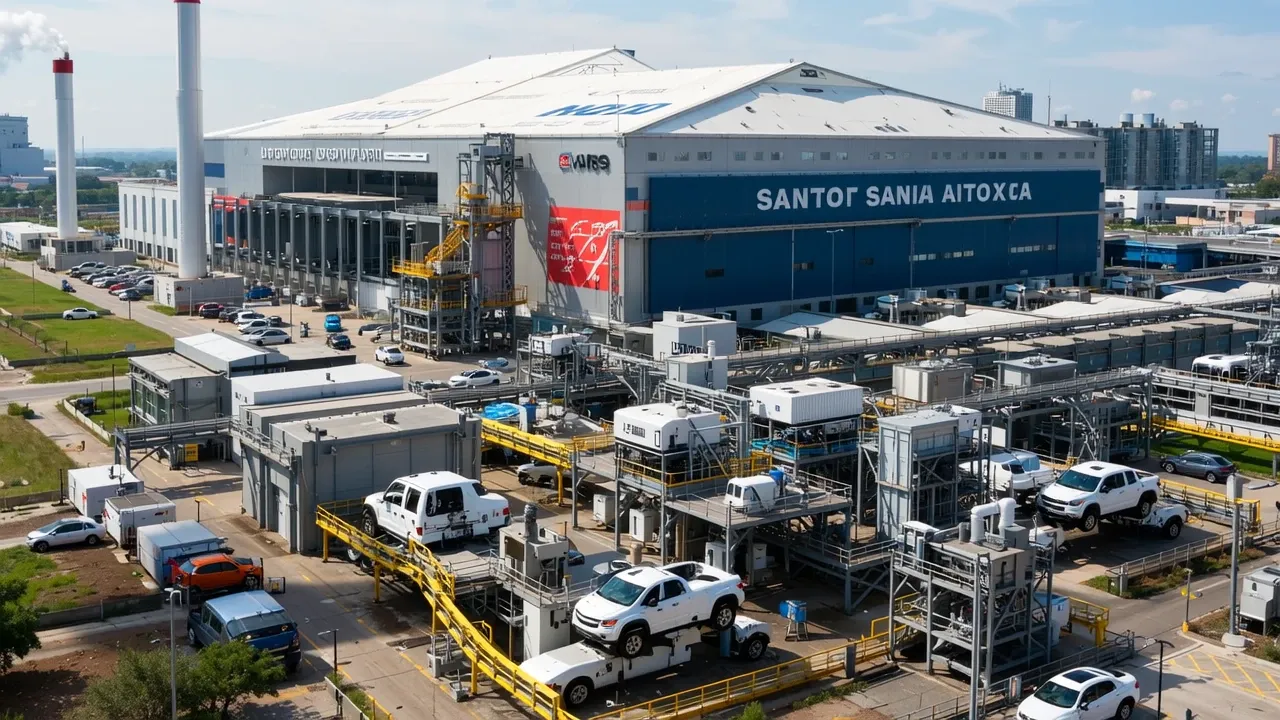
Intel has announced a substantial capital investment of $5.7 billion to expand its manufacturing footprint in Ireland. This significant commitment is aimed at bolstering production capabilities, specifically focusing on increasing the output of AI-focused processors. The expansion involves the integration of new, advanced manufacturing equipment and the comprehensive upgrading of existing fabrication plants (fabs). This move underscores a broader trend of high-tech manufacturing regionalization and capacity scaling within the global semiconductor industry.
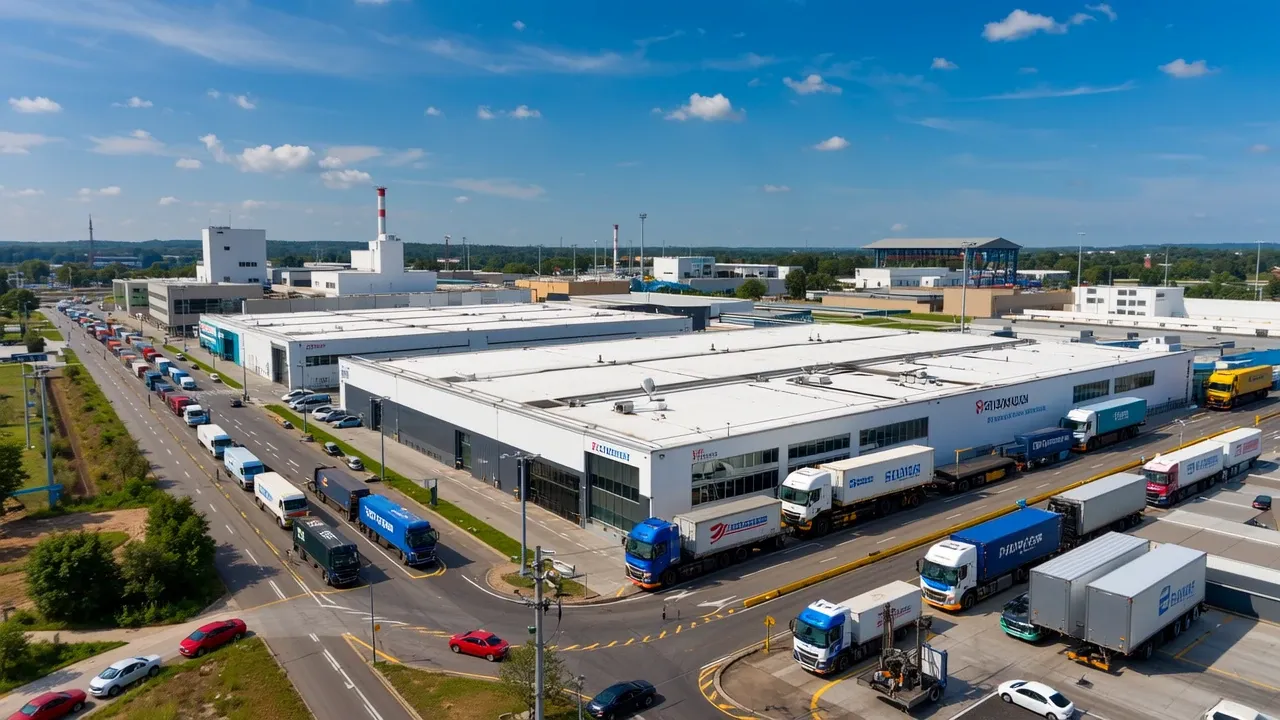
From a logistics and supply chain perspective, an investment of this magnitude necessitates a complete overhaul and optimization of the supporting infrastructure. The movement of highly sensitive, high-value components, specialized tooling, and raw materials into and out of these advanced facilities demands rigorous adherence to international standards for security, environmental control, and transit integrity. The complexity of managing the flow of materials for advanced chip production is a prime example of sophisticated manufacturing logistics. The successful execution of this expansion relies heavily on robust production logistics to ensure that the flow of goods meets the stringent demands of semiconductor fabrication.
This investment aligns with global efforts to secure critical technology supply chains. As geopolitical dynamics continue to influence sourcing strategies, companies like Intel are strategically positioning production capacity in various international hubs. The logistical requirements shift from simple component movement to managing highly complex, multi-stage material flows, often requiring specialized handling for materials handling equipment and precise scheduling to support Just-In-Time Manufacturing environments. For industry observers, this signals increased demand for specialized 3PL capabilities capable of handling high-tech, low-volume, high-value cargo.
Further analysis of global semiconductor trends can be found through reports from industry analysts such as Gartner. The scale of this investment suggests long-term operational commitments, requiring logistics partners to plan for sustained, high-volume throughput. The operational success of these fabs depends not only on the technology itself but on the flawless execution of the physical movement of goods, from raw silicon wafers to finished AI processors. For more context on global trade flows, data from the U.S. Trade Representative (USTR) provides valuable insights into international trade patterns USTR Trade Data. This expansion, detailed in reports such as the one from Supply Chain 247 here, highlights the intersection of capital expenditure and operational logistics.
Explore More Articles
Operational Implications for Global Freight Networks
The integration of new equipment and upgraded fabs requires a significant ramp-up in the efficiency of the entire supply chain ecosystem. The introduction of new production lines means that the requirements for inbound raw materials and outbound finished goods will change dynamically. Effective management of this transition requires advanced planning, often involving Logistics Business Process Reengineering to adapt existing workflows to the new operational scale.
Consider the movement of specialized tooling. These items are often custom, extremely sensitive, and require specialized transport modes and handling protocols. The management of such assets, whether they are owned by the manufacturer or third parties, falls under the purview of managing Shipper Owned Equipment. The precision required in scheduling these movements is paramount to maintaining the high utilization rates expected from these multi-billion dollar assets.
Furthermore, the focus on AI processors implies a demand for extremely high-specification packaging and handling throughout the chain. Any disruption in the flow, such as delays in customs clearance or inadequate temperature control during transit, can result in substantial financial losses due to the value density of the cargo. This necessitates a deep dive into optimizing the entire process, potentially utilizing techniques like Supply Chain Process Mining to identify and eliminate bottlenecks before they impact production schedules.
The regulatory environment also plays a critical role. International movement of advanced technology components is subject to strict export controls and customs procedures. Compliance with these regulations, often managed through systems like the ACE Entry Filing Process, is non-negotiable for maintaining operational continuity. As the industry evolves, logistics providers must evolve their capabilities to support this level of technological sophistication, moving beyond simple transportation to become integrated operational partners.

Loading comments...