Panama Canal Drought: How Water Scarcity is Reshaping Global Trade Logistics

Sarah Williams
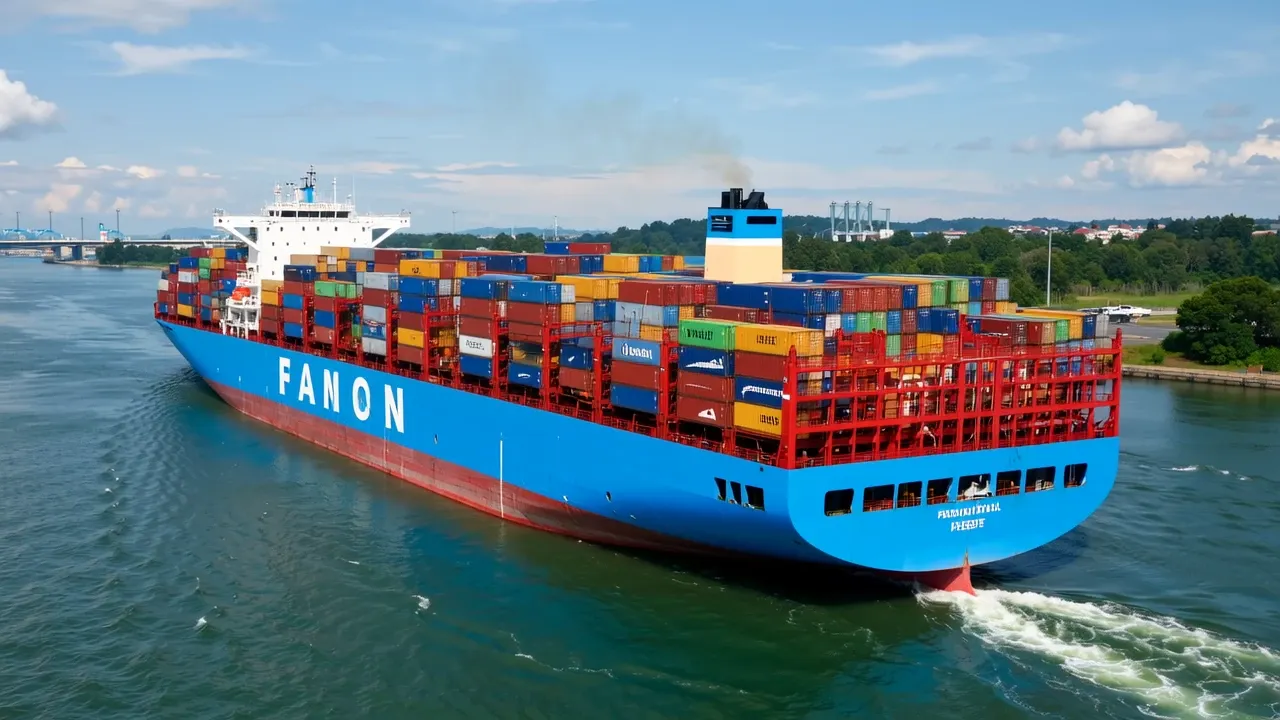
The Water Crisis at the World's Most Vital Chokepoint
For over a century, the Panama Canal has served as an indispensable conduit, dramatically reducing maritime travel times and costs by linking the Atlantic and Pacific Oceans. This strategic waterway is a cornerstone of global trade, facilitating commerce between major continents and supporting vast international supply chains [Source: en.wikipedia.org]. However, the canal is currently confronting a severe operational threat: recurring drought exacerbated by climate patterns such as El Niño. This risk is no longer a distant forecast; it is an active operational reality that forces the Canal Authority to implement rigorous water-saving measures, fundamentally altering shipping patterns and freight economics.
In recent years, the cyclical threat of El Niño has demonstrated its severe impact. During the 2023-2024 cycle, Panama experienced a drought that forced the Canal Authority to impose significant restrictions on vessel passage, triggering long waiting times and forcing rerouting around the Cape of Good Hope for some operators [Source: gcaptain.com]. These challenges underscore the fragility of this critical artery when faced with hydrological instability.
Operational Measures Under Climate Stress
The Canal has responded with operational foresight. In response to hydrological conditions, measures like simultaneous lockages have been activated to optimize the use of every available gallon of water [Source: pancanal.com]. These tactical adjustments allow the waterway to maintain some level of stability while managing decreased freshwater input from sources like Gatún Lake [Source: pancanal.com].
Global Ripples: From Canal Transit to Consumer Cost
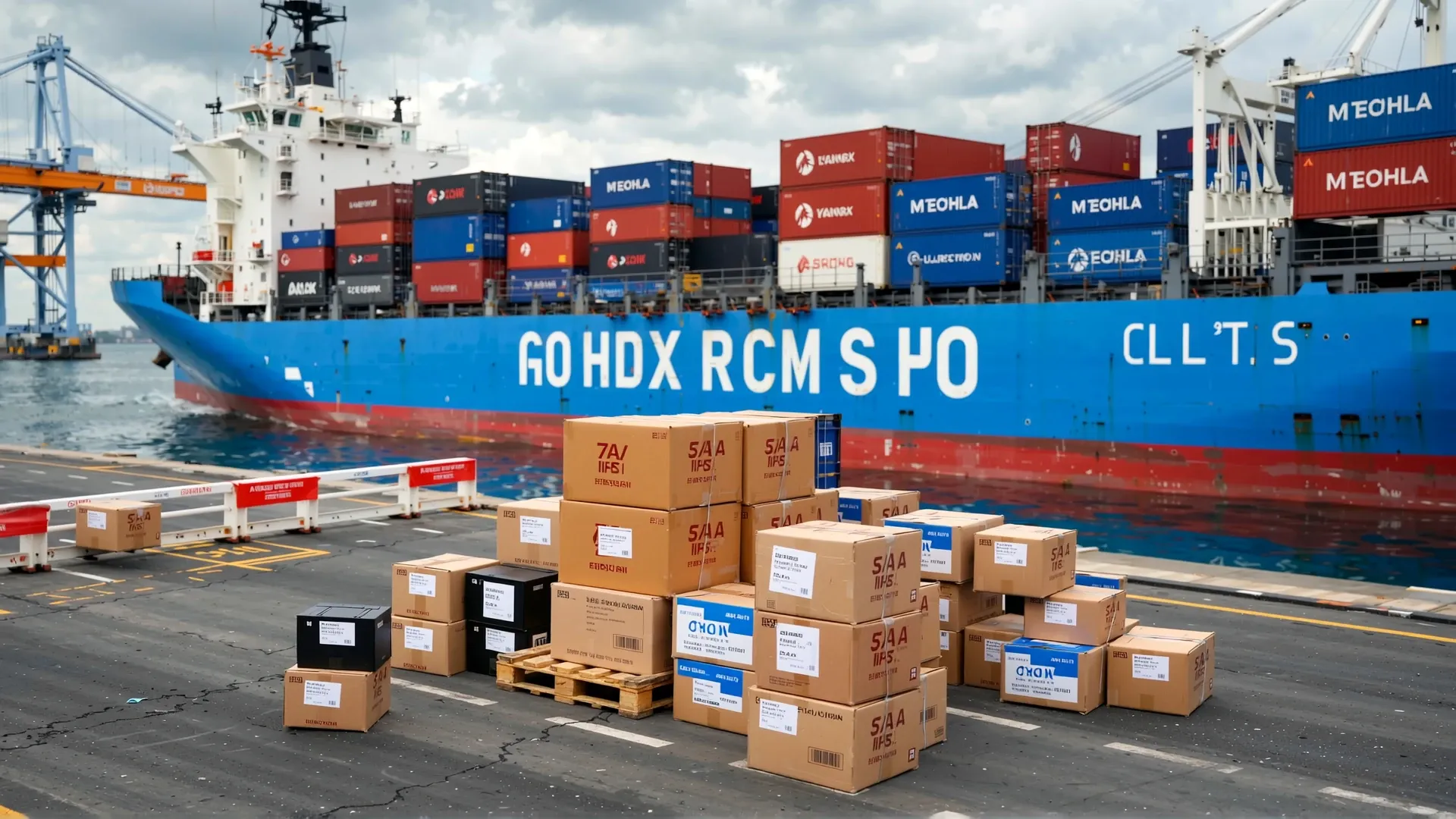
When transit conditions deteriorate, the economic impact cascades globally. Transit delays and increased operational complexity drive up global freight costs, which are ultimately passed down to consumers worldwide. Furthermore, the strategic importance of the canal means that disruptions here can immediately influence fuel prices and broader market confidence in global supply chains [Source: washingtoninsider.us]. The world watches, not just the passage time, but the stability of the entire system itself.
Explore More Articles
Navigating the Future: Drought Mitigation vs. Geopolitical Shifts
The challenge facing the Panama Canal is dual-pronged: managing immediate environmental risk while developing long-term, structural resilience against a changing climate. While operational measures are effective in the short term, long-term sustainability hinges on ambitious infrastructure projects, such as the Río Indio Project, which aims to bolster the water supply [Source: pancanal.com]. Scientific modeling also tracks the sensitivity of the canal’s main reservoir, Gatún Lake, to seasonal variability, noting that low water levels typically coincide with the end of the dry season [Source: agupubs.onlinelibrary.wiley.com].
The Trade-Off: Capacity vs. Climate
Despite technological advancements, the canal must constantly balance its immense volume against dwindling natural resources. Although recent analyses suggest the canal can operate at full water capacity at times, transits have still fallen below historical pre-drought averages [Source: mykn.kuehne-nagel.com]. As El Niño looms, the maritime industry is keenly aware that even minor capacity reductions can trigger massive congestion, as seen when combined with other global disruptions like the Hormuz Strait crisis [Source: gcaptain.com]. The trade lane is a vital hub not only for consumer goods but also for significant energy exports, making it a high-stakes geopolitical point of failure.
Alternatives and Technological Horizons
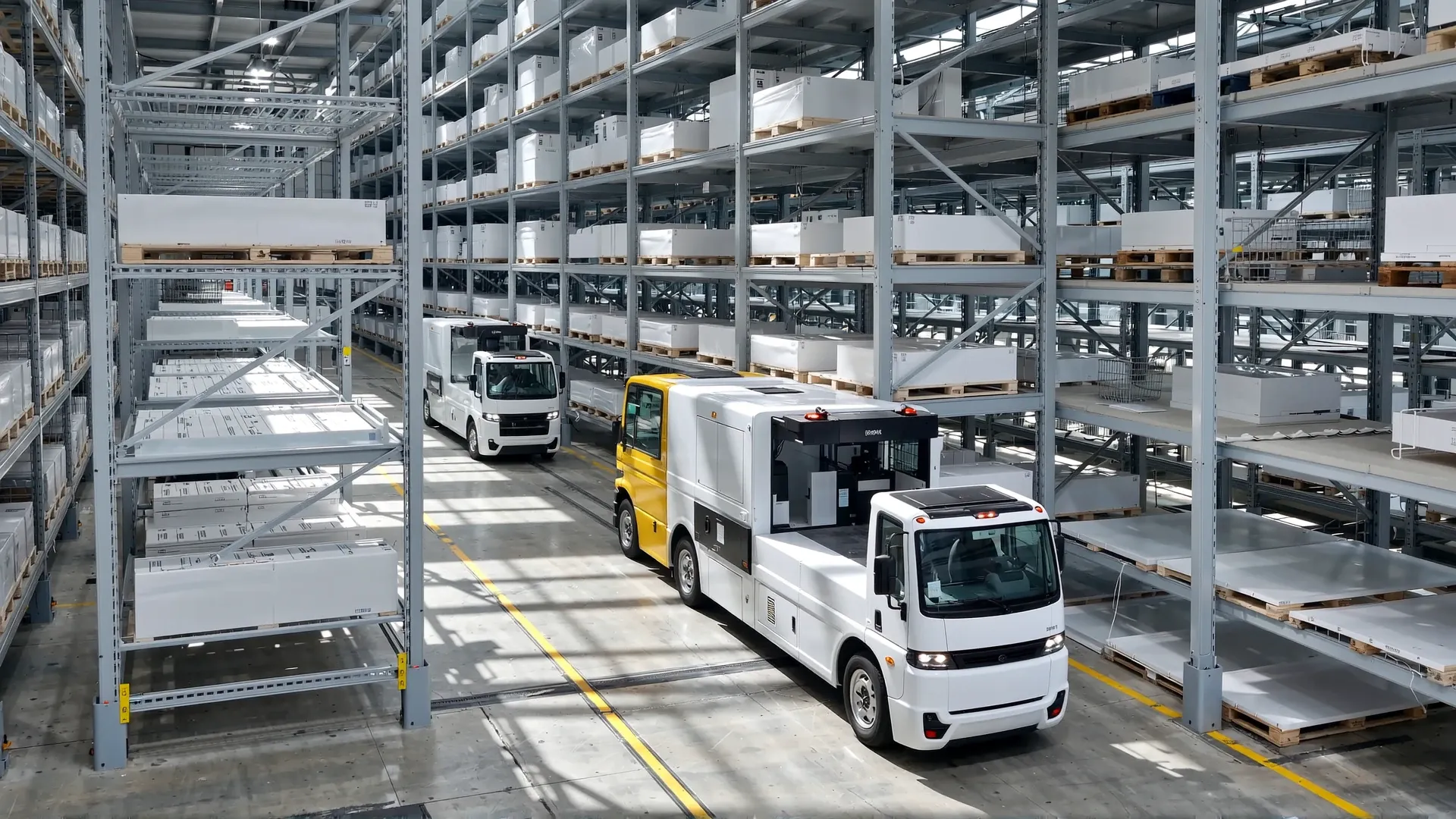
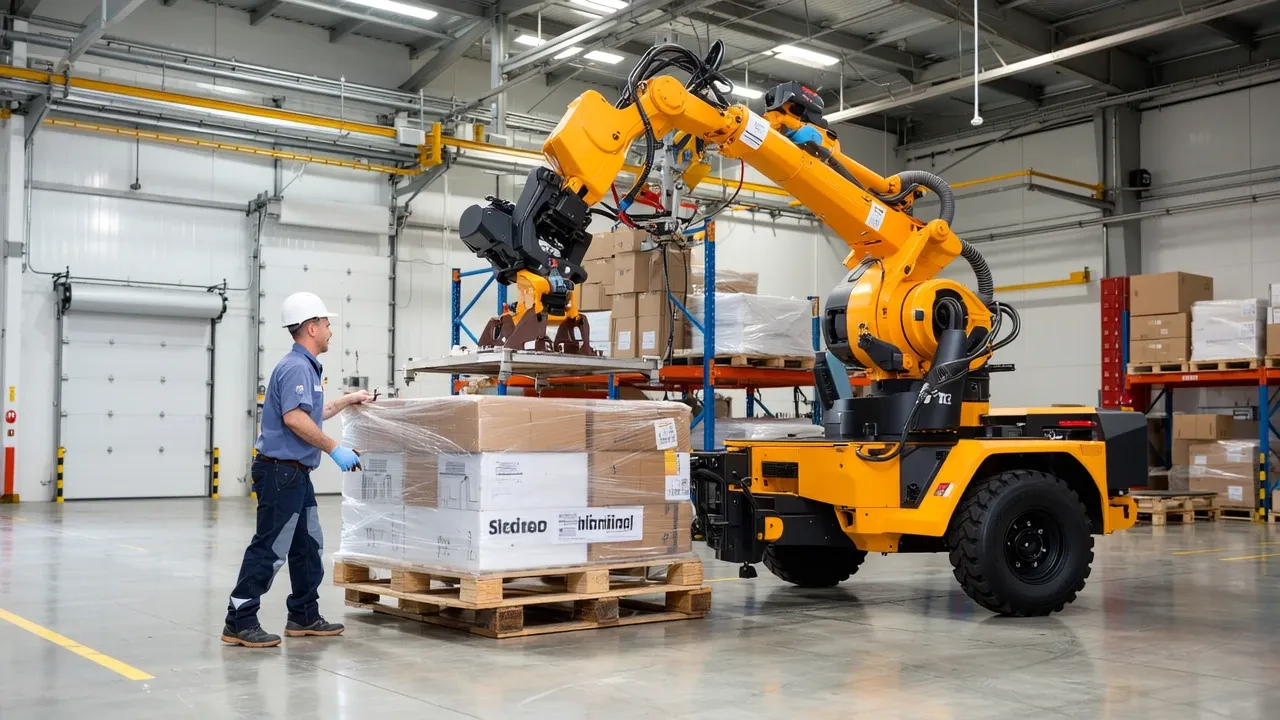
The discourse around the canal's vulnerability has spurred attention on alternatives. Some external discussions have examined competing routes, with proponents suggesting massive projects could shift trade reliance away from the traditional chokepoint [Source: www.youtube.com]. Concurrently, technological innovation within the logistics sector itself is evolving. Modern warehousing relies heavily on 'digital twins' and AI-driven slotting to maximize the efficiency of fixed space, a practice that mirrors the need for operational optimization in the canal system itself [Source: warehouse-slotting-automation-playbook-2026-the-strategy-shift-from-robots-to-digital-twin]. This mirrors the industry-wide trend: when a physical bottleneck appears, the focus shifts to optimizing every process leading up to and following that bottleneck.
Operational Takeaway
For operators, the lesson is clear: risk assessment must be holistic. Planning must move beyond simple transit slot availability to integrate long-range climate forecasting, geopolitical volatility, and the capacity of alternative routing solutions. The canal's future will be defined not just by its locks, but by its ability to integrate predictive environmental science into its core operational strategy.
Loading comments...