Geopolitical Tensions and Global Debt: How Shipping Costs are Surging

Emily Johnson
The Perfect Storm: Geopolitics, Debt, and Freight Costs
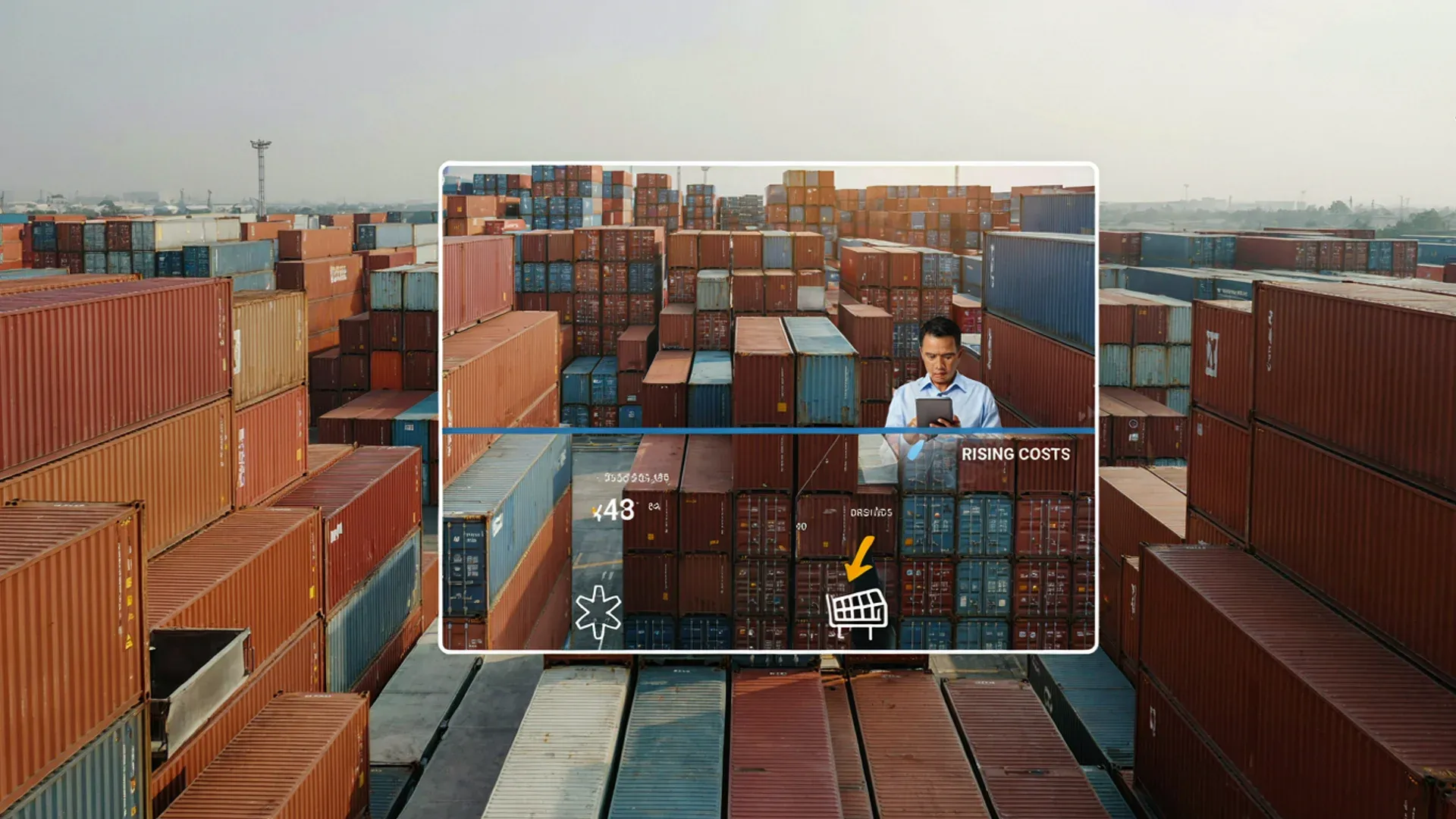
Global logistics are currently navigating a perfect storm where elevated sovereign debt burdens intersect with sharp, geopolitically-driven spikes in maritime shipping costs. Analysts are observing that the rapid escalation in container spot rates is not merely a cyclical fluctuation but a direct reflection of systemic risks across energy, trade, and finance [Deloitte Insights]. Reports highlight that disruptions, such as those related to the Red Sea and Strait of Hormuz, compel shipping lines to reroute vessels around Africa via the Cape of Good Hope. This diversion adds significantly to transit times and dramatically inflates operational expenditures, driving up the cost of moving goods worldwide [Safety4Sea].
This freight inflation is occurring against a backdrop of mounting national debt globally. The sheer scale of public borrowing in many advanced economies, coupled with emerging market debt vulnerabilities, creates inherent fragilities in the global financial architecture [Wikipedia]. When energy prices spike due to geopolitical risk—which acts as a global tax on growth—it compounds the pressure on indebted nations, making them less resilient to supply chain shocks [The Manila Times]. The interaction is clear: instability abroad drives up the cost of moving goods, while high debt levels in many economies reduce the capacity to absorb those inflationary pressures without risking economic slowdown or crises.
Navigating Maritime Volatility
The immediate operational consequence is a breakdown in predictable cost modeling. Carriers are facing immense pressure, leading to reports of 'price-gouging' on ocean trades as they seek to cover surging bunker and war-risk insurance premiums [The Loadstar]. Furthermore, the risk premium generated by escalating military tensions in key chokepoints, like the Strait of Hormuz, compels carriers to implement surcharges that are passed directly onto shippers.
The Debt-Supply Chain Feedback Loop
From a macroeconomic perspective, persistent high debt levels can hinder a nation's ability to invest in supply chain resilience or absorb unexpected trade shocks. As UNCTAD notes, systemic risks related to energy and trade must be contained through effective policy, especially in developing nations facing high import costs [UNCTAD]. When these costs are driven up by regional conflicts, the debt servicing capacity of nations can erode, creating a negative feedback loop where economic stress in one area accelerates risk in another.
For logistics managers, this translates into a non-trivial operational mandate: risk management must now be viewed through a dual lens—not just logistical delays, but also the underlying macroeconomic fragility of the economies they serve. Understanding the depth of this dual challenge is the first step toward creating a resilient strategy.
Explore More Articles



Operationalizing Resilience in a High-Cost, High-Debt Environment
For any enterprise reliant on global trade, the era of simple, cost-optimized sourcing is over. The sustained pressure from surging shipping rates, fueled by geopolitical risks and systemic financial fragility, demands a pivot toward supply chain resilience as the primary strategic objective. This shift requires moving beyond reacting to spot rate spikes and embedding risk mitigation into the core of procurement strategy. The heightened volatility in carrier pricing means that short-term cost savings gained through opportunistic spot-buying are often illusory, as they rarely account for the hidden costs of delays, increased inventory holding (due to longer lead times), and potential future tariffs or sanctions.
Mitigating Transit Risk and Time Uncertainty
The diversion of vessels around continents due to high-risk zones forces carriers to absorb significant time penalties, which translates directly into financial penalties for the shipper through higher contract rates or expedited fees. Operational teams must partner closely with forwarders to build buffer capacity into planning models. Instead of strictly adhering to lean JIT models, a judicious inventory buffer must now be justified as an insurance premium against geopolitical disruption. Furthermore, monitoring regional policy changes—be it sanctions enforcement or infrastructure bottlenecks tracked by the BEA—is as crucial as tracking vessel schedules.
The Financial Implications of Freight Inflation
When freight rates become highly volatile, the true landed cost of goods becomes unpredictable. High national debt levels can amplify this uncertainty because economic downturns often follow periods of high inflation and unpredictable supply. Companies must stress-test their budgeting against multiple severe scenarios: a scenario where geopolitical risk causes a 50% spike in fuel costs, or a scenario where debt crises trigger global demand contraction. Proactive hedging strategies, perhaps through long-term contracts where possible, or utilizing nearshoring/friend-shoring to reduce the number of complex, long-haul international legs, becomes an economic necessity, not just a preference.
Operational Flexibility as the Ultimate Defense
As maritime gateway reports suggest, the best defense in this chaotic environment is 'operational flexibility.' This means diversifying routes, vetting carriers based not only on their current spot rates but on their financial conservatism and operational redundancy, and maintaining strong relationships with diversified 3PL partners. The modern logistics operator must act as a macro-risk analyst for their goods. The forward-looking takeaway is that enduring the current environment requires treating supply chain continuity as a strategic competitive advantage, justifying necessary investments in superior visibility tools and agile network design, rather than viewing freight as a mere variable cost to be minimized.



Loading comments...