Urban Waterways Transform Freight Delivery and Reduce Congestion

Sarah Williams

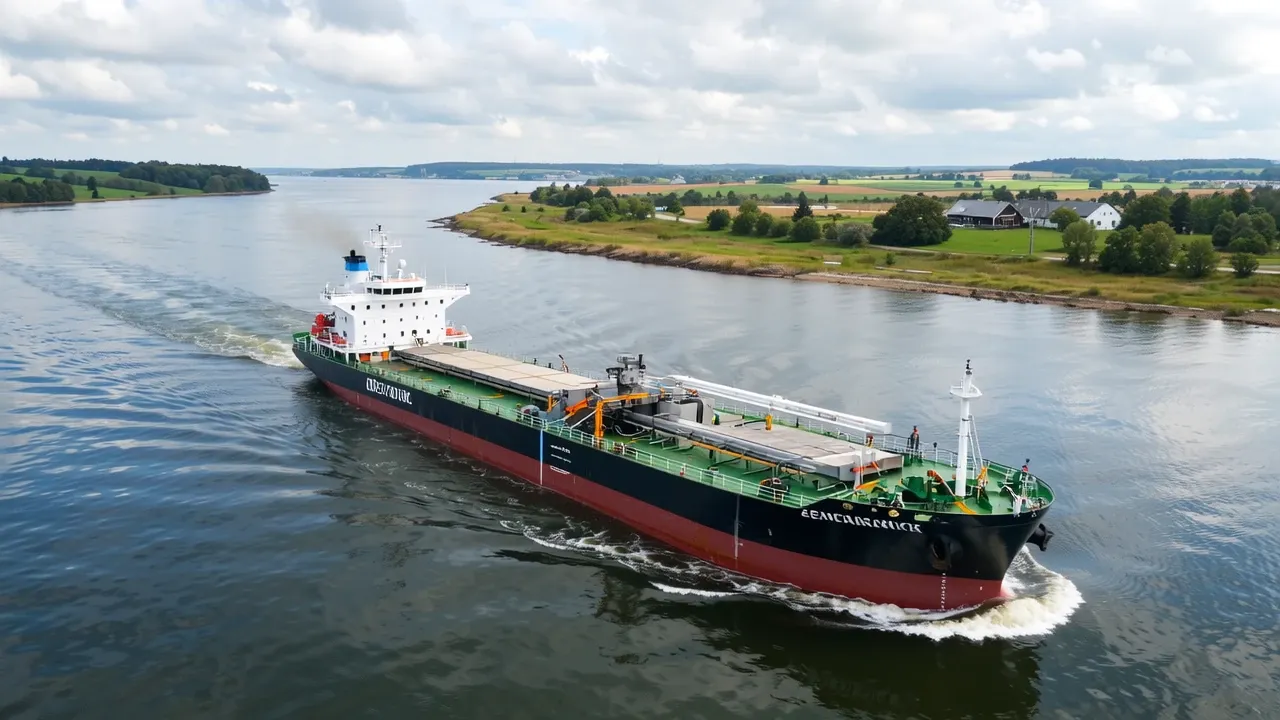
Urban freight has long been a source of congestion and emissions for major metropolitan centers, yet a recent pilot demonstrates how cities can reimagine logistics by leveraging existing waterways. By shifting a portion of last‑mile deliveries from trucks to ferries and electric cargo bikes, a leading transportation authority has created a new freight corridor that cuts truck miles, reduces congestion, and offers a cleaner delivery option for consumers.
The pilot activates a marine freight route that links a Manhattan pier with a Brooklyn terminal, forming part of a broader blue‑highways initiative. Goods are ferried across the harbor and then transferred to electric cargo bikes for final delivery between 23rd and 70th Streets. This approach illustrates how multimodal integration can create a more resilient supply chain that is less dependent on congested roadways.
City leaders describe waterways as the new highways of the 21st century. By moving freight onto water and deploying sustainable final‑mile vehicles, the city aims to protect streets, improve air quality, and enhance delivery reliability. The initiative represents a shift from a 20th‑century freight system to one that embraces technology, data, and environmental stewardship.
The pilot is expected to move 300‑400 parcels per day at launch, encompassing cosmetics, fashion items, lifestyle goods, and small household products. As the program progresses, the authority plans to scale volumes while rigorously tracking metrics such as capacity utilization and truck miles avoided. These data will provide a clear benchmark for the impact of water‑based freight on urban logistics.
Explore More Articles


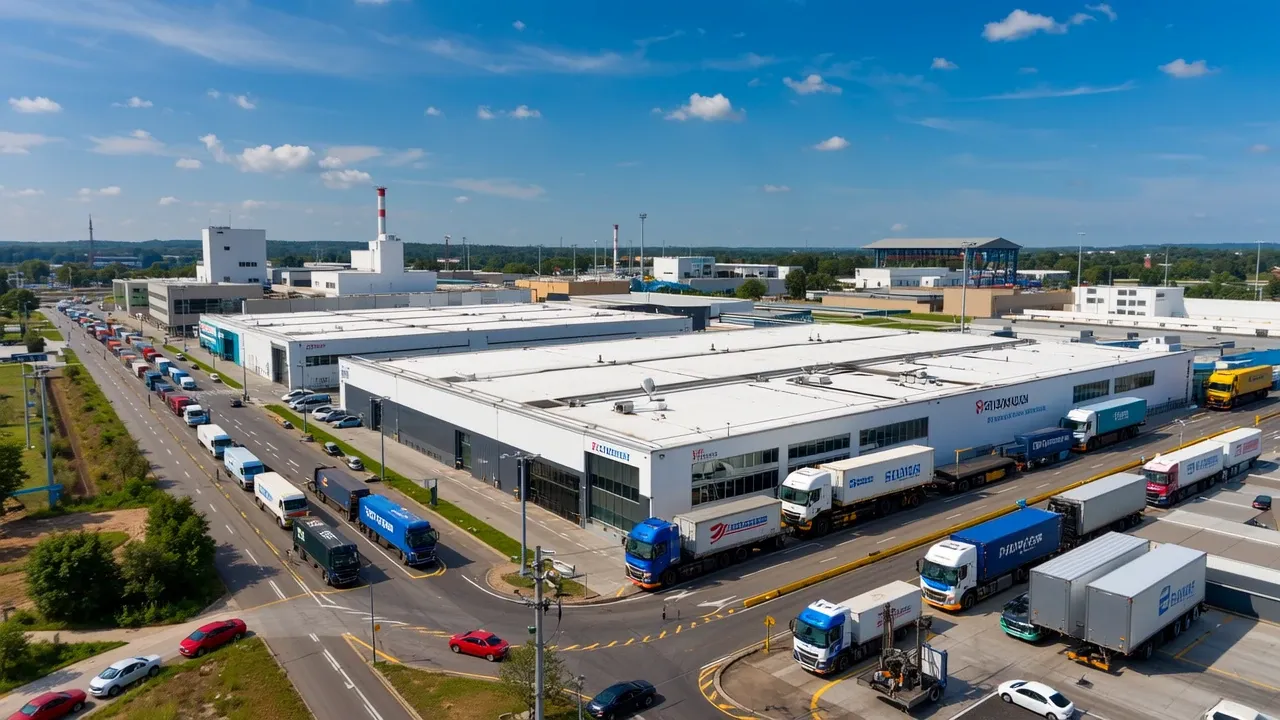
Currently, nearly 90% of goods entering and traversing the city travel by truck, creating bottlenecks at key choke points and contributing to pollution in densely populated neighborhoods. The water‑based model offers a tangible way to reduce truck traffic, enhance supply chain resilience, and tap into the city’s historical role as a port hub.
Beyond the immediate operational benefits, the pilot underscores the strategic value of multimodal networks. By integrating maritime transport with electric last‑mile solutions, companies can achieve greater flexibility, lower emissions, and improved service levels. The data collected will also enable continuous optimization of routing, load planning, and resource allocation—key elements for leaders seeking to drive efficiency in a complex urban environment.
Looking ahead, the transportation authority is exploring similar water‑based freight corridors at additional piers, with the long‑term goal of establishing a comprehensive network that can absorb the growing volume of online orders without adding pressure to city streets. This expansion signals a broader industry trend toward leveraging underutilized infrastructure to meet evolving logistics demands.
For supply chain executives, the lesson is clear: cities are testing and validating alternative freight pathways that combine technology, sustainability, and data analytics. By adopting a multimodal mindset and investing in robust performance metrics, organizations can not only reduce their environmental footprint but also unlock new efficiencies and resilience in their operations.


Loading comments...