Brunei International Airport
Brunei's primary international gateway, connecting the nation to major Asian and regional destinations.


Overview of the Airport
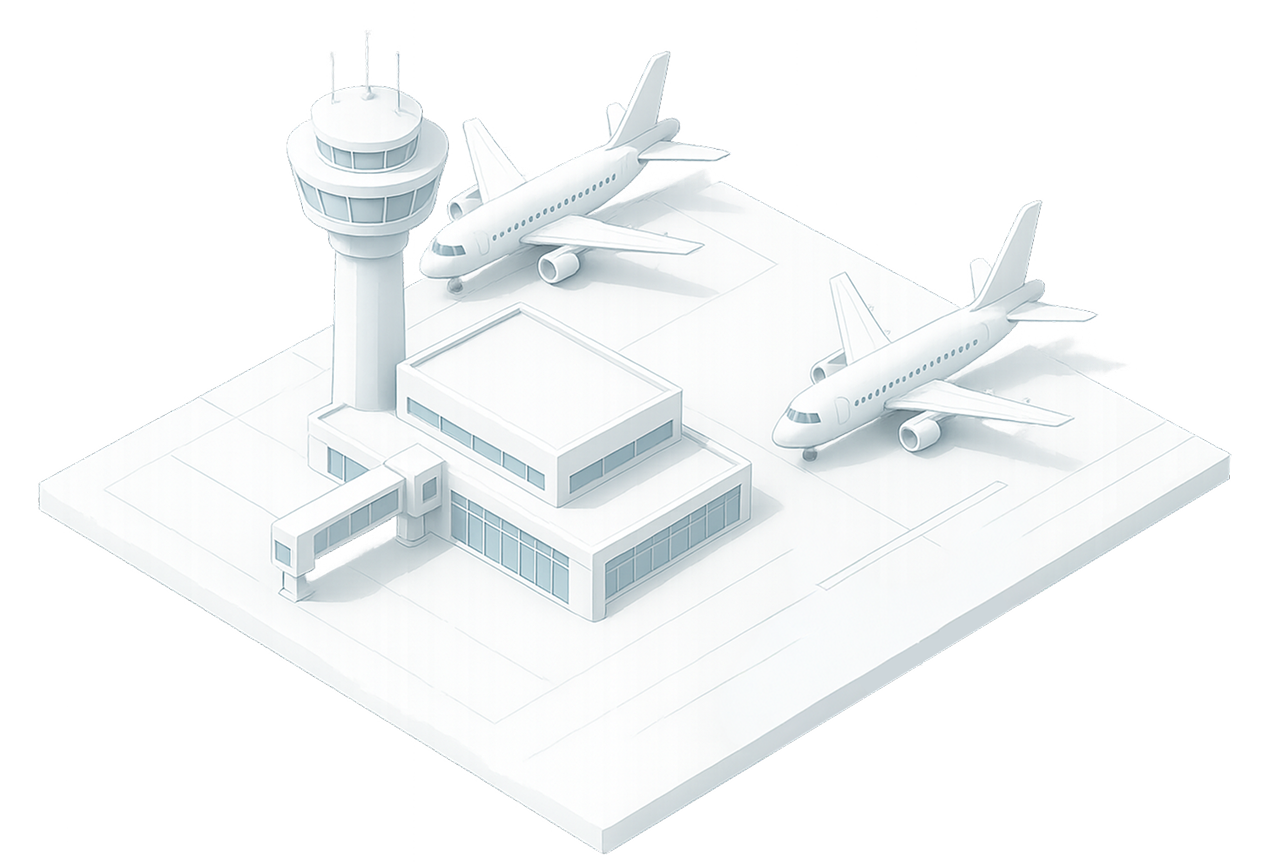
Brunei International Airport (BWN) is located approximately 4 miles north of Bandar Seri Begawan. It serves as the main hub for Royal Brunei Airlines and is the country's only international airport, handling both passenger and cargo operations.
4.9442, 114.9284
Growth Trend
Passenger traffic increased by over 1,078% from 2021 to 2022, reflecting post-pandemic recovery[1][3].

Employment
2,500
Staff include airline employees, ground handlers, security, customs, and airport operations personnel.

Global Ranking
Market Share of Major Airlines
Capacity Expansion
The airport can handle up to 3 million passengers and 50,000 tons of cargo annually, with ongoing upgrades to enhance terminal efficiency[4].

Technological Advancements
Recent upgrades include advanced baggage handling, digital check-in kiosks, and enhanced security screening systems.
Sustainability Initiatives
Brunei International Airport implements energy-efficient lighting, waste reduction programs, and supports ICAO emissions reduction goals[6].

Latest News & Updates
Recent developments and updates for Brunei International Airport.
Brunei eases business processes to attract investors
The government of Brunei has implemented an electronic gate system at Brunei International Airport to streamline entry and exit procedures for investors.
Royal Brunei Airline Flights - Instagram
A passenger shared their business class experience flying into Bandar Seri Begawan via Brunei International Airport on Royal Brunei Airlines, highlighting the airline's ability to quietly overdeliver.
RB News | Flight Information
Royal Brunei Airlines provides the latest flight information, including announcements, guidelines, and updates, through its RB News section.

Operations Logistics & Timelines
Step-by-step process transit times for passengers and cargo.
For Clients
Passenger process times from arrival to gate.
- Arrival & Baggage Claim10-20 mins
- Check-in5-15 mins
- Security Screening15-30 mins
- Immigration10-20 mins
- Customs5-10 mins
- Arrival at Gate5-10 mins
For Employees
Cargo handling deadlines and operational procedures.
- General Cargo Cut-off60 mins pre-departure
- Cargo Arrival & VerificationUpon Arrival
- Customs ClearanceAs per Customs Regulations
- X-Ray ScreeningFollowing Customs
- Uplift to TerminalVia Airport Transport Services
- Sorting & ConsolidationBased on Destination
- Loading onto AircraftPrior to Departure
Passengers' Tips & Tricks
- 1
Arrive Early
Due to potential customs and immigration processing, especially during peak season, it’s advisable to arrive at least 2-3 hours before your international flight departure. This allows for any unforeseen delays.
- 2
Currency Exchange
The airport offers currency exchange services, but rates may not be the most competitive. Consider exchanging some currency before your trip or using ATMs upon arrival for better rates.
- 3
Wi-Fi Access
Free Wi-Fi is available throughout the airport. However, connections can sometimes be unreliable, so it's recommended to download any necessary apps or documents beforehand.
- 4
Luggage Storage
If you require temporary luggage storage, the airport provides this service. Check with the customer service desk for details on fees and limitations.
- 5
Royal Brunei Airlines Services
Royal Brunei Airlines provides assistance with baggage handling and flight information. Familiarize yourself with their website or app for real-time flight updates and gate changes.
Cargo Tips & Tricks
- 1
Book in Advance
Air freight capacity within the ASEAN region, particularly to and from Brunei International Airport (BWN), can fluctuate. Booking your cargo shipment well in advance ensures availability and often secures more favorable rates.
- 2
Utilize BIACC's Cargo Terminal
Leverage the Brunei International Airport Cargo Centre (BIACC) terminal for efficient handling and storage solutions. BIACC offers a comprehensive air cargo terminal based at BWN, facilitating seamless logistics.
- 3
Coordinate with Royal Brunei Airlines
Royal Brunei Airlines is the primary carrier at BWN and plays a crucial role in cargo operations. Direct communication with RBCargoTracking for AWB number tracking and adherence to their on-time delivery commitments is vital.
- 4
Ground Handling Expertise Matters
Partner with experienced ground handling companies like Just Aviation to ensure smooth operations at BWN. Their expertise streamlines the process from ramp handling to baggage management.
- 5
Explore Freightnet for Carrier Options
Utilize resources like Freightnet to identify and connect with Air Freight Companies in Brunei Darussalam, broadening your network and facilitating quotes for your freight needs.
Tools & Resources
Essential tools, portals, and resources for clients and partners.
Data & Reports
Official statistics, research reports, and data tracking for Brunei International Airport.
Brunei Airport Statistics - CEIC Data
Provides historical and expert forecasts on airport statistics for Brunei International Airport, including passenger and aircraft movements.
Data Center - ACI World
ACI World's data center provides comprehensive airport and air travel industry data, including passenger and cargo traffic statistics.
Brunei International Airport (BWN) | Key Data & Facilities
Details about Brunei International Airport, highlighting its facilities, connectivity, and sustainability initiatives.
Brunei International Airport Cargo Centre Handles Over 209 Million ...
Reports significant cargo throughput handled by the Brunei International Airport Cargo Centre (BIACC) from 2012 to 2022.
IATA - World Air Transport Statistics (WATS)
A comprehensive database of aviation statistics updated annually, covering metrics related to industry demand, supply, and performance.
Location & Maps
Find Brunei International Airport on popular mapping services.
Interactive Map
Map Legend
Loading Google Maps...
Frequently Asked Questions
Common inquiries about operations and logistics at Brunei International Airport.
What is the process for passenger security screening?
Passengers proceed through standard security screening procedures upon arrival and departure. This includes screening of carry-on baggage and electronic devices, as well as a metal detector check for all individuals.
How is cargo handled at BWN?
Brunei International Airport handles cargo primarily through dedicated freight facilities. Customs clearance and handling of freight shipments are conducted according to international regulations and local procedures.
What transport options are available to/from the airport?
Taxi services, airport shuttle buses, and private car hire are readily available outside the terminal. Pre-booked airport transfers can also be arranged for convenient travel to Bandar Seri Begawan.
For More Info
Third-party resources, government portals, ratings, and more.
