Joshua Mqabuko Nkomo International Airport
Zimbabwe's third largest airport, serving as a key gateway for regional and domestic flights.


Overview of the Airport
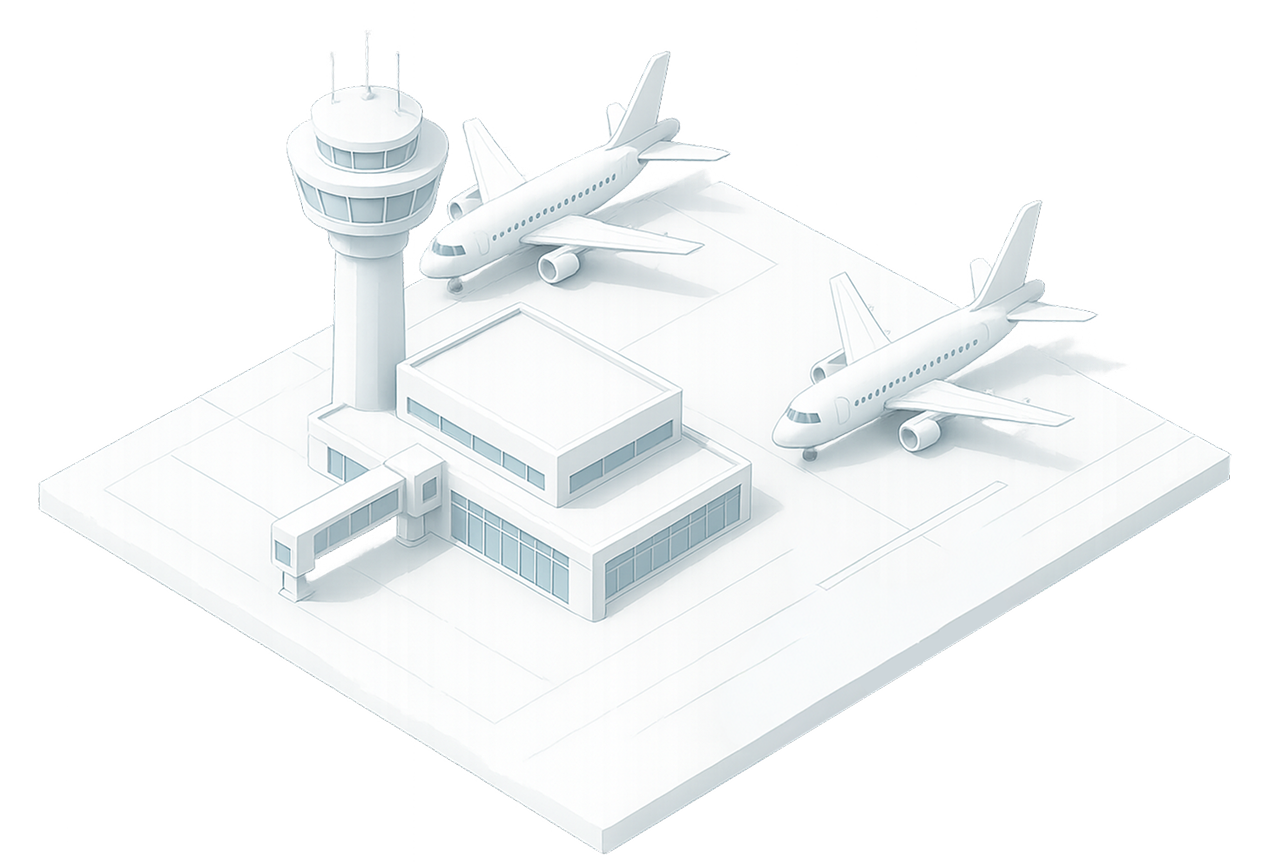
Joshua Mqabuko Nkomo International Airport (BUQ) is located 25 km north of Bulawayo, Zimbabwe's second largest city. The airport serves as a vital link for business, tourism, and cultural events in the region, with access to major heritage sites and festivals.
-20.0174, 28.6179
Growth Trend
Passenger traffic has shown steady recovery post-pandemic, with a 4.2% increase year-over-year.

Employment
1,200
Staff include airline personnel, ground handlers, security, customs, and retail workers.

Global Ranking
Market Share of Major Airlines
Capacity Expansion
The 2013 terminal expansion increased annual passenger capacity to 1.5 million, supporting future growth.

Technological Advancements
Recent upgrades include advanced baggage screening and digital check-in systems for improved efficiency.
Sustainability Initiatives
Solar energy installations and water conservation programs are underway to reduce the airport's environmental footprint.

Latest News & Updates
Recent developments and updates for Joshua Mqabuko Nkomo International Airport.
Joshua Mqabuko Nkomo Airport set for major upgrade
Joshua Mqabuko Nkomo International Airport in Bulawayo is undergoing a modernization programme to boost passenger traffic, strengthen regional connectivity, and position the facility as a competitive international aviation hub.
BUQ • Bulawayo Joshua M. Nkomo International Airport - Arrivals
Stay updated on the airport's situation now and upcoming scheduled arrivals. Track domestic, international and charter flights to Bulawayo Joshua M. Nkomo International Airport (BUQ).
Limpopo Airport - Instagram: Live From J.M.NkomoInt.Airport
Discover the future of travel and trade at Bulawayo’s Joshua Mqabuko Nkomo International Airport! Join our Airport Manager, Ms. Gracious Mathuthu, as she shares Airports Company of Zimbabwe (Private) Limited’s vision for growth.

Operations Logistics & Timelines
Step-by-step process transit times for passengers and cargo.
For Clients
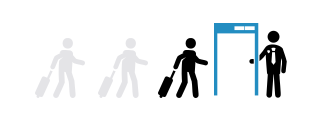
Passenger process times from arrival to gate.
- Arrival & Baggage Claim15-30 mins
- Immigration & Customs20-45 mins
- Ground Transportation to Gate10-20 mins
- Gate Security Screening10-20 mins
- Boarding5-10 mins
For Employees
Cargo handling deadlines and operational procedures.
- General Cargo Cut-off60 mins pre-departure
- Cargo ArrivalAt least 2 hours pre-departure
- Security ScreeningPrior to check-in
- Baggage Drop-offAs per airline guidelines
- Weighing and MeasurementAccurate measurements taken
- Documentation VerificationEnsure all documents are complete and correct
- Loading onto AircraftCompleted according to airline and airport procedures
Passengers' Tips & Tricks
- 1
Arrive Early
Due to potential delays and immigration processing, it is highly recommended to arrive at Joshua Mqabuko Nkomo International Airport (BUQ) at least 3 hours before your scheduled departure, especially during peak travel times.
- 2
Check Baggage Allowance
Confirm your airline's baggage allowance regulations prior to travel to avoid unexpected fees at the airport. Zimbabwe's customs regulations should also be reviewed.
- 3
Currency Exchange
While some vendors may accept US dollars, it's advisable to exchange currency at the airport or a reputable bank in Bulawayo upon arrival for easier transactions.
- 4
Transportation Options
Several transportation options are available from the airport, including taxi services, shuttle buses, and car rentals. Pre-booking a transfer is recommended to ensure availability.
- 5
Terminal Familiarization
The new terminal opened in 2013 and has a capacity to handle 1.5 million passengers per annum. Familiarize yourself with the terminal layout and locate key facilities such as check-in counters, baggage claim, and departure gates before your flight.
Cargo Tips & Tricks
- 1
Book in Advance
Air freight capacity at Joshua Mqabuko Nkomo International Airport (BUQ) can be limited, particularly during peak seasons. Booking your cargo shipments well in advance ensures availability and allows for better scheduling of ground handling and customs clearance.
- 2
Utilize Flight Support Services
Given the airport’s focus on flight support, leveraging services like those provided by Just Aviation can streamline your operations. This includes coordinating ground handling services and securing crucial overflight landing permits at BUQ.
- 3
Understand Local Regulations and Permits
Navigating customs and immigration procedures at Joshua Mqabuko Nkomo International Airport (BUQ) requires thorough understanding of Zimbabwean regulations and securing all necessary overflight and landing permits proactively. Coordinate with local authorities for efficient processing.
- 4
Plan for Ground Handling Logistics
Due to the airport's relatively smaller size compared to major international hubs, ground handling operations at BUQ can be less automated. Factor in potential delays and coordinate closely with ground handling agents for efficient aircraft parking and cargo handling.
- 5
Consider Regional Connectivity
Joshua Mqabuko Nkomo International Airport (BUQ) primarily serves domestic and international flights supporting tourism, business travel, and cargo transportation. Carefully assess regional connectivity and potential transfer points to optimize your shipping routes.
Tools & Resources
Essential tools, portals, and resources for clients and partners.
Data & Reports
Official statistics, research reports, and data tracking for Joshua Mqabuko Nkomo International Airport.
CAPA Airport Profile - Bulawayo Joshua Mqabuko Nkomo Airport
A detailed profile of the airport from CAPA, including data, news, and analysis.
Bulawayo Joshua Mqabuko Nkomo Airport - UniSCO
Information about the airport's location, purpose, and connections to regional events and sites from UniSCO.
Airhex - Joshua Mqabuko Nkomo International Airport (BUQ)
Data and API access to airport information provided by Airhex, including codes, coordinates, and city enrichment.
Joshua Mqabuko Nkomo International Airport - ACZ.co.zw
Official information about the airport's renaming and location from ACZ.co.zw.
Joshua Mqabuko Nkomo International Airport - Wikipedia
Wikipedia entry detailing airport facilities and terminal opening date.
Location & Maps
Find Joshua Mqabuko Nkomo International Airport on popular mapping services.
Interactive Map
Map Legend
Loading Google Maps...
Frequently Asked Questions
Common inquiries about operations and logistics at Joshua Mqabuko Nkomo International Airport.
What is the process for passenger check-in?
Passengers typically proceed to their airline's designated check-in counters. After scanning their passports and boarding passes, they will receive their baggage tags and be directed to security screening.
How does cargo handling operate at BUQ?
Cargo operations at BUQ involve the receipt, storage, and dispatch of goods. Specialized handling equipment is used to ensure secure transport of shipments through the terminal and to connecting destinations.
What transport options are available to and from the airport?
Taxis and private car services operate from designated pick-up points. Local buses also provide access to key areas of Bulawayo, and ride-hailing services are available for convenient travel.
For More Info
Third-party resources, government portals, ratings, and more.
