Mykonos Island National Airport
A premier gateway to the Cyclades, serving as a key hub for international tourism to Mykonos.


Overview of the Airport
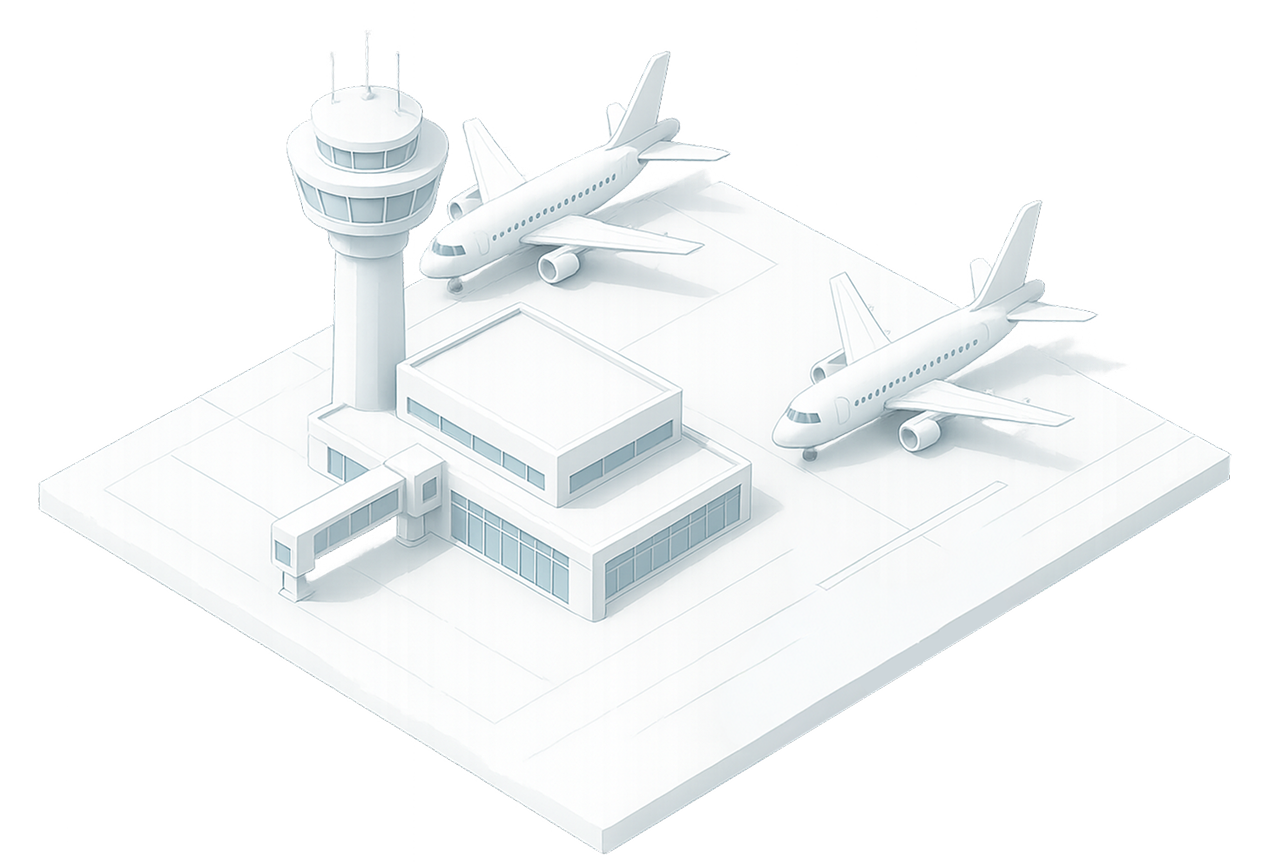
Mykonos Island National Airport (JMK) is located 3.5 km southeast of Mykonos town. It serves as the main entry point for both domestic and international travelers to the island, especially during the peak summer season. The airport is vital for supporting the island’s tourism-driven economy.
37.4351, 25.3481
Growth Trend
Passenger traffic decreased by 5.1% year-over-year in 2024, reflecting a drop in international arrivals.

Employment
1,200
Staff includes airline personnel, ground handlers, security, retail, and airport operations teams.

Global Ranking
Market Share of Major Airlines
Capacity Expansion
Recent terminal expansions and apron upgrades have increased peak season passenger and aircraft handling capacity.

Technological Advancements
Deployment of self-service check-in kiosks and enhanced security screening systems streamline passenger flow.
Sustainability Initiatives
Implementation of energy-efficient lighting and waste management programs supports environmental goals.

Latest News & Updates
Recent developments and updates for Mykonos Island National Airport.
Flights delayed at Mykonos Airport due to runway repairs
Several flights arriving and departing from Mykonos Island National Airport (JMK) were delayed on Tuesday due to ongoing runway repairs. Airport officials reported that the delays were necessary to ensure the safety of passengers and aircraft.
Mykonos Airport deals with overcrowding amid peak season
Mykonos Island National Airport (JMK) is experiencing significant overcrowding during the peak tourist season, leading to longer security lines and delays. Authorities are working to improve efficiency and manage passenger flow to minimize disruptions.
Mykonos Airport runway to reopen after repairs
The runway at Mykonos Island National Airport (JMK) is set to reopen after extensive repairs that have been ongoing for several weeks. This reopening is expected to significantly reduce flight disruptions and allow for the resumption of normal operations.

Operations Logistics & Timelines
Step-by-step process transit times for passengers and cargo.
For Clients
Passenger process times from arrival to gate.
- Arrival at Mykonos Island National Airport (JMK)N/A
- Immigration & Customs30-60 mins
- Baggage Claim15-30 mins
- Ground Transportation to City Center15-45 mins
- Terminal to Hotel (Private Transfer)20-50 mins
- Terminal to Hotel (Public Bus)45-75 mins
For Employees
Cargo handling deadlines and operational procedures.
- General Cargo Cut-off - International90 minutes pre-departure
- General Cargo Cut-off - Domestic60 minutes pre-departure
- Hand Baggage Cut-off - International30 minutes pre-departure
- Hand Baggage Cut-off - Domestic15 minutes pre-departure
- Dangerous Goods Submission Deadline72 hours pre-departure
- Vehicle Cargo Cut-offVaries - Contact Operations
- Live Animal Cut-offVaries - Contact Operations
- Flight Manifest ConfirmationContinuous throughout shift
- Security BriefingDaily, prior to shift start
- Equipment ChecksStart of Shift
- JMK Airport Operational HoursVaries - Check with Airport Authority
Passengers' Tips & Tricks
- 1
Utilize the KTEL Bus
The KTEL bus is the most cost-effective way to reach Mykonos Town (Chora) from JMK. It runs frequently (every 20-30 minutes) and costs around €2.50. Check the KTEL Mykonos website for schedules and departure points.
- 2
Pre-book Airport Transfers
Given Mykonos's popularity, especially during peak season, pre-booking a taxi or private transfer is highly recommended. This avoids long queues and ensures a smoother arrival. Several companies offer transfers directly from the airport.
- 3
Be Aware of Taxi Pricing
Taxi fares from JMK to Mykonos Town are metered and can be expensive, especially during busy periods. Agree on a price with the driver *before* starting your journey, or ensure the meter is running. Official taxi stands are located outside the arrivals hall.
- 4
Currency Exchange at the Airport
While ATMs are available in Mykonos Town, exchanging currency at the airport can be convenient for initial expenses. However, be aware of exchange rates and commissions. It's wise to have some Euros on hand.
- 5
Navigating the Arrivals Hall
The arrivals hall is relatively small, but can get crowded. Follow the signs for baggage claim and then proceed to the exits where you’ll find transportation options. Keep your belongings secure.
Cargo Tips & Tricks
- 1
Understand Baggage Allowance Limits
Mykonos Airport (JMK) adheres to standard EU baggage allowance rules for most airlines. However, check with your specific airline for precise limits, as they may have stricter policies. Overweight or oversized baggage incurs hefty fees.
- 2
Consider Airport Size & Potential Delays
JMK is a relatively small airport. This can lead to congestion, especially during peak season (summer). Allow ample time for check-in, baggage handling, and security, and be prepared for potential delays.
- 3
Limited Car Rental Options at the Airport
Car rental agencies are located outside the immediate airport area. Factor in extra travel time and transportation costs (taxis, buses) to collect your rental vehicle. Booking in advance is highly recommended, particularly during peak season.
- 4
Pack Light & Utilize Luggage Storage
Given the potential for delays and limited car rental options, packing light is advisable. If needed, inquire at the airport about luggage storage services, though options may be limited and subject to fees.
- 5
Transportation to/from Mykonos Town
The airport is approximately 3km from Mykonos Town. Taxis are readily available, but can be expensive. Buses provide a more affordable option to the main town, but routes and frequency can be limited, especially in the evenings.
Tools & Resources
Essential tools, portals, and resources for clients and partners.
Data & Reports
Official statistics, research reports, and data tracking for Mykonos Island National Airport.
Mykonos Airport Facts & Figures: StatisticsforMykonosAirport
Statistics covering passenger volumes, total number of flights and number of flights to and from destinations with connections to Mykonos Airport.
Air Traffic statistics | Mykonos Airport (JMK)
Air traffic statistics provided by Mykonos Airport (JMK).
Mykonos Airport (JMK) | Mykonos Island National Info
Updated stats, airlines, facilities, and sustainability initiatives for 2024 related to Mykonos Airport (JMK).
Data Center - ACI World
ACI World’s data center gathers, analyzes, and shares vital airport and air travel industry data including passenger and cargo traffic statistics, aircraft movements, rankings and more.
About Mykonos International Airport (JMK) | Facts & Figures
Digital platform providing deep operational transparency, offering travelers and stakeholders direct access to real-time data on capacity, logistics, and essential services for Mykonos.
Location & Maps
Find Mykonos Island National Airport on popular mapping services.
Interactive Map
Map Legend
Loading Google Maps...
Frequently Asked Questions
Common inquiries about operations and logistics at Mykonos Island National Airport.
What is the passenger process like at Mykonos National Airport (JMK)?
Passengers arriving at JMK typically disembark at Gate 1 and proceed through passport control. After customs, you'll find baggage claim in Gates 2 and 3. There are also several taxi ranks and bus stops outside the terminal. The airport is relatively small, so the process is generally quick, especially during off-peak seasons.
What cargo handling services are available at Mykonos National Airport?
JMK primarily handles smaller cargo operations, mainly focusing on passenger baggage and courier services. Dedicated cargo handling services are limited. Larger cargo shipments typically need to be routed through Athens International Airport (ATH).
What transportation options are available from Mykonos National Airport?
You can reach Mykonos Town and other parts of the island by taxi (available outside the terminal), bus (regular routes operate from the bus stop), or pre-booked private transfer. Rental car services are also available, but availability can be limited, particularly during the peak season.
Does JMK have a dedicated seaplane terminal for private aircraft?
Yes, Mykonos National Airport operates a small seaplane terminal located approximately 1.5 kilometers from the main terminal. It's primarily used for private aircraft and charter flights, offering a convenient alternative to traditional airport transfers, especially for guests staying at the island's luxury resorts.
For More Info
Third-party resources, government portals, ratings, and more.
